
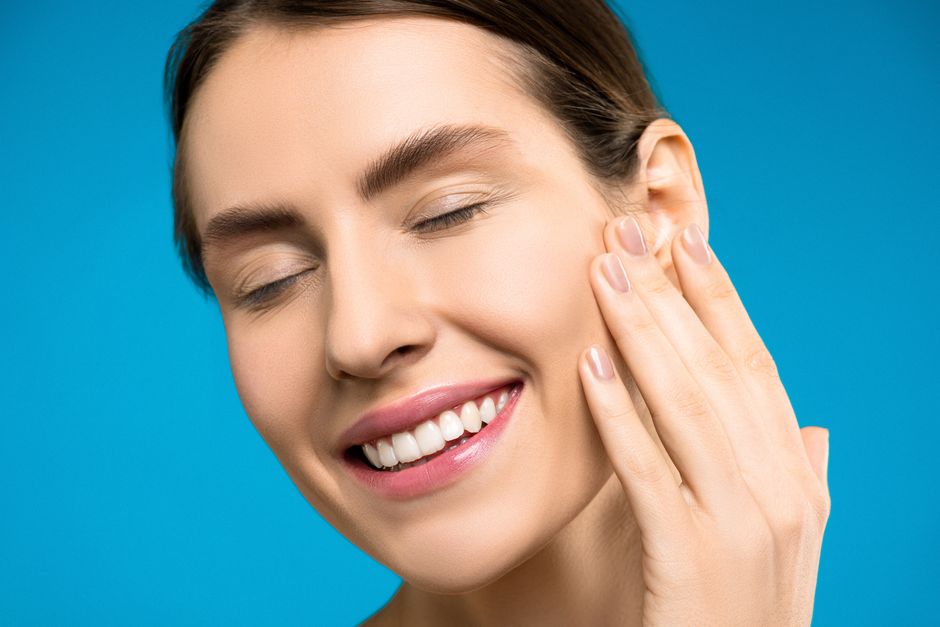
You have probably heard the advice to “put on a happy face” when you are feeling stressed. It sounds simple. But if you are genuinely overwhelmed, forcing a smile can feel fake, exhausting, and even a little ridiculous. So, does the act of smiling actually change your brain chemistry for the better, or does it just add another layer of pressure? The short answer is that smiling can reduce stress for many people, but the effect depends heavily on whether the smile is authentic or forced, and on the specific situation you are in. Research suggests that the physical act of smiling sends signals to your brain that can lower stress, but faking it for too long or in the wrong context can backfire.
What Does the Research Say About Smiling and Stress?
Studies on the link between facial expressions and mood have been around for decades. The core idea is called the facial feedback hypothesis. This theory suggests that your facial expressions do not just reflect your feelings—they can actually influence them. When you contract the muscles to smile, you send a signal to your brain that may trigger a positive emotional response.
Some research has found that participants who held a pen in their mouths to force a smile rated cartoons as funnier than those who did not. Other studies using more controlled methods, like asking people to hold specific facial poses, have shown that smiling can lead to lower heart rates during stressful tasks. A 2012 study published in the journal Psychological Science found that people who smiled during a stressful task had lower heart rates afterward than those who held a neutral expression. The study suggested that smiling—even when forced—can help your body recover from stress more quickly.
However, the evidence is not uniform. Some studies have failed to replicate the strongest claims of the facial feedback hypothesis. The effect appears to be real but modest. Smiling is not a magic switch that turns off your stress response. It is one tool among many.
Why Does Smiling Affect Your Stress Levels?
To understand how smiling might reduce stress, you need to look at the nervous system. Stress activates your sympathetic nervous system—the “fight or flight” response. This raises your heart rate, increases blood pressure, and releases stress hormones like cortisol.
Smiling appears to activate the parasympathetic nervous system, which is responsible for “rest and digest.” This system helps lower your heart rate and promotes a state of calm. When you smile, the brain releases neurotransmitters like dopamine, endorphins, and serotonin. Dopamine increases feelings of pleasure. Endorphins act as natural pain relievers. Serotonin contributes to feelings of well-being.
There is also a social component. When you smile at someone, they are more likely to smile back. This can create a positive feedback loop. Positive social interactions are a well-established buffer against stress. Even a brief exchange with a cashier or a neighbor can shift your mood slightly.
Are There Times When Smiling Makes Stress Worse?
Yes. Context matters. Forcing a smile in a high-stakes situation where you feel genuinely threatened or upset can feel invalidating. If you are in an argument, smiling can be misread as dismissive or insincere. This can escalate conflict and increase your stress.
There is a specific term for the exhaustion that comes from faking emotions for work: emotional labor. Service workers, healthcare professionals, and teachers often have to smile even when they are dealing with difficult people. Research shows that this type of surface acting—changing your outward expression without changing your inner feeling—is linked to higher stress, burnout, and even physical symptoms like headaches.
The difference comes down to authenticity. A genuine smile, called a Duchenne smile, involves the muscles around your eyes as well as your mouth. It is hard to fake a Duchenne smile. Forced smiles often only engage the mouth muscles. When you force a smile without feeling any positive emotion, you are essentially telling your brain one thing while your body is doing another. Over time, this disconnect can be draining.




Does Smiling Reduce Stress Or Make It Worse? The Role of Context
Smiling is not universally helpful. It depends on what kind of smile it is and why you are doing it.
If you are using a smile as a coping mechanism to get through a mildly unpleasant task—like sitting in a waiting room or giving a presentation you are nervous about—it can help. The physical act may nudge your mood in a more positive direction.
If you are smiling to mask deep distress or to comply with social pressure when you feel unsafe or disrespected, it can make things worse. Suppressing genuine emotions is associated with poorer psychological outcomes. You are not addressing the source of your stress. You are just hiding the symptoms.
A useful distinction is between a smile that is chosen and one that is required. A chosen smile is an active strategy. A required smile is a form of submission. The former can empower you. The latter can make you feel powerless.
How to Use Smiling to Manage Stress Effectively
If you want to try using smiling as a stress management tool, you should do it strategically. Do not force a wide grin when you are in the middle of a panic attack. That is not the time.
A better approach is to use a subtle, gentle smile during moments of low-to-moderate stress. Think of it as a reminder to your nervous system that you are safe. You can pair it with slow breathing. Exhale for a count of four while holding a soft smile. This combination can be more effective than either action alone.
You should also look for genuine reasons to smile. Think of a funny memory. Look at a photo of a pet. Watch a short video that makes you laugh. Authentic smiles have a stronger effect on your mood than forced ones.
If you are in a customer service role or a job that requires constant smiling, you need strategies to manage the emotional toll. Taking micro-breaks where you can relax your face completely is important. Practicing mindfulness to separate your inner feelings from your outer performance can also help reduce the feeling of being fake.
What About Laughter? Is It Different from Smiling?
Laughter is a more intense version of the same mechanism. Laughter involves more muscle groups and a stronger activation of the respiratory system. Research on laughter suggests it can reduce stress hormones and improve mood. However, laughter is much harder to fake convincingly. Forced laughter can feel awkward.
For stress relief, genuine laughter is more effective than smiling. But you cannot always laugh on command. Smiling is more accessible. You can do it anywhere without drawing attention. This makes it a more practical tool for everyday low-grade stress.
There is some evidence that even simulated laughter—like in laughter yoga—can produce benefits. The theory is that the body does not always distinguish between real and fake laughter. However, the evidence for simulated laughter is less robust than for genuine laughter.
Practical Tips for Testing Smiling as a Stress Tool
If you are unsure whether smiling helps you, you can run a simple experiment on yourself. Next time you feel stressed, try one of these approaches and notice what happens:
- Soften your face. Relax your jaw and forehead first. Then add a slight upward curve to your lips.
- Combine smiling with a slow exhale. Inhale through your nose, then exhale slowly through your mouth while holding the smile.
- Smile at another person and see if they respond. A returned smile can be a powerful social signal.
- Notice your heart rate and tension level before and after. Do not rely on how you think you should feel. Pay attention to what you actually feel.
If smiling makes you feel worse or more self-conscious, stop doing it. There is no evidence that forcing yourself to smile through genuine distress is beneficial. You have other tools for stress management that may work better for you.
When Smiling Is Not Enough
Smiling is a minor tool in stress management. It is not a treatment for anxiety disorders, depression, or chronic stress. If you feel stressed most of the time, or if stress interferes with your sleep, appetite, or relationships, you need more than a facial expression.
Established stress management techniques include regular physical activity, adequate sleep, social connection, and cognitive behavioral strategies. If you are struggling, talking to a mental health professional is a reasonable step. They can help you identify the sources of your stress and develop a plan that addresses them directly.
Smiling can be part of a broader strategy, but it should not be the whole strategy. Think of it as a small adjustment you can make in your day, not a cure for deep-seated problems.
Frequently Asked Questions
Can forcing a smile trick your brain into being happy?
Some research suggests that the physical act of smiling can trigger a mild positive shift in mood through the facial feedback mechanism. The effect is modest and works best with a genuine smile, not a forced grimace.
Why does smiling make me feel worse when I am upset?
Suppressing genuine emotions to force a smile can increase feelings of distress and exhaustion. This is especially common in situations where you feel pressured to appear happy despite feeling upset.
Is smiling a good way to calm down during a panic attack?
No, smiling is generally not recommended during a panic attack because it does not address the intense physical symptoms. Focus on slow breathing and grounding techniques instead.
How long do you need to smile to reduce stress?
There is no established minimum duration for stress relief from smiling. Short, genuine smiles combined with slow breathing may be more effective than holding a forced smile for a long period.
