
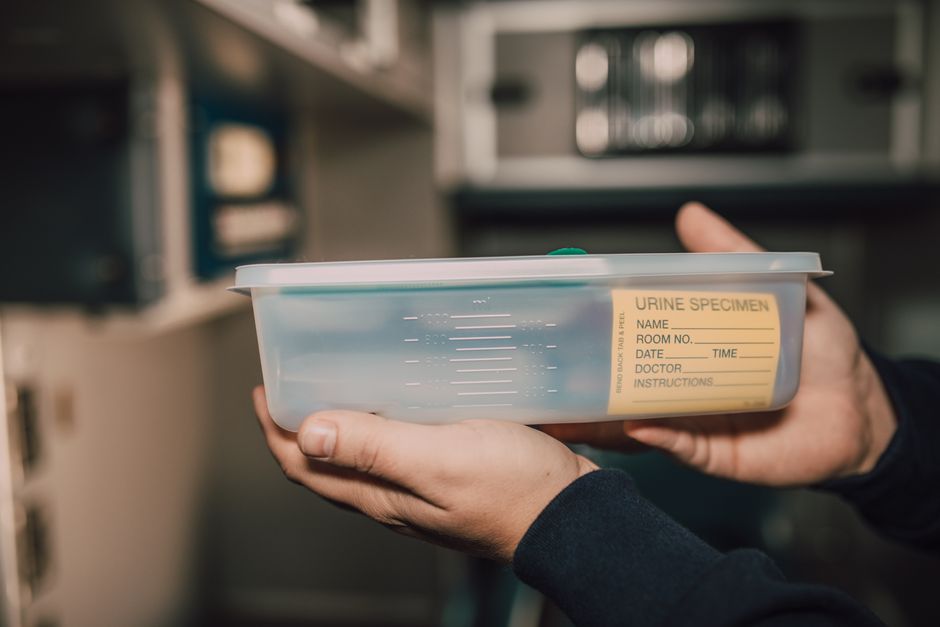
Your doctor says your urine specific gravity is abnormal, and now you want to know what that actually means. Specific gravity of urine measures how concentrated your urine is compared to pure water. It tells your doctor whether your kidneys are balancing water and waste properly. Think of it as a simple test that checks if you are drinking enough fluids or if your kidneys are working correctly.
What Is A Specific Gravity Of Urine Exactly?
Specific gravity of urine is a number that compares the density of your urine to the density of water. Pure water has a specific gravity of 1.000. Your urine will almost always be higher than that because it contains dissolved waste products like salts, urea, and minerals.
A normal reading typically falls between 1.005 and 1.030. The number tells your doctor how well your kidneys are concentrating or diluting your urine. When you are dehydrated, your kidneys conserve water and your urine becomes more concentrated, which raises the specific gravity. When you are well-hydrated, your urine is more diluted and the number drops.
This test is part of a routine urinalysis. It is not a standalone diagnosis for any condition. It gives clues that your doctor uses alongside other tests to understand what is happening in your body.
What Does a Normal Specific Gravity Reading Look Like?
Most healthy people will have a specific gravity between 1.010 and 1.025 on a random sample. The range can shift throughout the day based on what you drink and eat. First morning urine is usually more concentrated, so it tends to be higher than samples taken later in the day.
A reading of 1.000 is essentially water. This is extremely rare unless someone is drinking excessive amounts of fluid or has a medical condition that prevents the kidneys from concentrating urine. A reading above 1.030 suggests very concentrated urine, often from dehydration.
The American Association for Clinical Chemistry states that a normal range is 1.005 to 1.030. Laboratories may have slightly different reference ranges, so always check the specific numbers on your own lab report.
What Causes High Specific Gravity in Urine?
High specific gravity means your urine is more concentrated than normal. The most common cause is simply not drinking enough water. When you are dehydrated, your kidneys hold onto water and your urine becomes denser with waste products.
Other causes include conditions that lead to fluid loss. Vomiting, diarrhea, fever, and excessive sweating all reduce your body’s water supply. Some medical conditions like diabetes mellitus can also raise specific gravity because excess sugar in the urine makes it denser.
Certain medications can affect the reading. Diuretics, which are often called water pills, can change how your kidneys handle water. Contrast dyes used in imaging tests can also temporarily raise specific gravity.
Less common causes include heart failure, liver disease, and kidney conditions that affect the organ’s ability to regulate water properly. A high reading alone does not diagnose any of these conditions, but it prompts your doctor to look closer.
| Specific Gravity Range | What It Typically Suggests |
|---|---|
| 1.000 – 1.005 | Very dilute urine – possible overhydration or kidney issue |
| 1.005 – 1.030 | Normal range for most people |
| 1.030 – 1.035+ | Concentrated urine – often dehydration or other causes |





What Does Low Specific Gravity Mean?
Low specific gravity means your urine is more diluted than normal. The most straightforward reason is drinking a lot of fluids. If you have been hydrating heavily, your kidneys will flush out the excess water and your urine will be less concentrated.
Some medical conditions can also cause persistently low specific gravity. Diabetes insipidus is a rare condition where the kidneys cannot concentrate urine properly. People with this condition produce large amounts of very dilute urine and feel constantly thirsty.
Kidney disease can also impair the organ’s ability to concentrate urine. Conditions like chronic kidney disease or pyelonephritis (a kidney infection) can damage the tiny filters in the kidneys. When those filters do not work well, the kidneys cannot hold onto water the way they should.
A single low reading is usually not concerning if you are well-hydrated. Your doctor will look for a pattern over time. Persistent low readings alongside other symptoms like excessive thirst or frequent urination warrant further investigation.
How Is Specific Gravity Measured and What Affects Accuracy?
Laboratories measure specific gravity in two main ways. The older method uses a tool called a refractometer that measures how light bends through the urine sample. The newer method uses a reagent strip, which changes color based on the concentration of ions in the urine.
Both methods are generally reliable, but they can be thrown off by certain factors. Very alkaline urine, which has a high pH, can give falsely low readings on reagent strips. High levels of protein or glucose in the urine can make the reading appear higher than it actually is.
Temperature matters too. Urine samples that are not tested at room temperature can give inaccurate results. That is one reason labs prefer fresh samples that have not been sitting around for hours.
Some people report that drinking large amounts of water before a test can artificially lower their specific gravity. This is true. If you chug water right before providing a sample, your kidneys will not have time to process it fully, and the reading may be temporarily low. For the most accurate results, maintain your normal fluid intake before a urine test.
Common Misconceptions About Urine Specific Gravity
One widespread myth is that specific gravity alone can diagnose kidney disease. It cannot. The test is a screening tool, not a diagnostic one. Abnormal results lead to further testing, but they do not confirm any specific condition on their own.
Another misconception is that darker urine always means higher specific gravity. While dark urine is often more concentrated, color alone is not a reliable measure. Certain foods, medications, and medical conditions can change urine color without affecting specific gravity. Beets can turn urine red. Some B vitamins make it bright yellow. None of these change the density.
Some people believe that drinking more water will always lower specific gravity to a healthy level. This is true only if the high reading was caused by dehydration. If the cause is an underlying medical condition like diabetes or kidney disease, drinking more water will not fix the abnormal reading. The underlying condition needs treatment.
There is also a belief that specific gravity can tell you about your overall health in a general way. This is overstated. The test is useful for specific clinical questions, but it does not predict heart disease, cancer risk, or longevity. It is a narrow piece of information that fits into a larger picture.
- Specific gravity alone does not diagnose any condition
- Urine color is not a reliable indicator of concentration
- Drinking more water only helps if dehydration is the cause
- The test is a screening tool, not a health predictor
When Should You Be Concerned About Your Results?
A single abnormal reading is rarely a reason to panic. Many healthy people have a high or low reading on a random test because of what they ate or drank that day. Your doctor will consider the results alongside your symptoms, medical history, and other lab values.
You should follow up if your specific gravity is consistently outside the normal range. Persistent high readings may indicate chronic dehydration or an underlying condition that needs attention. Persistent low readings may point to a kidney problem or a hormone imbalance.
Pay attention to other symptoms. Excessive thirst, frequent urination, fatigue, and swelling in your legs or feet are signs that something more than hydration levels may be going on. If your specific gravity is abnormal and you have any of these symptoms, mention them to your doctor.
Research published in the Clinical Journal of the American Society of Nephrology has shown that persistent abnormalities in urine concentration can be an early sign of kidney dysfunction. But again, this is one piece of a larger puzzle. Do not jump to conclusions based on one number on a lab report.
Frequently Asked Questions
What is a normal specific gravity of urine range?
A normal specific gravity range is 1.005 to 1.030. Most healthy people fall between 1.010 and 1.025 on a random sample.
Can drinking too much water cause low specific gravity?
Yes, drinking excessive water dilutes your urine and lowers the specific gravity reading. This is usually temporary and not harmful.
Is high specific gravity always a sign of dehydration?
No, high specific gravity can also be caused by diabetes, certain medications, or kidney conditions. Dehydration is the most common cause but not the only one.
Should I worry about one abnormal specific gravity result?
No, a single abnormal result is rarely concerning. Your doctor will look for patterns over time and consider other symptoms and test results.
