
Urine gets its yellow color from a natural pigment called urochrome, also known as urobilin. This pigment forms when your body breaks down old red blood cells. The kidneys filter this waste product out of the blood, and it leaves the body in urine. The yellow shade you see is completely normal and is actually a sign that your body is processing waste as it should.
What Exactly Causes Urine to Turn Yellow?
The yellow color comes from a chain of events in your body. Old red blood cells contain hemoglobin, a protein that carries oxygen. When these cells reach the end of their lifespan, the body breaks them down and converts the hemoglobin into a substance called bilirubin. The liver processes this bilirubin and sends it to the intestines. Bacteria in the gut then convert it into urobilinogen. Some of this gets reabsorbed into the bloodstream, travels to the kidneys, and is excreted as urochrome.
This process is constant and ongoing. Your body continuously makes new red blood cells and removes old ones. That means your urine will always contain some urochrome, and it will always have at least a pale yellow tint. The intensity of that yellow color depends mostly on how much water is in your urine at any given time.
Why Does Urine Color Change from Pale Yellow to Dark Yellow?
The concentration of urochrome in your urine determines how dark or light the yellow appears. When you drink plenty of fluids, your urine is more diluted. The urochrome is spread out in a larger volume of water, so the color looks pale yellow or almost clear. When you are dehydrated or have not drunk enough water, your urine is more concentrated. The same amount of urochrome sits in a smaller volume of fluid, making the urine look dark yellow or amber.
This is why urine color is often described as a hydration indicator. Pale straw yellow typically means you are well hydrated. Dark yellow or amber suggests you may need to drink more water. This relationship between fluid intake and urine color is well established and is used in clinical settings to assess hydration status.
Can Food Change the Yellow Color of Urine?
Yes, certain foods can change urine color, sometimes dramatically. This is different from the normal urochrome yellow. Food pigments can pass through the digestive system, enter the bloodstream, and end up in the urine.
Carrots and carrot juice contain beta-carotene, which can give urine an orange or deep yellow tint. Beets can turn urine pink or red, a condition called beeturia. This happens in about 10 to 14 percent of people who eat beets. Foods with strong artificial colors, particularly certain candies, sodas, and processed snacks, can also change urine color. Blackberries and rhubarb are other examples of foods that can alter the shade of urine.
These food-related color changes are generally harmless. They tend to last only a few hours until the pigments pass through your system. If your urine returns to its normal yellow color within a day or two, food is usually the cause.





Do Vitamins and Supplements Affect Urine Yellow Color?
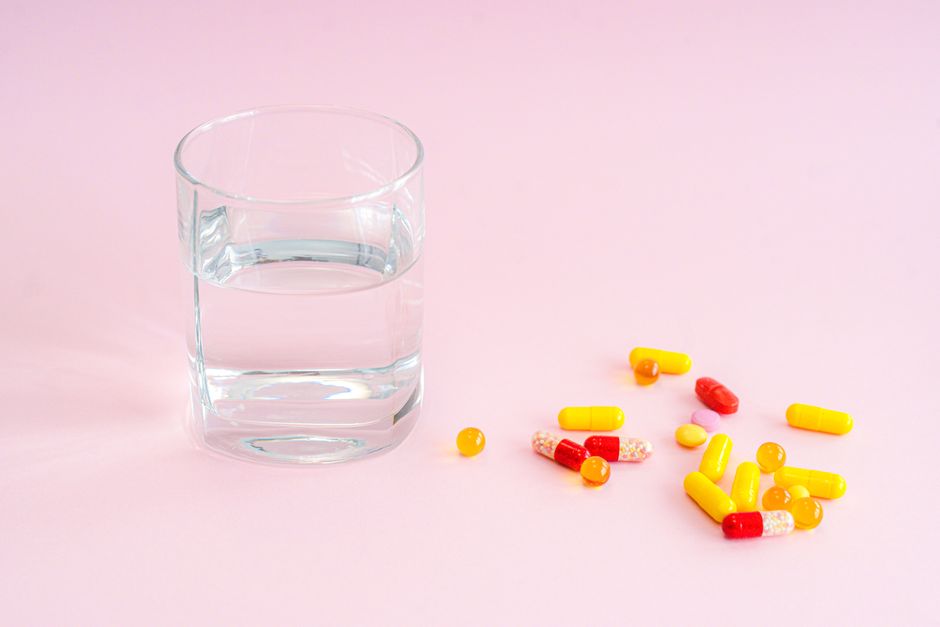
Vitamins and supplements are a very common cause of bright yellow or neon yellow urine. The main culprit is riboflavin, also known as vitamin B2. This water-soluble vitamin is bright yellow on its own. When you take more than your body needs, the excess is filtered out by your kidneys and excreted in urine. This produces a vivid yellow color that can look almost fluorescent.
Vitamin C can also contribute to a more intense yellow color, though the effect is usually less dramatic than riboflavin. Many multivitamins and B-complex supplements contain both these vitamins. If you notice your urine turning bright yellow shortly after taking a supplement, this is a normal and harmless effect. It simply means your body is getting rid of the vitamins it did not absorb or use.
Other supplements can cause different colors. Some laxatives and certain medications can turn urine darker or change its shade. But for most people taking standard vitamins, the bright yellow color is just excess riboflavin leaving the body.
What Medications Can Change Urine Yellow Color?
Several prescription and over-the-counter medications can change the color of urine. Some antibiotics, particularly those in the rifampin family, can turn urine orange or reddish-orange. Phenazopyridine, a medication used to relieve urinary tract pain, turns urine a distinct orange color. This effect is well documented and is listed as a common side effect of the drug.
Laxatives containing senna can cause a yellowish-brown urine color. Some chemotherapy drugs also change urine color temporarily. In most cases, these color changes are harmless and reverse once you stop taking the medication. However, if you are taking a medication and notice a color change that was not mentioned by your doctor or pharmacist, it is worth asking about it. Some color changes can indicate a medication-related problem, while others are completely expected.
Always read the medication information sheet that comes with your prescription. It will usually list any expected changes in urine color. If the change is not listed, contact your healthcare provider.
When Should Dark Yellow Urine Be a Concern?
Dark yellow urine alone is rarely a medical emergency. It most often means you are mildly dehydrated. Drinking water and observing your urine over the next few hours is a reasonable first step. If the color returns to a pale yellow after rehydrating, there is typically no cause for concern.
However, certain colors warrant medical attention. Urine that is red, pink, or brown could indicate blood in the urine. This can be a sign of a urinary tract infection, kidney stones, or other conditions that need evaluation. Urine that is dark brown or tea-colored can sometimes indicate a liver problem or severe muscle breakdown. Green or blue urine is rare but can occur with certain medications, medical conditions, or food dyes.
If your urine color changes and does not return to normal within a day or two, or if you have other symptoms like pain, fever, or burning during urination, contact a healthcare provider. Dark yellow urine that persists despite adequate fluid intake could also warrant a check, especially if it is accompanied by other symptoms.
Does Urine Color Change with Age?
Urine color can change as you age, but the changes are usually linked to other factors rather than age itself. Older adults often have a reduced sense of thirst. They may not drink enough fluids without consciously reminding themselves. This can lead to chronically darker urine from mild dehydration.
Kidney function also naturally declines with age. The kidneys become less efficient at concentrating urine. This can sometimes lead to paler urine because the kidneys cannot concentrate waste products as effectively. Medications taken for age-related health conditions can also affect urine color.
For most people, the same hydration principles apply across the lifespan. Pale yellow urine generally indicates adequate hydration. Darker urine suggests you need more fluids. If you are an older adult and notice a significant change in urine color that does not relate to fluid intake or medications, it is worth discussing with your doctor.
Frequently Asked Questions
Why is my urine bright yellow even though I drink a lot of water?
Bright yellow urine despite good hydration is most often caused by vitamin B2 (riboflavin) in supplements or multivitamins. The excess vitamin is excreted in urine, producing a vivid yellow color that diluting with water will not remove.
Is dark yellow urine always a sign of dehydration?
No, dark yellow urine can also result from certain foods, medications, or supplements. If drinking water does not lighten your urine within a few hours, consider what you ate or took recently.
Can urine color indicate a health problem?
Yes, certain colors like red, brown, or green can signal underlying conditions. Red urine may indicate blood, while dark brown urine can sometimes point to liver issues. These colors warrant medical evaluation.
How much water should I drink to keep urine a normal yellow color?
Fluid needs vary by person, body size, activity level, and climate. A general guideline is to drink enough so your urine stays pale yellow, which typically means drinking when you feel thirsty and with meals.
