
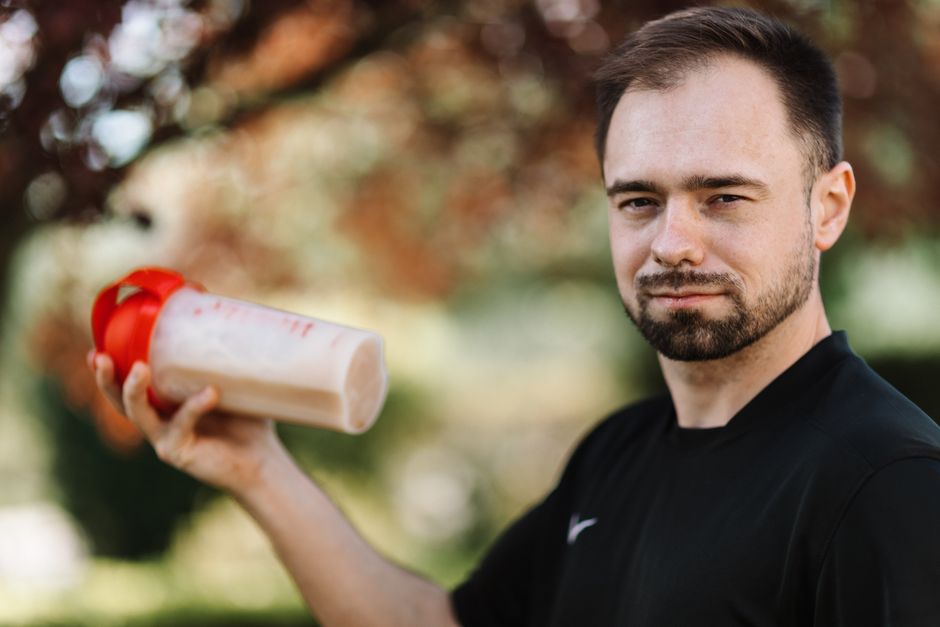
A serving of protein is typically 20 to 30 grams. That could be 3 ounces of cooked chicken, 4 ounces of fish, or 1 cup of cooked lentils. Your daily protein needs are based on your weight and activity level. The standard recommendation is 0.8 grams of protein per kilogram of body weight. Many people benefit from more, especially if they are active or older.
What Is a Serving of Protein?
A serving of protein refers to the amount of a protein-rich food that provides a specific gram amount of protein. For most adults, one serving equals roughly 20 to 30 grams of protein. This is a useful reference for meal planning because it matches what you might eat at a single meal.
Food labels and dietary guidelines often use this range. For example, the U.S. Dietary Guidelines define a serving of meat or poultry as 1 ounce, but they use a different measure for protein content. A typical portion at dinner (3 to 4 ounces of cooked meat) contains about 20 to 30 grams of protein. That amount helps you reach your daily protein target without overthinking grams.
Not all protein servings look the same. One serving might be 3 ounces of beef, 4 ounces of fish, 2 eggs, or 1 cup of cooked beans. The size and weight vary because foods differ in their protein density.
How Many Grams of Protein Are in Common Foods?
The table below shows typical protein content for common foods. These values are based on standard portion sizes used in nutrition research. Actual grams can vary slightly by preparation and brand.
| Food | Typical Serving Size | Grams of Protein |
|---|---|---|
| Chicken breast (cooked, skinless) | 3 ounces (about 85g) | 26 |
| Ground beef (85% lean, cooked) | 3 ounces | 22 |
| Salmon (cooked) | 3 ounces | 22 |
| Large egg | 1 whole egg | 6 |
| Greek yogurt (plain, nonfat) | 6 ounces (170g) | 17 |
| Cottage cheese (1% milk fat) | 1/2 cup (113g) | 14 |
| Tofu (firm, raw) | 3 ounces (85g) | 9 |
| Lentils (cooked) | 1 cup (200g) | 18 |
| Black beans (cooked) | 1 cup (172g) | 15 |
| Almonds | 1 ounce (28g) | 6 |
| Peanut butter | 2 tablespoons (32g) | 8 |
Use this as a rough guide. For packaged foods, check the label for exact protein grams per serving.
What Are Your Daily Protein Needs?
The Recommended Dietary Allowance (RDA) for protein is 0.8 grams per kilogram of body weight. That means a person who weighs 70 kilograms (about 154 pounds) needs at least 56 grams of protein each day. This amount is enough to prevent deficiency in most sedentary adults.
However, many experts agree the RDA is a minimum, not an ideal target. People who exercise regularly, are over age 60, or are recovering from illness or injury often need more. Research consistently shows that older adults benefit from 1.2 to 1.6 grams per kilogram to maintain muscle mass. Athletes and people doing heavy strength training may need 1.6 to 2.2 grams per kilogram.
Pregnant and breastfeeding women also have higher protein needs. The additional requirement during pregnancy is about 25 grams per day above baseline. Lactating women need about 15 to 20 extra grams per day.
There is no single exact number for everyone. Your needs depend on your weight, activity level, age, and health status.




How to Calculate Your Personal Protein Needs
Start with your weight in kilograms. If you know your weight in pounds, divide by 2.2 to get kilograms. Multiply that number by 0.8 for a baseline. That is your minimum daily protein in grams.
For a more active or older adult, multiply by 1.2 to 1.6. For serious athletes or people trying to build muscle, use 1.6 to 2.2. Do not exceed 2.5 grams per kilogram except under medical supervision—there is little evidence of extra benefit beyond that.
Example: A 150-pound woman weighs about 68 kilograms. Her baseline is 54 grams of protein per day. If she exercises regularly and is over 50, a target of 1.2 g/kg gives 82 grams per day. That translates to three meals with about 27 grams of protein each, or two larger meals and a snack.
To make it practical: spread your protein across meals rather than eating most at dinner. A 20- to 30-gram serving at each meal helps your body use the protein effectively for muscle repair and other functions.
Does Eating More Protein Help with Weight Loss or Muscle Growth?
Evidence shows that a higher protein intake can help with weight loss. Protein reduces appetite and increases the thermic effect of food (calories burned during digestion). Compared to carbohydrates or fat, protein makes you feel fuller for longer, which may help you eat fewer calories overall.
For muscle growth, you need more than just protein. Resistance training is the primary stimulus. Protein provides the building blocks, but without exercise, extra protein does not automatically turn into muscle. When combined with strength training, consuming 1.6 to 2.2 grams per kilogram supports muscle gain in most people.
Some studies suggest that older adults lose muscle mass with age (sarcopenia). Higher protein intake plus resistance exercise can slow this loss. The evidence is strong enough that many healthcare organizations now recommend higher protein for older adults than the standard RDA.
Be cautious about claims that very high protein diets (above 2.5 g/kg) dramatically improve body composition. The evidence for extra benefit beyond 1.6 to 2.2 g/kg is limited.
Is It Possible to Eat Too Much Protein?
Yes, but the risks are often overstated for healthy people. Very high protein intake (consistently above 2.5 grams per kilogram) may cause digestive discomfort, dehydration, and increased calcium loss in urine. Long-term effects on kidney function remain debated.
For people with existing kidney disease, high protein can worsen kidney damage. If you have chronic kidney disease, consult your doctor before increasing protein. For healthy individuals, moderate high protein (up to 2.0 g/kg) appears safe based on current evidence. No clinical consensus defines an exact upper safety limit for healthy adults, but most guidelines suggest staying below 35% of total calories from protein.
The more practical risk is nutritional imbalance. If you focus heavily on protein, you may crowd out carbohydrates and fats that you need for energy and essential nutrients. A balanced diet remains the safest approach.
What Is A Serving Of Protein Sizes Grams And Daily Needs? — Putting It Together
This question combines all the key points. A serving of protein is a portion of food that supplies roughly 20 to 30 grams. The size of that serving varies by food: 3 ounces of meat, 4 ounces of fish, 1 cup of beans, 2 eggs. Your daily needs depend on your body weight and activity level, but the baseline is 0.8 grams per kilogram. Most adults benefit from 1.2 to 1.6 grams per kilogram.
To apply this: aim for at least 20 grams of protein at each meal. If you weigh 70 kg, three meals with 20 grams each gives you 60 grams, which is above the RDA. Adjust upward if you exercise or are over 60. Use the food table to estimate portions. This approach is simple and backed by strong evidence.
Frequently Asked Questions
How many grams of protein per day for a woman?
A woman who weighs 140 pounds needs at least 51 grams per day based on the RDA.
If she is active or older, a target of 75 to 90 grams is often recommended.
Can you get enough protein on a plant-based diet?
Yes, plant foods like beans, lentils, tofu, and quinoa provide protein.
Aim for a variety throughout the day to ensure you get all essential amino acids.
Is protein powder necessary to meet daily needs?
No, whole foods can meet your protein needs without supplements.
Protein powder is convenient but not required for most people.
How much protein per meal is ideal?
Research suggests 20 to 40 grams per meal is effective for muscle building.
Spreading protein across three meals is better than eating most at one meal.
