
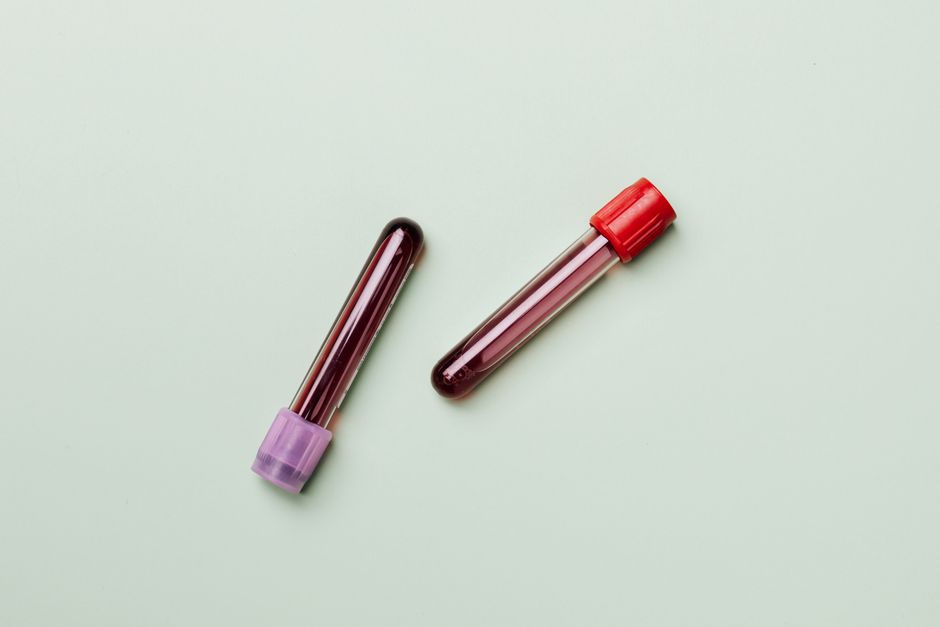
A serum sample is the liquid part of your blood that remains after the blood has clotted and the solid components have been removed. It contains proteins, electrolytes, antibodies, hormones, and other substances that doctors and laboratories measure to assess your health. When a healthcare provider orders a blood test, the laboratory often uses serum to check for everything from cholesterol levels to organ function.
How Is Serum Different From Plasma?
People often confuse serum and plasma, but they are not the same thing. Both are the liquid portion of blood, but the way they are prepared in the laboratory is different.
Plasma is the liquid part of blood that still contains clotting factors. To get plasma, the blood is drawn into a tube that contains an anticoagulant, which prevents the blood from clotting. The tube is then spun in a centrifuge, and the liquid on top is plasma.
Serum is the liquid that remains after the blood has been allowed to clot naturally. The clotting process uses up the clotting factors, so serum does not contain them. This is why serum is often preferred for tests that measure proteins or chemicals that might be affected by clotting factors.
The practical difference matters in the lab. Some tests require serum, and others require plasma. Using the wrong one can lead to inaccurate results. Your doctor or the laboratory will specify which type of sample is needed for each test.
What Is A Serum Sample And How Is It Used?
A serum sample is used to measure specific substances in your blood that help doctors diagnose, monitor, or rule out medical conditions. The process begins with a standard blood draw, usually from a vein in your arm. The blood is collected into a tube that may contain a gel or clot activator to speed up the clotting process.
Once the blood clots, the tube is placed in a centrifuge. The centrifuge spins the tube at high speed, which separates the liquid serum from the clotted blood cells. The serum is then removed and analyzed by automated machines or by laboratory technicians.
Common uses for serum samples include checking cholesterol and triglycerides, measuring blood sugar levels, evaluating kidney and liver function, and testing for specific antibodies that indicate past or current infections. Serum is also used to measure hormone levels, such as thyroid hormones, and to monitor the effectiveness of certain medications.
Serum samples are stable and can be stored for a period of time before testing. This allows laboratories to batch tests and run multiple analyses from a single blood draw.
What Can a Serum Test Detect?
Serum tests are among the most common diagnostic tools in medicine. They can detect a wide range of conditions, but the specific tests ordered depend on your symptoms and what your doctor is looking for.
Some of the most frequently ordered serum tests include:
- Basic metabolic panel: Measures glucose, calcium, and electrolytes like sodium and potassium. It also checks kidney function.
- Comprehensive metabolic panel: Includes everything in the basic panel plus tests for liver enzymes and proteins.
- Lipid panel: Measures total cholesterol, LDL cholesterol, HDL cholesterol, and triglycerides.
- Thyroid function tests: Measures thyroid-stimulating hormone and thyroid hormones to evaluate thyroid activity.
- Inflammatory markers: Tests like C-reactive protein that indicate inflammation somewhere in the body.
- Antibody tests: Detect antibodies that show exposure to viruses or bacteria, such as those that cause certain infections.
Serum tests can also be used to monitor chronic conditions. For example, someone with diabetes gets regular serum glucose tests. Someone with kidney disease gets regular serum creatinine tests. The same sample can often be used for multiple tests, which is why a single blood draw can provide a broad picture of your health.





How Is a Serum Sample Collected?
Collecting a serum sample is a routine procedure that takes only a few minutes. A healthcare professional inserts a needle into a vein, usually in your arm, and draws blood into a vacuum tube. The tube is labeled with your information and sent to the laboratory.
The type of tube used matters. For serum testing, the tube typically has a red or gold top. The gold top contains a gel that helps separate the serum from the clot during centrifugation. Some tubes contain a clot activator that speeds up the clotting process, which reduces the time you have to wait for results.
After the blood is drawn, it must clot before it can be centrifuged. This usually takes about 30 minutes at room temperature. Once the serum is separated, it can be tested immediately or stored in a refrigerator or freezer for later analysis.
Some tests require specific preparation before the blood draw. For example, a fasting lipid panel requires you to not eat or drink anything except water for 9 to 12 hours beforehand. A fasting glucose test requires the same. Your doctor will tell you if any preparation is needed before your blood test.
Are There Risks or Limitations?
Giving a blood sample is a low-risk procedure. The most common side effects are minor bruising, slight soreness at the needle site, and occasionally lightheadedness. Serious complications are rare.
There are some limitations to serum testing that are worth understanding. First, a serum sample only reflects what is in your blood at the moment it was drawn. Some substances fluctuate throughout the day, so a single test may not capture your average level.
Second, certain medications and supplements can interfere with test results. For example, biotin supplements are known to interfere with some laboratory tests, including thyroid tests. If you take biotin, you should tell your doctor before having blood work done.
Third, hemolysis can affect serum samples. Hemolysis is the breakdown of red blood cells, which can happen if the sample is handled roughly or the needle is too small. Hemolyzed samples can produce inaccurate results for certain tests, and the laboratory may reject the sample and ask for a redraw.
Finally, not all substances are best measured in serum. Some tests require plasma, whole blood, or other sample types. The laboratory will always use the appropriate sample type for each specific test.
What Happens After the Test?
Once the laboratory analyzes your serum sample, the results are sent to your healthcare provider. Your doctor will interpret the results in the context of your symptoms, medical history, and other test results.
It is important to understand that a single abnormal result does not always mean something is wrong. Laboratory values can be affected by hydration status, recent meals, stress, and time of day. Your doctor may order a repeat test or additional tests before making any conclusions.
If your results are normal, that provides useful information too. Normal results can rule out certain conditions and help your doctor focus on other possible causes of your symptoms.
Frequently Asked Questions
How long does it take to get serum test results?
Most routine serum tests are completed within 24 to 48 hours. Some specialized tests may take several days to a week if the sample must be sent to a reference laboratory.
Do I need to fast before a serum blood test?
Only for certain tests, such as fasting glucose or lipid panels. Your doctor will tell you if fasting is required, and it usually means no food or drink except water for 9 to 12 hours before the draw.
Can a serum sample be stored for later testing?
Yes, serum can be refrigerated for a few days or frozen for longer storage. The stability depends on the specific test being performed, and laboratories follow strict guidelines for sample storage.
What is the difference between a serum sample and a blood sample?
Blood is the whole substance collected from your vein, including red cells, white cells, and platelets. A serum sample is derived from blood after it has clotted and been centrifuged, leaving only the liquid portion without cells or clotting factors.
