
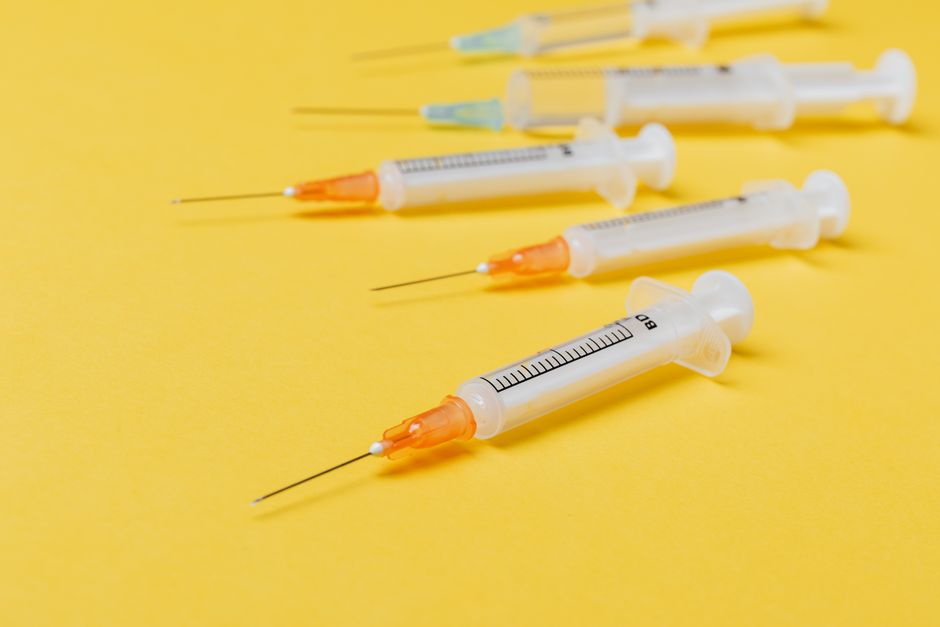
Used needles and other sharp medical items belong in a puncture-proof container, never in the regular trash or recycling bin. The safest approach is to place them in an FDA-approved sharps disposal container immediately after use. If you do not have one, a heavy-duty plastic laundry detergent bottle with a screw-on lid is an acceptable temporary alternative in most areas. Never recap, bend, or break needles, and always check your local regulations because disposal rules vary by state and municipality.
Why Is Safe Sharps Disposal So Important?
Used needles carry blood and other body fluids. That means they can transmit serious infections like hepatitis B, hepatitis C, and HIV if someone gets stuck. The risk is real for family members, children, pets, sanitation workers, and anyone else who might come into contact with the discarded item.
Each year, thousands of people are injured by improperly discarded needles. Many of these injuries happen to garbage collectors and recycling sorters who have no way to know what is inside a trash bag. A needle that pokes through a plastic garbage bag is a hazard that lasts long after you throw it away.
Safe disposal is not just about protecting yourself. It is about protecting everyone who handles your waste after it leaves your home.
What Counts as a Sharp?
Sharps is the medical term for any device that can puncture or cut the skin. Needles and syringes are the most common examples, but they are not the only ones.
- Hypodermic needles and syringes
- Lancets used for blood sugar testing
- Auto-injectors such as epinephrine pens
- Infusion sets and connection needles
- Broken glass vials or ampoules from medication
If it has a point or a sharp edge and has touched blood or medication, treat it as a sharp. Even unused needles need proper disposal because the point itself can still cause injury and the device may not be sterile anymore.
What Is the Right Container for Sharps?
The best choice is an FDA-cleared sharps disposal container. These are rigid, puncture-resistant, and leak-proof. They have a tight-fitting lid that you cannot easily open by accident. You can buy them at most pharmacies, medical supply stores, and online retailers.
If an FDA-approved container is not available, the next best option is a heavy-duty plastic household container. A laundry detergent bottle or a liquid fabric softener bottle works well. The container must meet these criteria:
- Made of heavy-duty puncture-resistant plastic
- Has a screw-on lid that fits tightly
- Can stand upright without tipping over
- Is clearly labeled “Do Not Recycle” or “Sharps Waste”
Do not use glass containers, milk jugs, soda bottles, or thin plastic containers. Needles can push through these materials. Do not use containers that someone could mistake for a drink bottle. The label is not optional—it protects everyone who handles the container later.
How To Dispose Of Used Needles And Sharps Safely
Place the needle or sharp directly into the container immediately after use. Do not set it down on a counter or bed where someone else could touch it. Keep the container close to where you are using the sharp so you never have to carry a used needle across the room.
Never recap a needle. Recapping is one of the most common causes of accidental needle sticks. If you must recap for safety reasons, use a one-handed scoop method. Place the cap on a flat surface, guide the needle into it with one hand, and push the cap against a wall or hard surface to secure it. Never use two hands to recap.
Do not bend or break needles before disposal. This creates an uncontrolled sharp edge and increases your risk of injury. Do not remove the needle from the syringe unless you have a specific device designed to do that safely.
Fill the container only up to the fill line, which is usually about three-quarters full. Overfilling makes it dangerous because needles can poke through the lid. When the container reaches the fill line, seal the lid securely and prepare it for disposal.
Where Can You Take a Full Sharps Container?
Disposal options depend on where you live. Some states allow sealed sharps containers in the regular household trash. Other states require them to be taken to designated drop-off locations. A few states have mail-back programs.
Many pharmacies and hospitals accept used sharps containers from the public. Some police and fire stations also serve as drop-off points. Check with your local health department to find the approved option in your area. The environmental protection agency in your state can also provide guidance.
Mail-back programs are a convenient option in many areas. You buy a prepaid container, fill it, seal it, and send it through the mail to a licensed disposal facility. These programs are regulated and safe when you follow the instructions provided.
If your area allows sharps in the household trash, the container must be sealed with duct tape and placed in the garbage, not the recycling bin. Never put sharps containers in recycling. Recycling facilities are not equipped to handle medical waste, and workers can be seriously injured.
What Should You Never Do With Used Needles?
Some disposal methods are dangerous and should never be used. Flushing needles down the toilet is not acceptable. They can end up in waterways and on beaches, and they can cause blockages in plumbing. Do not put needles in glass bottles, aluminum cans, or thin plastic containers.
Never throw loose needles into the trash. A needle without a container can poke through a garbage bag and injure a sanitation worker. Never place sharps in a public trash can or a park bin. This puts strangers at risk and is illegal in many places.
Do not donate used sharps to any organization. Charities and medical mission groups cannot legally accept used needles from the public. Do not give them to friends or family members who might not have a safe disposal plan.
What About Sharps Used Outside the Home?
People who use insulin or other injectable medications often need to manage sharps away from home. Carry a small portable sharps container in your bag or car. When it is full, transfer it to your main disposal container or take it to an approved drop-off site.
Public restrooms in some airports, rest stops, and community centers have sharps disposal kiosks. These are becoming more common but are not available everywhere. If you cannot find one, bring your sharps home in a portable container. Never dispose of them in public trash bins because you cannot guarantee they will be handled safely.
Frequently Asked Questions
Can I throw needles in the regular trash?
Yes, in many states you can, but only if they are inside a sealed, puncture-proof container that is clearly labeled. Check your local regulations because rules vary by state and even by county.
What can I use if I do not have a sharps container?
Use a heavy-duty plastic bottle with a screw-on lid, such as a laundry detergent bottle. Label it clearly and seal it with duct tape when full.
Can I recycle sharps containers?
No. Sharps containers are never recyclable. They must go in the regular trash or be taken to a designated disposal site.
Is it safe to flush needles down the toilet?
No. Flushing needles is never acceptable because they can end up in waterways and create hazards for sanitation workers and the public.
Safe sharps disposal is a simple habit once you know the rules for your area. Keep a container where you use needles. Fill it properly. Seal it when full. Then dispose of it through the approved channel for your community. These steps protect everyone around you from a preventable injury.
