
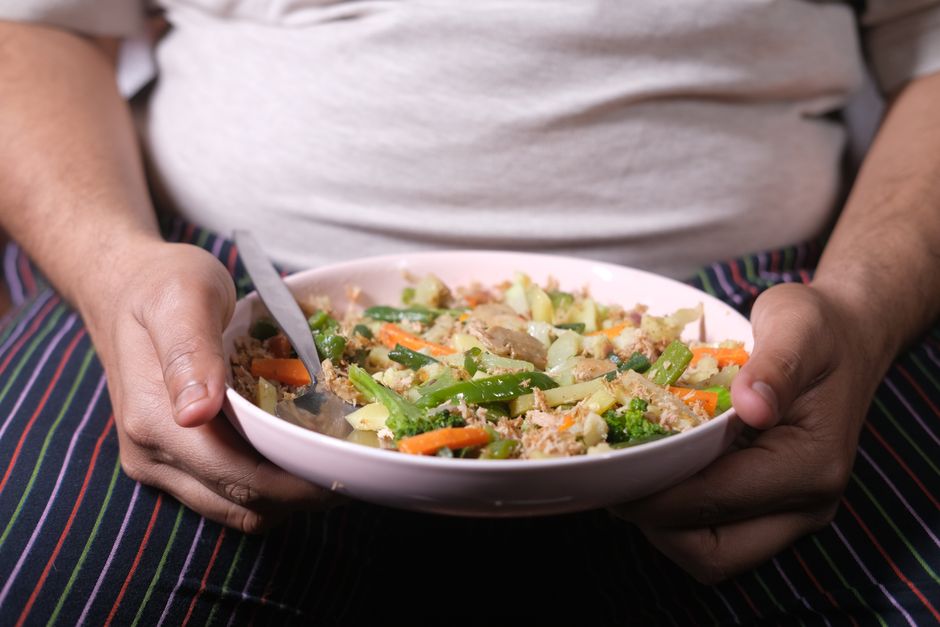
The Rastafarian diet, known as Ital, is a way of eating rooted in the spiritual and cultural beliefs of the Rastafari movement, which emerged in Jamaica in the 1930s. The word “Ital” comes from the word “vital,” and the core idea is that food should be natural, pure, and life-giving. People who follow Ital principles typically eat a plant-based diet, avoid processed foods, and steer clear of anything they believe has been contaminated or altered from its natural state.
What Is A Rastafarian Diet The Ital Explained?
Ital is not a single, strictly defined diet with a rulebook. It is a set of principles that vary from person to person and from community to community. The central belief is that the body is a temple, and what you put into it affects your physical health, your mental clarity, and your spiritual connection.
The most consistent feature of Ital eating is that it is plant-based. Fruits, vegetables, whole grains, legumes, nuts, and seeds form the foundation. Many followers also avoid salt, refined sugar, white flour, and processed foods. Some avoid cooking with oil. The emphasis is on food that is as close to its natural form as possible.
Ital is closely tied to the broader Rastafari worldview. The movement developed in Jamaica as a response to colonialism, oppression, and poverty. Choosing to eat simply and naturally was, and still is for many, a form of resistance against a food system that promotes artificial and processed products.
What Foods Do Rastafarians Eat on an Ital Diet?
The foods eaten on an Ital diet are those considered pure, natural, and free from artificial additives. The specific list varies, but certain categories appear consistently.
- Fruits: Mangoes, bananas, papayas, oranges, limes, and other tropical and non-tropical fruits, ideally fresh and in season.
- Vegetables: Leafy greens, callaloo, cabbage, carrots, peppers, and root vegetables like yams and sweet potatoes.
- Legumes: Beans, peas, lentils, and chickpeas are common protein sources.
- Whole grains: Brown rice, millet, oats, and other unrefined grains.
- Nuts and seeds: Almonds, cashews, pumpkin seeds, and sesame seeds.
- Herbs and spices: Fresh herbs, garlic, ginger, and natural seasonings are used in place of artificial flavorings.
Preparation matters as much as the ingredients. Many followers prefer to cook from scratch, avoid microwaves, and some avoid aluminum cookware. Fasting is also practiced by some, particularly on certain holy days or as a form of spiritual discipline.
What Foods Are Avoided on an Ital Diet?
The list of avoided foods is where Ital practice varies most. There is no universal agreement on every item, but several categories are widely avoided.
Processed foods top the list. Anything with artificial preservatives, colors, or flavors is out. Refined sugar, white flour, and table salt are commonly avoided. Some followers also avoid caffeine and alcohol.
Meat is avoided by most who follow Ital. Some eat fish, but typically only small fish, and some traditions avoid shellfish and bottom-feeders entirely. The reasoning is partly about purity and partly about the belief that eating dead flesh is not life-giving.
One of the most well-known restrictions is the avoidance of pork and shellfish, which aligns with Old Testament dietary laws. This is not universal across all Rastafari communities, but it is common.
Some followers also avoid mixing certain foods. For example, some do not combine fish with other meats, or avoid eating dairy with meat. These rules are not standardized and vary widely.





Is an Ital Diet the Same as Vegan or Vegetarian?
An Ital diet overlaps significantly with vegan and vegetarian diets, but it is not identical. The key difference is the spiritual and cultural framework behind it.
Most Ital followers eat a plant-based diet, which means they avoid meat, poultry, and often dairy and eggs. In that sense, it resembles veganism. But Ital is not primarily about animal welfare or environmental concerns, though those may be factors. It is about spiritual purity and natural living.
Some Ital practitioners do eat fish. Some eat dairy in limited forms. Some avoid certain plant foods based on how they are grown or processed. The rules are personal and community-based rather than universal.
Another difference is the emphasis on food preparation and the belief that cooking methods affect the spiritual quality of food. A vegan might eat a highly processed vegan burger. An Ital follower would likely avoid it because of the processing, not because it contains animal products.
What Are the Health Implications of an Ital Diet?
The health effects of an Ital diet depend heavily on how it is practiced. A well-planned Ital diet rich in fruits, vegetables, whole grains, and legumes can provide most essential nutrients. This pattern of eating is generally associated with lower risk of chronic diseases like heart disease and type 2 diabetes.
However, the evidence here is limited when it comes to Ital specifically. Most research on plant-based diets has been conducted on broader populations, not on Rastafarian communities. We can reasonably infer some benefits based on what is known about plant-based eating in general, but we should be careful not to overstate what is proven about Ital as a distinct diet.
Potential concerns exist as well. A strictly plant-based diet can be low in certain nutrients if not carefully planned. Vitamin B12 is a particular concern because it occurs naturally almost exclusively in animal products. People following a long-term vegan or near-vegan diet may need to supplement B12 or eat fortified foods. Iron, zinc, calcium, and omega-3 fatty acids also require attention.
The avoidance of salt is generally considered healthy, but in hot climates or with heavy physical activity, some sodium is necessary. The avoidance of all processed foods can make it harder to get enough iodine, which is often added to table salt.
These are general considerations for any plant-based diet. They are not unique to Ital, but they are relevant for anyone considering or following this way of eating.
How Does Ital Fit Into Rastafari Spirituality?
For many Rastafarians, Ital eating is not just a diet. It is a spiritual practice. The body is seen as a vessel for the divine, and keeping it pure is a way of honoring that.
The concept of “livity” is central to Rastafari. Livity refers to a way of life that is natural, righteous, and in harmony with the earth. Ital eating is one expression of livity. It connects the individual to a larger commitment to living in a way that is clean and respectful of creation.
This is why Ital is often described as more than just food. It is a daily practice of mindfulness and discipline. Choosing what to eat becomes a spiritual decision, not just a nutritional one.
Fasting also plays a role. Some Rastafarians fast on certain days or during specific periods as a way to cleanse the body and focus the mind. The details vary by community and individual.
Can Anyone Follow an Ital Diet?
Anyone can choose to eat according to Ital principles, but it is important to do so thoughtfully. The diet is not inherently unsafe, but like any restrictive way of eating, it requires attention to nutritional needs.
People with certain health conditions, pregnant or breastfeeding women, and children have specific nutritional requirements. No clinical guidelines currently exist for adapting an Ital diet to these populations. Anyone in these groups should consult a healthcare provider or registered dietitian before making significant dietary changes.
For most healthy adults, a plant-based diet that emphasizes whole foods can be a healthy choice. The key is variety and adequacy. Eating a wide range of fruits, vegetables, grains, and legumes helps cover nutrient needs. Paying attention to B12, iron, calcium, and omega-3s is important for anyone eating primarily plant-based.
Ital is ultimately a personal approach. Some people follow it strictly. Others adopt certain principles while making adjustments for their health or circumstances. There is no single authority that dictates exactly how it must be done.
Frequently Asked Questions
What is the Ital diet in simple terms?
The Ital diet is a plant-based way of eating rooted in Rastafari beliefs that emphasizes natural, unprocessed foods and avoids meat, artificial additives, and often salt and refined sugar. The word “Ital” comes from “vital” and reflects the idea that food should support physical and spiritual health.
Do Rastafarians eat meat?
Most people following an Ital diet do not eat meat, though some eat small amounts of fish. The avoidance of meat is based on the belief that a plant-based diet is purer and more life-giving.
Is the Ital diet the same as veganism?
Ital and veganism both avoid animal products, but Ital is rooted in spiritual and cultural beliefs rather than animal welfare or environmental concerns. Some Ital followers eat fish or limited dairy, so it is not strictly vegan.
What are the main health concerns of an Ital diet?
A well-planned Ital diet can be nutritious, but it may be low in vitamin B12, iron, calcium, and omega-3 fatty acids if not carefully managed. Anyone considering a long-term plant-based diet should pay attention to these nutrients and consult a healthcare provider if unsure.
