
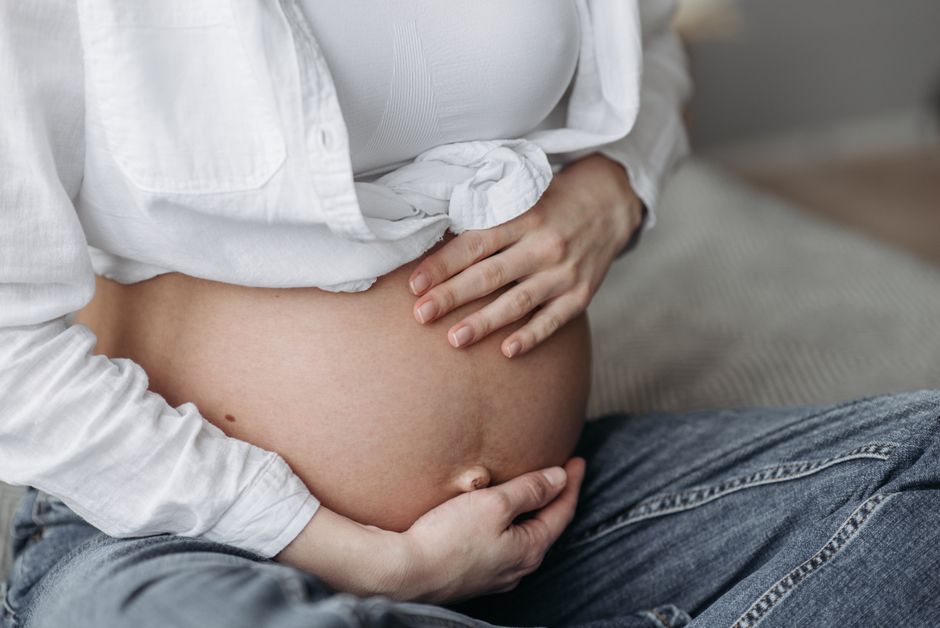
A placental abruption is a serious pregnancy complication where the placenta separates from the inner wall of the uterus before the baby is born. This separation can cut off the baby’s supply of oxygen and nutrients and cause heavy bleeding in the mother. It is a medical emergency that requires immediate care. The condition can range from mild to severe, and the right treatment depends on how much separation has occurred and how far along the pregnancy is.
What Is A Placenta Abruption?
During pregnancy, the placenta is the lifeline between mother and baby. It attaches to the uterine wall and delivers oxygen and nutrients through the umbilical cord. In a normal delivery, the placenta detaches naturally after the baby is born. In an abruption, that detachment happens too early.
The separation can be partial or complete. A partial abruption means only part of the placenta has pulled away. A complete abruption means the entire placenta has detached. Both are dangerous, but a complete abruption is more severe and requires faster intervention.
Bleeding occurs because blood vessels connecting the placenta to the uterus tear open. In some cases, blood gets trapped between the placenta and the uterine wall, so visible bleeding may not happen. This is called a concealed abruption, and it can be harder to recognize.
What Are the Symptoms of Placental Abruption?
The most common symptom is vaginal bleeding in the third trimester. However, bleeding does not always happen. Some women have no visible bleeding at all, which can delay diagnosis.
Other symptoms include:
- Abdominal pain that comes on suddenly
- Back pain that starts without warning
- Uterine tenderness or a feeling that the uterus is hard
- Frequent contractions that do not let up
- A decrease in fetal movement
If you experience any of these symptoms in the third trimester, contact your healthcare provider immediately or go to the emergency room. Do not wait to see if symptoms improve.
What Causes the Placenta to Separate Early?
The exact cause of placental abruption is not always clear. In many cases, no specific cause is identified. But researchers have identified several factors that increase the risk.
High blood pressure is the most commonly linked condition. This includes chronic high blood pressure, pregnancy-induced hypertension, and preeclampsia. Trauma to the abdomen, such as from a car accident or a fall, can also trigger an abruption.
Other risk factors include:
- Smoking during pregnancy
- Cocaine use
- Previous placental abruption in an earlier pregnancy
- Uterine infection
- Short umbilical cord
- Being older than 35
- Carrying more than one baby
- Excess amniotic fluid
Having a risk factor does not mean an abruption will happen. Many women with multiple risk factors deliver normally. But knowing your risk helps your healthcare team monitor you more closely.




How Is Placental Abruption Diagnosed?
Doctors diagnose placental abruption based on symptoms, a physical exam, and sometimes imaging. There is no single test that confirms it with total certainty.
Your doctor will ask about your symptoms and check your blood pressure and heart rate. They will feel your abdomen to check for tenderness or firmness. A fetal monitor will be used to check the baby’s heart rate and look for signs of distress.
An ultrasound can help, but it has limits. Ultrasound only detects an abruption about half the time. A small separation may not be visible on the scan. If symptoms are strong and the ultrasound looks normal, doctors still treat it as a possible abruption.
Blood tests check your hemoglobin levels, blood clotting function, and whether your blood type is Rh negative. These results help guide treatment and prepare for possible blood transfusions.
What Are the Risks to Mother and Baby?
Placental abruption is dangerous for both mother and baby. The risks depend on how severe the separation is and how quickly treatment begins.
For the mother, the main risks are heavy blood loss and problems with blood clotting. Severe blood loss can lead to shock, which is life-threatening. In rare cases, the uterus may not contract properly after delivery, which can cause postpartum hemorrhage. Some women need a blood transfusion. In the most severe cases, a hysterectomy may be necessary to stop bleeding.
For the baby, the main risk is not getting enough oxygen. The placenta is the baby’s only source of oxygen and nutrients. When it detaches, that supply is reduced or cut off. This can cause fetal distress, premature birth, or in severe cases, stillbirth.
The outcome depends heavily on how much of the placenta has detached and the baby’s gestational age. A small partial abruption that is caught early has a much better outlook than a large one.
How Is Placental Abruption Treated?
Treatment depends on the severity of the abruption, the health of the mother, and how far along the pregnancy is. There is no way to reattach the placenta. The only definitive treatment is delivery.
For a mild abruption with a baby that is not yet full term, doctors may recommend hospital monitoring. You may be admitted for observation to watch for signs that the abruption is getting worse. If the baby’s heart rate stays stable and bleeding stops, the pregnancy may continue under close supervision.
For a moderate or severe abruption, delivery is usually recommended right away. This often means an emergency cesarean section. The goal is to get the baby out before oxygen deprivation causes lasting harm.
If the baby is near full term, delivery is usually induced regardless of how mild the abruption seems. The risk of waiting generally outweighs the benefits of staying pregnant.
Treatment also includes supportive care. You may receive IV fluids, blood transfusions, or medications to manage blood pressure. If the baby is premature, you may receive corticosteroids to help the baby’s lungs mature faster before delivery.
Can Placental Abruption Be Prevented?
Placental abruption cannot always be prevented. Many cases happen without warning and without a clear cause. But there are steps that lower the risk.
Managing high blood pressure during pregnancy is the single most important preventive step. Attend all prenatal appointments so your blood pressure is checked regularly. If you have chronic high blood pressure, work with your doctor before becoming pregnant to get it under control.
Avoid smoking and recreational drugs. Both are strongly linked to placental abruption. If you need help quitting, talk to your healthcare provider about safe options during pregnancy.
Wearing a seatbelt properly during pregnancy reduces the risk of abdominal trauma from car accidents. Position the lap belt low across your hips, below your belly.
If you have had a placental abruption before, tell your doctor early in your next pregnancy. You will likely receive closer monitoring and more frequent ultrasounds.
When Should You Seek Immediate Care?
Go to the emergency room right away if you have vaginal bleeding in the second half of pregnancy. Do not wait for an appointment with your regular doctor.
Also seek immediate care if you have sudden, severe abdominal pain, back pain, or a uterus that feels hard and tender. Decreased fetal movement is another reason to be seen urgently.
Placental abruption can progress quickly. A mild case can become severe within a short time. Early evaluation gives you and your baby the best chance of a good outcome.
Frequently Asked Questions
Can a placental abruption happen without bleeding?
Yes, about 20 percent of placental abruptions are concealed, meaning blood is trapped behind the placenta and does not come out through the vagina. In these cases, abdominal pain or back pain may be the only warning sign.
How common is placental abruption?
Placental abruption occurs in about 1 in 100 pregnancies. It is one of the most common causes of third-trimester bleeding.
Can a baby survive a placental abruption?
Yes, most babies survive when the abruption is mild and medical care is received quickly. Survival rates drop significantly with complete separation or delayed treatment.
Does a placental abruption mean your next pregnancy will have one?
No, but the risk is higher. Women who have had one abruption have about a 10 percent chance of it happening again in a future pregnancy.
