
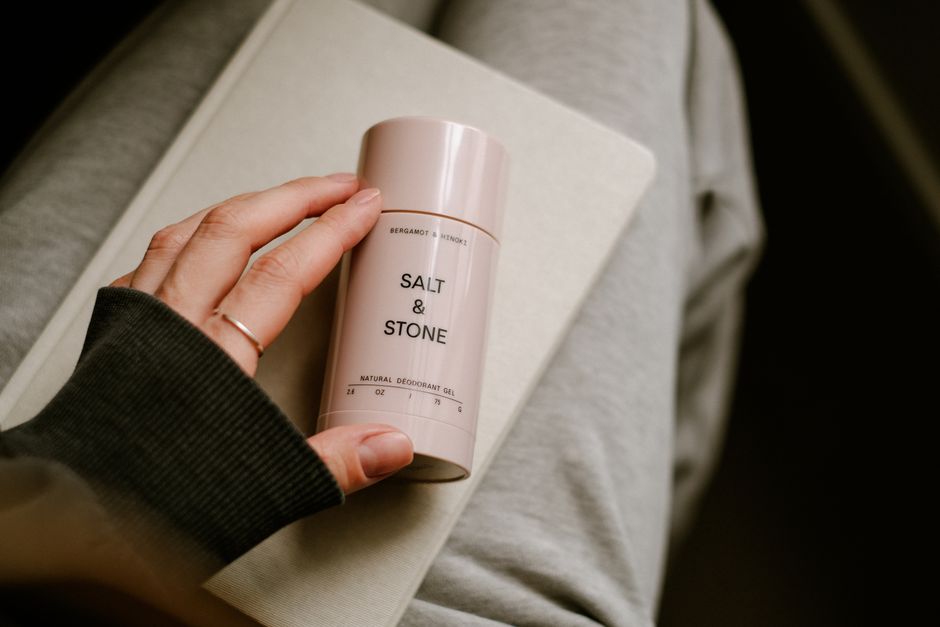
Aluminum is in most antiperspirants, not regular deodorants. The confusion between the two is common, but it matters for your health. Aluminum compounds are the active ingredients that block sweat ducts, which is why antiperspirants keep you dry. The concern is whether your skin absorbs this aluminum and what that absorption means for your body. Research has not proven that aluminum in antiperspirants causes breast cancer or Alzheimer’s disease, but the evidence is not completely settled either.
What Is the Difference Between Deodorant and Antiperspirant?
Deodorant and antiperspirant are not the same product. Deodorants kill or mask the bacteria that cause odor. They do not stop you from sweating. Antiperspirants use aluminum-based compounds to physically block your sweat ducts.
When you see a product labeled “aluminum-free deodorant,” it is a true deodorant. It will not stop wetness. If a product claims to reduce wetness without aluminum, read the label carefully. Most effective sweat-blocking products rely on aluminum salts.
Why Aluminum Deodorant Is Bad: The Root Causes of Concern
The core concern is skin absorption. Your underarm skin is thin, and it is often shaved or irritated. Shaving creates micro-cuts that may allow aluminum to enter the body more easily. Once absorbed, aluminum can bind to tissues and remain in the body for a long time.
The second concern is proximity to breast tissue. Antiperspirants are applied directly next to the breast area. Some researchers have asked whether aluminum applied here could influence breast tissue. This is the root of the breast cancer question.
The third concern involves aluminum and the brain. Aluminum has been found in the brain tissue of people with Alzheimer’s disease. This finding has driven the fear that antiperspirants contribute to cognitive decline. The critical question is whether aluminum in the brain comes from antiperspirants or from other sources.
What Research Says About Aluminum and Breast Cancer
Studies have not confirmed a direct link between antiperspirant use and breast cancer. Some laboratory studies have shown that aluminum can mimic estrogen in human breast cells. Estrogen is a hormone that can promote the growth of certain breast cancers. This has led to reasonable scientific questions.
However, no large human study has shown that people who use antiperspirants develop breast cancer at higher rates than those who do not. The American Cancer Society has stated that there is no strong evidence linking antiperspirant use to breast cancer risk. Some research suggests that aluminum may be present in breast tissue, but presence does not prove causation.
It is also worth noting that many breast cancer diagnoses occur in the upper outer quadrant of the breast, which is closest to the underarm. This observation has fueled the theory. But this area also contains the most breast tissue, so the higher rate of cancer there may have nothing to do with antiperspirants.




What Research Says About Aluminum and Alzheimer’s Disease
The aluminum-Alzheimer’s theory dates back to the 1960s. Researchers found elevated aluminum levels in the brains of Alzheimer’s patients. Since then, studies have produced mixed results. Some found a connection. Others found none.
Most experts now agree that aluminum is not a primary cause of Alzheimer’s disease. The disease has strong genetic and lifestyle risk factors. Aluminum exposure from antiperspirants is small compared to aluminum from food, water, and medications.
Your body does absorb some aluminum from antiperspirants. Studies have measured small increases in blood and urine aluminum after use. The kidneys remove most of it. The question is whether long-term daily use overwhelms this natural clearance. Research has not shown that it does in healthy people.
Are Aluminum Compounds Safe for Your Kidneys?
Healthy kidneys filter aluminum efficiently. Most people clear absorbed aluminum without issue. But people with chronic kidney disease cannot clear aluminum as well. For these individuals, aluminum can build up to harmful levels.
If you have kidney disease, talk to your doctor before using aluminum-based antiperspirants. This is a real concern, not a theoretical one. Aluminum accumulation in kidney disease can cause bone disease and anemia.
For healthy adults, the evidence does not show that antiperspirant use causes kidney damage. The kidneys handle the small aluminum load without measurable harm.
Skin Irritation and Other Practical Concerns
Aluminum can irritate the skin for some people. This is more common after shaving, when the skin is raw. Aluminum salts can also react with sweat to form compounds that clog pores. This can lead to small, painful bumps called folliculitis.
Some people develop contact dermatitis from antiperspirants. This appears as redness, itching, or a rash. If you experience this, switching to an aluminum-free deodorant may resolve the problem.
Yellow stains on shirt underarms are often caused by aluminum in antiperspirants. The aluminum reacts with sweat compounds and leaves a residue that is hard to wash out. Aluminum-free deodorants do not typically cause this type of staining.
What Are Your Alternatives to Aluminum Antiperspirants?
Aluminum-free deodorants use different active ingredients. Many rely on baking soda, which neutralizes odor-causing acids. Others use magnesium hydroxide, which is a compound that reduces bacterial growth. Some use zinc oxide or charcoal.
These products do not stop sweating. They only address odor. If you need wetness control, you may need to reapply during the day. Some people find that their sweat output adjusts over time after stopping antiperspirants, but this is not guaranteed.
Baking soda can irritate sensitive skin. If you try a baking soda-based deodorant and develop a rash, look for a formula without it. Magnesium-based deodorants are often better tolerated by sensitive skin.
Prescription antiperspirants contain higher concentrations of aluminum. These are used for hyperhidrosis, a condition of excessive sweating. They are not a safer alternative. They deliver more aluminum, not less.
Should You Stop Using Aluminum Antiperspirants?
The decision is personal. The evidence does not currently show that aluminum antiperspirants cause cancer or dementia. If you have no skin irritation and no kidney disease, the established science does not require you to switch.
If you are concerned about aluminum exposure, switching to aluminum-free deodorant is a low-risk choice. You will sweat more, but you will avoid the ingredient entirely. This is a reasonable precaution for people who prefer to minimize unnecessary chemical exposure.
There is no evidence that aluminum-free deodorants are healthier than antiperspirants. There is also no evidence that they are worse. The choice comes down to personal comfort and preference.
Pregnant and breastfeeding women often ask about aluminum safety. No clinical guidelines currently exist for this population regarding antiperspirant use. The general evidence does not show harm, but specific data is limited.
Frequently Asked Questions
Does aluminum deodorant cause breast cancer?
No study has confirmed that aluminum antiperspirants cause breast cancer. Some laboratory research shows aluminum can mimic estrogen, but large human studies have not found higher cancer rates in antiperspirant users.
Is aluminum-free deodorant safer than antiperspirant?
There is no proven health difference between the two for healthy people. Aluminum-free deodorant avoids the ingredient entirely, but it does not stop sweating and the evidence does not show that aluminum antiperspirants are harmful.
Can your body absorb aluminum from antiperspirants?
Yes, small amounts of aluminum can be absorbed through the skin. Healthy kidneys remove most of it, but people with chronic kidney disease may not clear it effectively and should consult a doctor.
Does antiperspirant cause Alzheimer’s disease?
Research has not established a causal link between antiperspirant use and Alzheimer’s disease. Aluminum has been found in Alzheimer’s brains, but the evidence is mixed and most experts consider aluminum a minor factor at most.
