
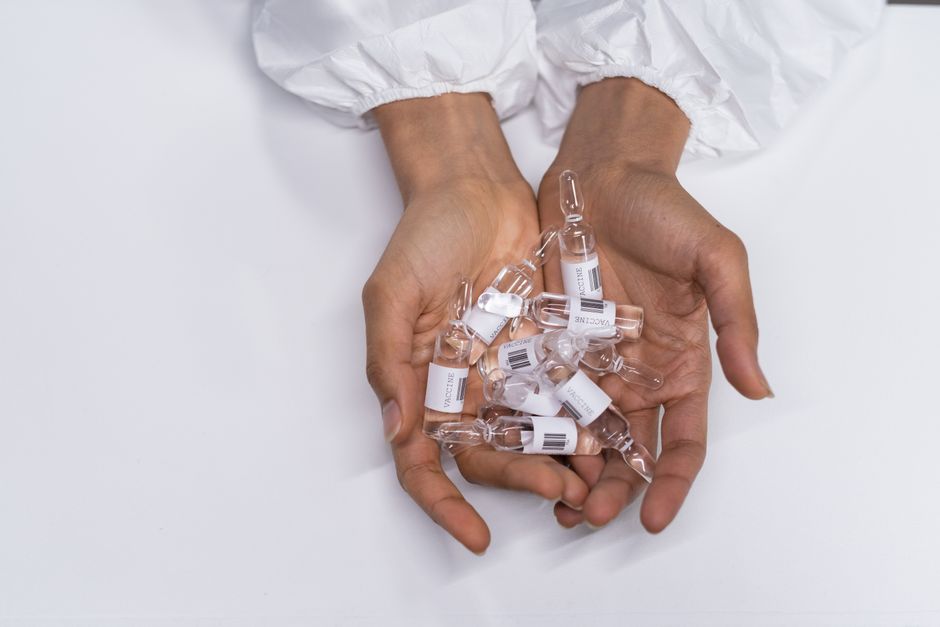
Clinical trials are how new medical treatments get tested before they reach patients. A Phase 1/2 clinical trial combines the first two stages of human testing into one study. Phase 1 focuses on safety and finding the right dose. Phase 2 looks at whether the treatment works and collects more safety data. These combined trials speed up the process while still answering the key questions: Is it safe? Does it work?
What is the difference between Phase 1 and Phase 2 trials?
Phase 1 trials are the first time a drug is tested in people. They enroll a small group, usually 20 to 80 volunteers. The main goal is to find out how the body handles the drug. Researchers look at how it is absorbed, broken down, and removed. They also watch for side effects and find the highest dose that is still safe.
Phase 2 trials are larger, often 100 to 300 people. These studies keep checking safety, but the main goal shifts to effectiveness. Does the drug help treat the condition? Researchers compare results to a standard treatment or a placebo. They also refine the dose and schedule for use in later, bigger trials.
How does a combined Phase 1/2 trial work?
In a combined Phase 1/2 trial, the study moves from the safety phase to the effectiveness phase without a break. This is sometimes called a seamless trial. The first part enrolls a small group to test safety and dose. Once that looks acceptable, the second part opens to more people to test how well it works.
This design saves time and money. It also reduces the number of volunteers needed overall. But it requires careful planning. The safety data from Phase 1 must be reviewed quickly before the Phase 2 part can start. If early results show problems, the whole study may stop.
Who can participate in a Phase 1/2 clinical trial?
Eligibility depends on the condition being studied. Phase 1 trials often include healthy volunteers. For cancer or other serious diseases, people who have not responded to standard treatments may be eligible. Phase 2 trials usually enroll people who have the condition the drug is meant to treat.
Each study has strict rules. These include age, health status, previous treatments, and organ function. The rules exist to protect participants and make results clear. If you have a disease and standard options have not worked, ask your doctor if a Phase 1/2 trial might be an option.





What are the risks and benefits of Phase 1/2 trials?
Risks in Phase 1 are higher than in later stages because less is known about the drug. Side effects may be unexpected or serious. The drug may not work at all. In Phase 2, more safety data exists, but the full picture of risks is still incomplete. Participants may receive a placebo or a dose that is too low to help.
Benefits include early access to a new treatment. Participants receive close medical monitoring. Their involvement helps advance science and may help future patients. Some Phase 1/2 trials are for conditions with no good treatments, so even a small chance of benefit can matter.
It is important to understand that a Phase 1/2 trial is not a proven cure. The goal is to gather data. Discuss the risks and benefits carefully with your doctor and the research team before agreeing to join.
How long does a Phase 1/2 clinical trial take?
Phase 1 trials typically last several months to a year. Phase 2 trials can take one to two years. In a combined trial, the total time is similar or slightly shorter because the phases run back to back. The entire process from planning to final results often takes two to four years.
Patient participation in a trial may last weeks to months depending on the number of doses and follow-up visits. Researchers continue to monitor participants after the treatment ends to watch for long-term effects.
What happens after a Phase 1/2 trial is complete?
Results are analyzed and published in medical journals. If the drug shows enough promise, the developers plan a Phase 3 trial. Phase 3 trials are much larger, involving hundreds to thousands of people. They compare the new treatment to the current standard and provide the final evidence needed for approval by the U.S. Food and Drug Administration (FDA).
Many drugs fail after Phase 1 or Phase 2. The evidence may show that the drug is not safe enough or does not work better than existing options. In that case, the trial stops. Only about 10 to 15 percent of drugs that enter Phase 1 eventually get approved. This is not a statistic to cite precisely, but it shows how challenging drug development is.
What Is A Phase 1 2 Clinical Trial And How It Works?
A Phase 1/2 clinical trial is a single study that combines safety testing (Phase 1) with early effectiveness testing (Phase 2). It works by first giving the drug to a small group to find a safe dose. Then, without a long pause, more people receive that dose to see if the drug helps their condition. Researchers closely monitor everyone for side effects and collect data on how the drug works in the body. If the combined results are positive, the drug can move into a much larger Phase 3 trial. If not, the development stops. This streamlined approach helps bring promising treatments to patients faster while still prioritizing safety.
Frequently Asked Questions
What is the main purpose of a Phase 1/2 clinical trial?
The main purpose is to test safety and effectiveness in one continuous study, speeding up the early stages of drug development.
Are Phase 1/2 trials safe for participants?
They have risks because less is known about the drug. Researchers follow strict guidelines to minimize harm and stop the trial if problems appear.
How many people are in a Phase 1/2 clinical trial?
Phase 1 part typically has 20 to 80 people. Phase 2 part adds 100 to 300, for a combined total that varies by study design.
Can I join a Phase 1/2 trial if standard treatments have failed?
Yes, many Phase 1/2 trials enroll people who have not responded to standard treatments. Eligibility depends on the specific study criteria.
