
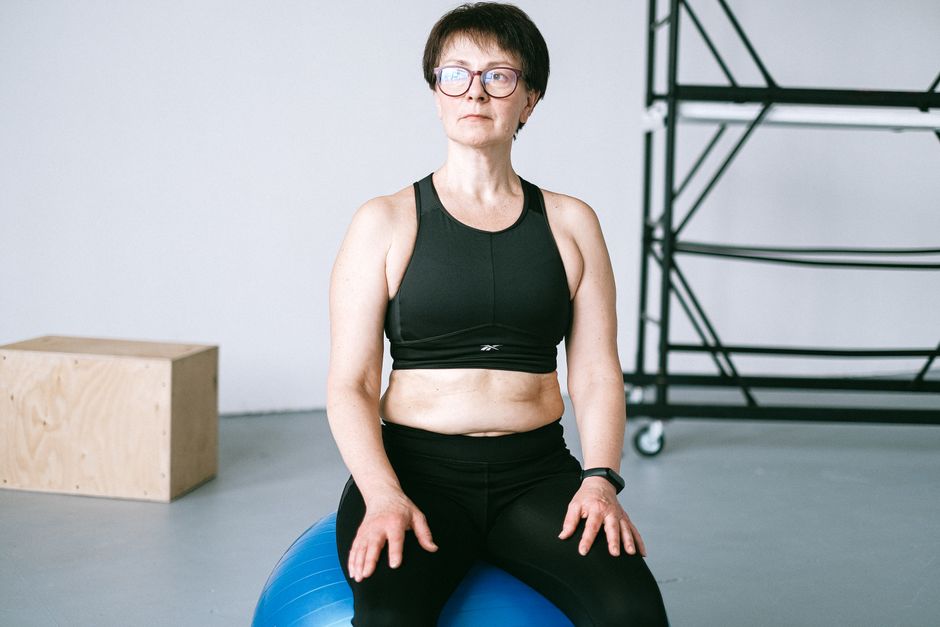
A panniculus is a fold of skin and fat that hangs down from the lower belly. It can develop after major weight loss, during pregnancy, or with long-term obesity, and it is measured in grades that describe how far it hangs. The main health concerns are skin infections, poor wound healing, and mechanical strain on the back and joints.
What Is a Panniculus?
The word panniculus comes from Latin and simply means “a little garment” or “covering.” In medicine, it refers to the apron of tissue that hangs from the lower abdomen when skin and fat lose their support and droop downward.
Doctors sometimes describe it using a grading system based on where the lowest point of the fold reaches:
- Grade 1: The fold hangs down to the pubic hairline.
- Grade 2: The fold covers the pubic area.
- Grade 3: The fold reaches the upper thigh.
- Grade 4: The fold extends to the mid-thigh.
- Grade 5: The fold reaches the knees or below.
This grading helps surgeons and clinicians plan care and assess risk. It is not a measure of health on its own. A person with a grade 1 panniculus can have serious skin problems, while someone with a higher grade may have no symptoms at all.
What Causes a Panniculus to Form?
A panniculus forms when skin and underlying tissue stretch beyond their ability to spring back. Several situations can lead to this.
Major weight loss. This is the most common cause. When someone loses a large amount of weight — whether through diet, exercise, or bariatric surgery — the skin that stretched to cover the larger body often does not shrink back fully. The result is a hanging fold. The amount of loose skin depends on how much weight was gained, how long it was carried, genetics, age, and how fast the weight came off.
Pregnancy. The abdomen stretches significantly during pregnancy. After delivery, the skin and muscles may not return to their previous position, especially after multiple pregnancies or when weight gain was high.
Obesity. Carrying excess weight for years stretches the skin and weakens the connective tissue that holds it in place. The fold can develop gradually and worsen over time.
Genetics and age. Some people have skin that is more elastic than others. Collagen and elastin — the proteins that give skin its stretch and snap — decline naturally with age. This means older adults are more likely to develop a panniculus after weight changes.
It is worth being clear about one thing: a panniculus is not a sign of laziness or poor discipline. It is a structural change in tissue that no amount of exercise can reverse. Exercise strengthens muscle underneath, but it does not tighten loose skin.
What Health Risks Are Linked to a Panniculus?
The risks fall into a few categories: skin problems, wound issues, and mechanical strain.
Skin infections and irritation
The fold creates a warm, dark, moist space where skin rubs against skin. This environment is ideal for fungal and bacterial growth. A condition called intertrigo — inflammation of skin folds — is common. It causes redness, itching, and sometimes a foul odor.
Fungal infections like candida and dermatophyte infections can take hold in the fold. Bacterial infections can also develop, and they may be harder to clear because the area stays moist and irritated. Without treatment, these infections can spread or become chronic.
Good hygiene helps, but it is not always enough. The fold itself traps moisture, so even careful cleaning may not prevent recurring problems.
Wound healing and surgical risk
Skin in a panniculus is often under tension and poorly oxygenated. If a wound develops — from a scratch, an insect bite, or a surgical incision — it may heal slowly. The risk of infection in that wound is higher than in flat skin.
Surgeons consider a large panniculus a risk factor for complications after abdominal surgery. Wound dehiscence, where an incision pulls apart, is more likely when a heavy fold puts pressure on the surgical site. This is one reason some patients are advised to address the panniculus before or during certain procedures.
Mechanical strain
The weight of the fold pulls forward on the spine and can contribute to low back pain. It can also make it harder to walk, exercise, or bend comfortably. Some people develop a rash or chronic irritation where the fold rubs against clothing or the thighs.
In severe cases, a very large panniculus can interfere with daily activities like urination, hygiene, and mobility. This is sometimes called a disabling panniculus, and it is one situation where surgery may be considered medically necessary rather than cosmetic.




How Is a Panniculus Treated?
Treatment depends on symptoms and goals. Not everyone with a panniculus needs intervention.
Skin care. For mild cases, keeping the fold clean and dry can reduce infections. Clinicians often recommend drying the area thoroughly after bathing, using absorbent powders or barrier creams, and treating active infections with antifungal or antibacterial medications. These measures manage symptoms but do not remove the fold.
Weight management. Losing additional weight can reduce the size of the fold, but it does not tighten skin. In fact, further weight loss can sometimes make the fold more noticeable as the underlying fat shrinks.
Surgery. The only way to remove a panniculus is surgically. A panniculectomy removes the hanging skin and fat. It is different from a tummy tuck (abdominoplasty), which also tightens abdominal muscles and repositions the navel. A panniculectomy is typically done for functional reasons — recurring infections, difficulty with hygiene, or interference with movement. An abdominoplasty is often cosmetic but can also address functional issues.
Surgery carries risks: infection, fluid collection, poor wound healing, and blood clots. People with a large panniculus may have a higher risk of complications because of the tissue environment. A surgeon will assess overall health, weight stability, and other factors before recommending a procedure.
Insurance coverage for panniculectomy varies. Some plans cover it if there is documented medical need, such as chronic infections or functional impairment. Cosmetic abdominoplasty is usually not covered.
Can a Panniculus Be Prevented?
Prevention is not always possible, but some steps may reduce the risk or severity.
Maintaining a stable weight avoids the repeated stretching and shrinking that damages skin elasticity. If weight loss is needed, losing it gradually may give skin more time to adapt — though this is not guaranteed, and the evidence here is limited. Some research suggests that slower weight loss may lead to less loose skin, but results vary and no large trials have confirmed a clear benefit.
During pregnancy, healthy weight gain within guidelines may reduce the strain on abdominal skin. Genetics still play a large role.
Once a panniculus has formed, no cream, exercise, or device has been shown to remove it. Products marketed for “tightening loose skin” have no strong clinical evidence behind them.
When Should You See a Doctor?
Talk to a healthcare provider if you notice:
- Recurring redness, itching, or odor in the fold
- Skin that is painful, warm, or draining pus
- A wound that is not healing
- Difficulty keeping the area clean
- Back pain or mobility problems related to the fold
These signs may indicate an infection or another issue that needs treatment. A clinician can also discuss whether surgery is an option and whether it might be covered by insurance.
Frequently Asked Questions
Is a panniculus the same as a tummy tuck?
No. A panniculus is the hanging fold of skin and fat itself. A tummy tuck is a surgical procedure that removes excess skin and tightens abdominal muscles.
Can exercise get rid of a panniculus?
No. Exercise strengthens muscles under the skin but does not tighten loose skin. Surgery is the only way to remove a panniculus.
Does a panniculus always cause health problems?
No. Some people have no symptoms. Others develop skin infections, wound healing issues, or back pain. The risk depends on the size of the fold and individual factors.
Is panniculectomy covered by insurance?
Sometimes. Insurance may cover it if there is documented medical need, such as chronic infections or difficulty with daily activities. Cosmetic procedures are usually not covered.
