
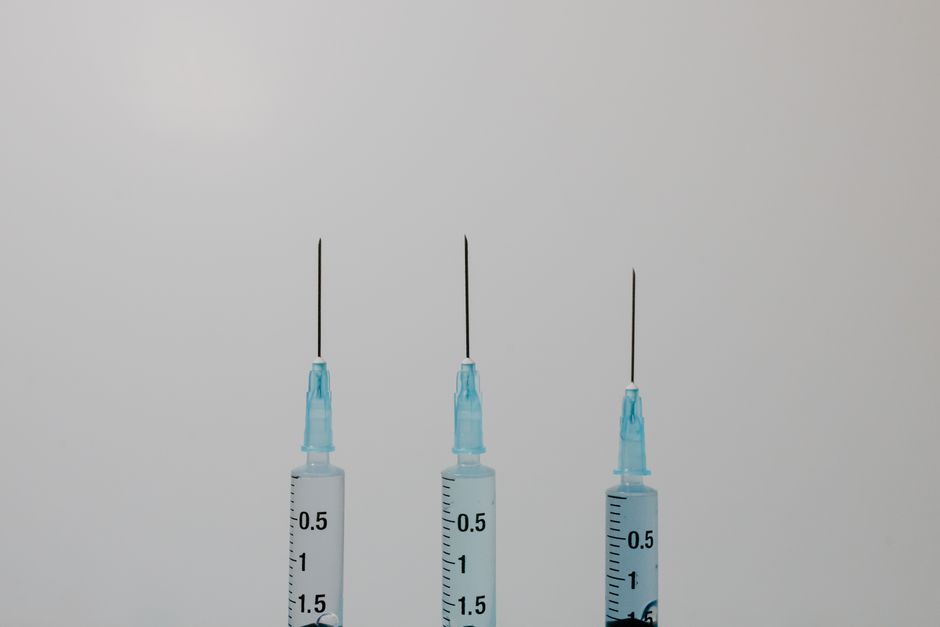
A pain shot is a general term for any injection given to relieve pain. It can mean a local anesthetic for a minor procedure, a corticosteroid injection for joint inflammation, or a nerve block for more significant pain. The type of shot, the procedure, and the risks vary widely depending on what is being treated and which medication is used.
What Is A Pain Shot Types Procedure And Risks?
A pain shot is not one single treatment. It is a category that includes several different medical procedures. The most common types are local anesthetics, corticosteroids, and nerve blocks. Each works differently and serves a different purpose.
Local anesthetics numb a specific area for a short time. Corticosteroids reduce inflammation in joints or tissues. Nerve blocks interrupt pain signals traveling along specific nerves. The procedure for each type is different, and so are the risks.
What Are The Main Types Of Pain Shots?
There are several distinct categories of pain injections used in medical practice. Knowing the difference helps you understand what your doctor is recommending and why.
Local Anesthetics are used for short-term pain relief during procedures. Lidocaine and bupivacaine are common examples. They block nerve signals in a small area, making the region numb for a few hours. Dentists use them for fillings, and doctors use them for stitching wounds.
Corticosteroid Injections are anti-inflammatory medications. They are commonly given for arthritis, bursitis, and tendonitis. The steroid reduces swelling in the joint or soft tissue, which can relieve pain for weeks or months. These are often called “cortisone shots.”
Nerve Blocks target specific nerves to stop pain signals from reaching the brain. They can be used for chronic pain conditions, surgery recovery, or specific nerve pain. Some nerve blocks are temporary, lasting hours, while others use medication that lasts longer.
Trigger Point Injections are used for muscle pain. A doctor injects a local anesthetic or saline directly into a tight band of muscle tissue. This is a common treatment for myofascial pain syndrome.
How Is A Pain Shot Procedure Performed?
The procedure depends entirely on the type of injection. A simple local anesthetic takes minutes. A spinal injection or nerve block may take longer and require imaging guidance.
For a local anesthetic, the doctor cleans the skin and injects the medication directly into the area. The numbing effect starts within minutes. No imaging is needed.
For a corticosteroid injection, the doctor locates the joint or inflamed area. They may use ultrasound to guide the needle precisely. The medication is injected directly into the joint space or surrounding tissue. The procedure takes about 10 to 15 minutes.
For a nerve block, the procedure is more involved. The doctor uses ultrasound or X-ray guidance to find the exact nerve. They then inject medication around that nerve. This can take 20 to 45 minutes depending on the location.
Most pain shots are done in a doctor’s office or outpatient clinic. You do not need general anesthesia. The area may be numbed with a topical cream first to reduce discomfort from the needle.





What Conditions Are Pain Shots Used For?
Pain shots are used for both acute and chronic pain. The specific condition determines which type of injection is appropriate.
Common uses include:
- Osteoarthritis of the knee, hip, or shoulder
- Rheumatoid arthritis flare-ups
- Tendonitis or bursitis
- Sciatica or nerve root irritation
- Post-surgical pain management
- Migraine and headache disorders
- Chronic back or neck pain
- Muscle spasms and myofascial pain
Each condition responds differently to treatment. A knee arthritis flare may respond well to a corticosteroid injection. A migraine may respond to a nerve block targeting the occipital nerve. The key is matching the right injection to the right condition.
What Are The Risks And Side Effects?
All pain shots carry some risk, but serious complications are rare. The most common side effects are temporary and mild.
Common side effects include pain at the injection site, swelling, redness, and a temporary increase in pain for a day or two. This is sometimes called a “steroid flare.” It usually resolves on its own.
Infection is a risk with any injection that breaks the skin. The risk is low when proper sterile technique is used. Signs of infection include increasing redness, warmth, fever, and drainage from the injection site.
Bleeding or bruising can occur, especially in people taking blood thinners. Tell your doctor about all medications you take before the procedure.
Nerve damage is a rare but serious risk. It can happen if the needle directly injures a nerve. This is why doctors use imaging guidance for complex injections.
Allergic reactions to the medication are possible. Discuss any known allergies with your doctor before the procedure.
Corticosteroid-specific risks include skin thinning, weakening of nearby tendons, and increased blood sugar levels. People with diabetes should monitor their blood sugar closely after a steroid injection. Repeated steroid injections in the same joint can damage cartilage over time.
How Long Does Pain Relief Last?
Duration of relief varies by injection type and condition. Local anesthetics wear off within hours. Corticosteroid injections can provide relief for weeks to months. Nerve blocks vary widely depending on the medication used and the condition treated.
For joint arthritis, a single corticosteroid injection may provide relief for six to twelve weeks. Some people get several months of relief. Others get little benefit. Response is individual and depends on the severity of the condition.
For nerve blocks, some provide relief for days, others for months. Repeated injections may be needed for chronic conditions. The goal is often to provide a window of pain relief that allows physical therapy or other treatments to work.
No pain shot is a permanent cure. These injections treat symptoms, not the underlying cause of the pain. They are most effective when combined with other treatments like physical therapy, exercise, and medication management.
What Are The Alternatives To Pain Shots?
Pain injections are one option among many. Some people are not good candidates for injections, and others prefer to try other approaches first.
Oral medications include over-the-counter options like ibuprofen and acetaminophen, as well as prescription medications. These can be effective for mild to moderate pain.
Physical therapy strengthens muscles and improves joint function. It can reduce pain without injections or surgery. Many doctors recommend physical therapy before or alongside injections.
Topical treatments like creams and patches deliver medication through the skin. These have fewer systemic side effects than oral medications.
Surgery is considered when conservative treatments fail. Joint replacement, spinal surgery, or nerve decompression may be options for severe cases.
Lifestyle changes like weight loss, exercise, and improved posture can reduce pain. These changes may not work alone but can enhance other treatments.
The evidence for complementary approaches like acupuncture is mixed. Some studies show benefit for certain conditions, others do not. Discuss any complementary treatment with your doctor.
When Should You Not Get A Pain Shot?
Some people should not receive certain pain injections. Your doctor will evaluate your medical history before recommending one.
Active infection is a contraindication. If you have an infection in the area to be injected, or a systemic infection, the injection should be postponed.
Bleeding disorders or use of blood thinners increase bleeding risk. Your doctor may adjust your medication schedule or choose a different treatment.
Uncontrolled diabetes is a concern with corticosteroid injections because they raise blood sugar. Your doctor can help you manage this if an injection is necessary.
Pregnancy requires special consideration. Some medications used in pain injections are not well studied in pregnant women. No clinical guidelines currently exist for this population for most pain injections. Your doctor will weigh the risks and benefits carefully.
Allergy to the specific medication is a clear contraindication. Always inform your doctor about known allergies.
Frequently Asked Questions
Does a pain shot hurt?
Most people feel a brief sting or burning sensation during the injection itself. The discomfort lasts only a few seconds, and the area often becomes numb shortly after.
How many pain shots can you get in one year?
There is no universal limit, but doctors generally avoid giving the same joint more than three to four corticosteroid injections per year. Repeated injections can damage cartilage and surrounding tissues.
Can you drive after getting a pain shot?
It depends on the type of injection and the medication used. Simple joint injections rarely affect driving, but nerve blocks can cause temporary weakness or numbness that makes driving unsafe. Ask your doctor before you leave the office.
What should I avoid after a pain shot?
Avoid strenuous activity for 24 to 48 hours after the injection. Do not soak the injection site in water for the first day. Follow your doctor’s specific aftercare instructions, as they vary by injection type.
