
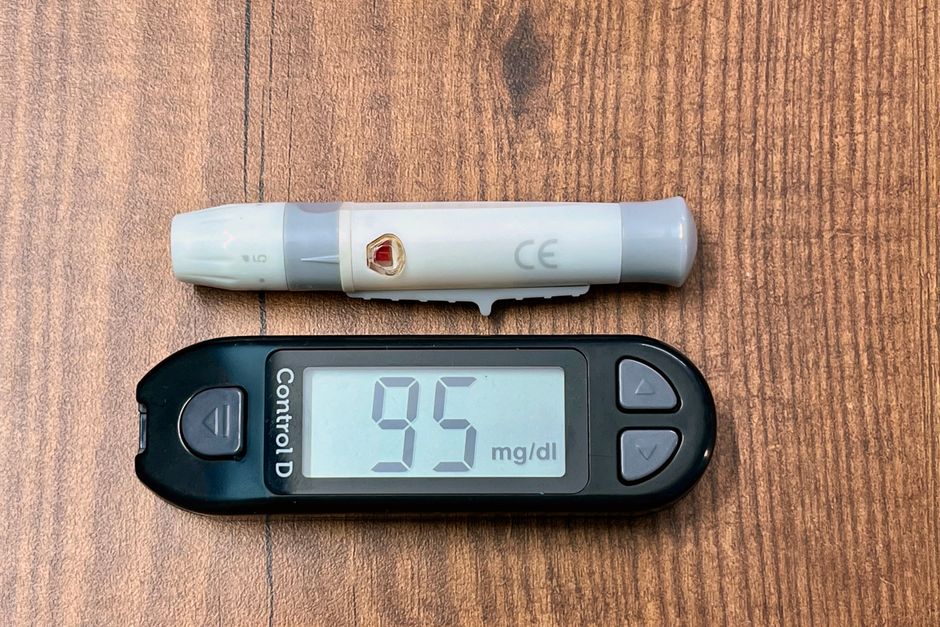
Checking your urine for ketones is a quick way to see if your body is burning fat for fuel instead of glucose. A normal ketone level in urine is essentially zero, or “negative,” meaning no ketones are detected. When your body shifts to burning fat, ketones spill into your urine, and the level rises depending on how much fat your body is using for energy.
What Is A Normal Ketone Level In Urine
A normal result on a urine ketone test is negative, meaning the test strip shows no color change. This indicates your body is using glucose for energy, which is the standard state for most people eating a typical diet.
Ketones appear in urine when your body cannot use glucose for energy and switches to burning fat. This happens most commonly during fasting, very low carbohydrate diets, prolonged exercise, or when insulin is insufficient in people with diabetes.
How Are Urine Ketone Levels Measured?
Urine ketone tests use small plastic strips with a chemical pad on the end. You dip the strip into a fresh urine sample, wait the time specified on the package, and compare the pad color to a chart on the bottle.
The test measures a specific type of ketone called acetoacetate. This is one of three ketone bodies your liver produces, along with beta-hydroxybutyrate and acetone. Acetoacetate is the one that shows up most readily in urine.
Results are typically reported in one of two ways:
- As a color scale from negative to large
- As a millimolar concentration range, such as trace, small, moderate, or large
Most home test strips report results as trace, small, moderate, or large rather than exact numbers. A trace result is generally around 5 mg/dL, while a large result can be 160 mg/dL or higher, depending on the specific brand of test strip.
What Do Different Urine Ketone Levels Mean?
Trace or small amounts of ketones in urine often appear after a period of not eating, like overnight or between meals. This is generally not a concern for healthy people and simply reflects normal metabolic shifts.
Moderate to large amounts of ketones in urine require more attention. For people without diabetes, this level usually indicates significant fat burning from fasting, a ketogenic diet, or intense exercise.
For people with diabetes, moderate or large ketones are a warning sign. This can indicate the body is not getting enough insulin to use glucose properly, which can lead to a dangerous condition called diabetic ketoacidosis.
Ketone levels in urine do not perfectly match ketone levels in blood. Urine reflects what your body produced hours ago, not what is happening right now. Blood ketone meters measure beta-hydroxybutyrate and give a real-time reading, making them more accurate for clinical decisions.





Normal Ketone Levels in Different Situations
Context matters when interpreting urine ketone results. What is normal for one person may be concerning for another.
| Situation | Expected Urine Ketone Result |
|---|---|
| Typical mixed diet | Negative |
| Overnight fast | Negative to trace |
| Prolonged fasting or ketogenic diet | Small to large, depending on adaptation |
| Intense exercise | Trace to small |
| Type 1 diabetes with insulin deficiency | Moderate to large, medical attention needed |
People following a ketogenic diet often aim for moderate ketone levels, but urine testing becomes less useful over time. After several weeks on a ketogenic diet, the body adapts and excretes fewer ketones in urine even though blood ketone levels remain elevated. This adaptation can make urine tests misleadingly low for people who have been in ketosis for a long time.
When Should You Be Concerned About Urine Ketones?
If you have diabetes, especially type 1 diabetes, any moderate or large urine ketone reading warrants attention. This is particularly important if your blood sugar is also elevated, generally above 240 mg/dL.
Signs that ketones are reaching dangerous levels include:
- Nausea or vomiting
- Abdominal pain
- Fruity-smelling breath
- Rapid breathing
- Confusion or difficulty concentrating
These symptoms combined with high ketones can indicate diabetic ketoacidosis, which requires urgent medical care. If you have diabetes and develop these symptoms, contact your healthcare provider immediately or seek emergency care.
For people without diabetes, moderate or large ketones from dieting or fasting are rarely dangerous. However, anyone who is pregnant should discuss ketone testing with their healthcare provider, as ketones during pregnancy require special consideration.
Why Urine Ketone Testing Has Limitations
Urine ketone testing is simple and inexpensive, but it has real limitations that matter for interpretation.
Hydration levels affect results. If you are dehydrated, your urine is more concentrated and ketone levels may read higher than they actually are. If you drink a lot of fluids, dilute urine can show falsely low ketone levels.
Time of day also matters. Morning urine is typically more concentrated and may show higher ketone levels than urine later in the day. For consistent tracking, testing at the same time each day is more useful than comparing results from different times.
Some medications and supplements can interfere with urine ketone test results. Certain blood pressure medications and some supplements containing vitamin C can cause false readings. If you take regular medications, ask your pharmacist whether they might affect urine ketone testing.
Urine ketone strips also expire. Using expired strips can give inaccurate results, so check the expiration date on the bottle before testing.
Blood Ketone Testing vs. Urine Ketone Testing
Blood ketone meters measure beta-hydroxybutyrate, which is the primary ketone your body produces and uses for energy. This measurement is more accurate and reflects current metabolic state rather than what happened hours ago.
Blood testing is generally recommended for people with diabetes who need to make medical decisions based on ketone levels. Many diabetes management guidelines suggest blood ketone testing when ketone levels need to be precise, such as during illness or when blood sugar is persistently high.
Urine testing remains useful for people who are simply tracking dietary ketosis or confirming that their body has shifted to fat burning. It is less expensive than blood testing and does not require finger pricks.
For people using urine tests to monitor a ketogenic diet, the main limitation is the adaptation effect mentioned earlier. After several weeks in ketosis, urine ketone levels drop even though the body is still burning fat effectively. This does not mean the diet has stopped working, only that the body has become more efficient at using ketones rather than excreting them.
How to Test Your Urine Ketones Correctly
Getting an accurate reading starts with proper technique. Wash your hands before handling the test strips and make sure the strip is not expired.
Collect a fresh urine sample in a clean container, or pass the strip directly through your urine stream. The test pad needs to be fully wet but should not be held in the stream for more than a few seconds.
Shake off excess urine and wait the exact time specified on the product instructions, usually 15 to 40 seconds. Reading the strip too early or too late can give inaccurate results.
Compare the test pad to the color chart on the bottle in good lighting. Store the strips in their original container with the lid tightly closed, away from heat and moisture.
Frequently Asked Questions
What does a trace amount of ketones in urine mean?
A trace result indicates your body has started burning some fat for energy, often after a period without food. For most people this is harmless and resolves once you eat.
Can you have ketones in urine without being on a keto diet?
Yes, ketones can appear after fasting, intense exercise, or any time your body needs an alternative fuel source. Illness, vomiting, or poor food intake can also trigger ketone production.
How long after eating do ketones disappear from urine?
Ketones typically clear from urine within a few hours after eating carbohydrates. The exact time depends on how many carbs you eat and how quickly your body shifts back to using glucose for energy.
Are urine ketone strips accurate for monitoring a keto diet?
Urine strips are accurate for confirming your body has entered ketosis, but they become less reliable after several weeks as your body adapts. Blood ketone meters give more consistent readings for long-term dietary tracking.
