
A mental block is a sudden inability to think clearly, recall information, or perform a task you normally handle with ease. It feels like your mind has “gone blank” or hit a wall, even though you know the material or have done the task many times before. These blocks are usually temporary and are often triggered by stress, anxiety, fatigue, or a specific psychological response to pressure.
What Is A Mental Block? Causes And How To Break Through
A mental block is a psychological barrier that interrupts your normal thought process. It is not a sign of low intelligence or a lack of ability. It is a functional glitch in how your brain accesses stored information or initiates a familiar action.
When you experience a block, the information is still in your brain. The problem is retrieval. Under stress, the brain’s threat detection system can override the logical thinking centers, making it hard to access memories or execute complex motor skills. This is why a musician might freeze on stage or a student might blank on an exam question they studied the night before.
What Causes a Mental Block?
Several well-documented factors contribute to mental blocks. Most involve a combination of psychological stress and physical state.
Stress and Anxiety
Stress is the most common trigger. When you feel threatened, your body releases cortisol and adrenaline. These hormones prepare you for physical danger, but they impair the prefrontal cortex—the part of the brain responsible for concentration, decision-making, and working memory. In a high-stakes situation, this response can shut down your ability to think clearly.
Fatigue and Sleep Deprivation
Your brain consolidates memories and clears metabolic waste during deep sleep. Without enough sleep, your reaction time slows, your focus drops, and your memory retrieval becomes unreliable. Mental blocks are far more likely to occur when you are running on empty.
Perfectionism and Fear of Failure
When the stakes feel high, the fear of making a mistake can be paralyzing. Perfectionists often experience blocks because their internal critic is so loud that it drowns out the creative or logical flow. The brain becomes focused on avoiding error rather than producing output.
Information Overload
Having too many competing thoughts or tasks at once can overwhelm your working memory. Your brain can only hold a limited amount of information at one time. When you exceed that capacity, processing slows down and can stop entirely.
Negative Self-Talk and Past Experiences
If you have failed at a similar task before, your brain may associate the task with failure. This creates a loop of anxiety and avoidance. The mental block becomes a protective mechanism, even if it is not helpful.
How to Break Through a Mental Block
Breaking through a block requires shifting your brain out of threat mode and back into problem-solving mode. These strategies are supported by research in cognitive psychology and sports psychology.
Change Your Physical State
Move your body. Stand up, walk around, or do a few stretches. Physical movement increases blood flow to the brain and helps reduce stress hormones. Even a two-minute walk can reset your focus.
Deep breathing also works. Slow, deliberate breaths activate the parasympathetic nervous system, which calms the body’s stress response. Try inhaling for four counts, holding for four, and exhaling for six.
Lower the Stakes Temporarily
Tell yourself you are just going to write a rough draft, sketch an outline, or make a list. Give yourself permission to produce something imperfect. The goal is to get words or actions moving. You can always edit or improve later.
Break the Task Into Smaller Pieces
A large task can feel overwhelming and trigger a block. Break it down into a single, manageable step. Instead of “write the report,” focus on “open the document and write the title.” Completing a tiny step often creates enough momentum to continue.
Change Your Environment
If you are stuck at your desk, move somewhere else. A different room, a coffee shop, or a park bench can provide new sensory input that helps your brain shift gears. Sometimes the block is tied to the location where you are trying to work.
Use Free Association or Brainstorming
Write down every thought you have about the topic, no matter how silly or off-topic it seems. Do not judge or edit. This process bypasses the critical part of your brain and lets ideas flow. Often, a relevant thought emerges from the noise.





Mental Blocks vs. Burnout: Knowing the Difference
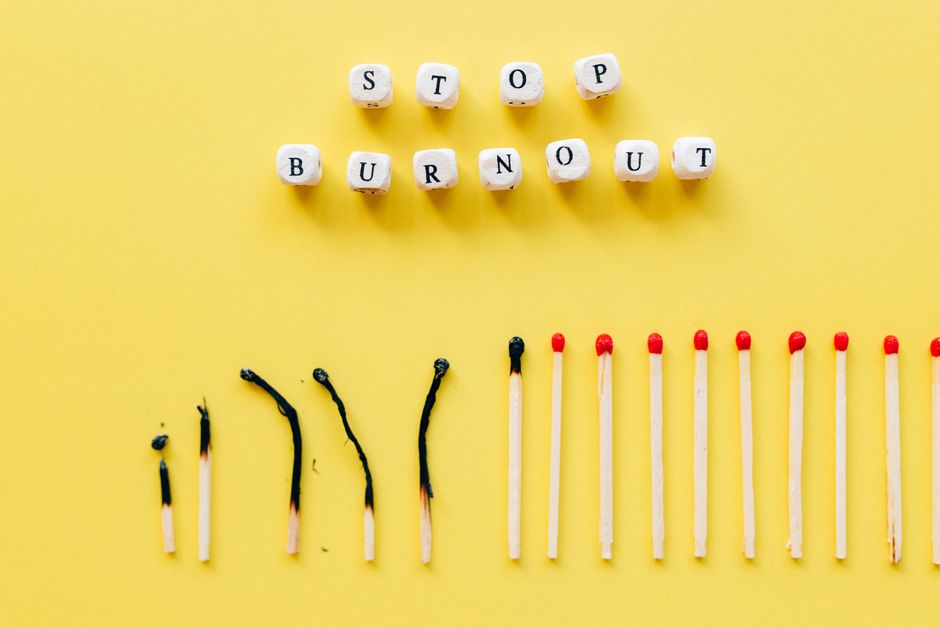
It is important to distinguish a temporary mental block from burnout. A mental block is usually specific to a task or situation and resolves within minutes, hours, or days. Burnout is a chronic state of physical and emotional exhaustion caused by prolonged stress.
Burnout involves persistent fatigue, cynicism toward work, and a reduced sense of accomplishment. If you feel blocked all the time, across many areas of your life, you may be dealing with burnout rather than isolated mental blocks. Burnout requires a different approach—rest, boundaries, and often professional support—rather than a quick technique to push through.
If you regularly experience mental blocks that interfere with work or daily life, or if you feel persistently exhausted and detached, consider speaking with a healthcare provider or mental health professional.
Can Mental Blocks Be Prevented?
You cannot eliminate all mental blocks, but you can reduce how often they happen. Prevention focuses on maintaining a healthy brain and managing stress before it peaks.
- Prioritize sleep: Most adults need 7 to 9 hours of quality sleep per night for optimal cognitive function.
- Take regular breaks: Working for 90 minutes followed by a short break aligns with your brain’s natural attention cycles.
- Stay physically active: Regular exercise improves blood flow to the brain and supports memory and executive function.
- Practice mindfulness: Regular mindfulness practice can reduce reactivity to stress and improve focus over time.
- Prepare for high-stakes moments: If you have a big presentation or exam, rehearse under conditions similar to the real event. Familiarity reduces the stress response.
These habits do not guarantee you will never freeze up again. But they build a more resilient brain that is less likely to hit a wall under pressure.
When to Seek Professional Help
Occasional mental blocks are normal. But if they are frequent, severe, or worsening, they may point to an underlying condition that needs attention.
Attention deficit hyperactivity disorder (ADHD) can cause chronic difficulties with focus and task initiation that look like mental blocks. Anxiety disorders can also produce recurring cognitive freezes. Depression can slow thinking and memory to the point where simple tasks feel impossible.
If mental blocks are affecting your relationships, job performance, or quality of life, talk to a doctor or a licensed therapist. They can assess whether an underlying condition is present and recommend appropriate treatment. There is no shame in seeking help—these are treatable conditions, not personal failures.
Frequently Asked Questions
How long does a mental block last?
A mental block is usually temporary, lasting anywhere from a few minutes to a few days. If it persists for weeks or affects multiple areas of your life, it may be a sign of burnout or an underlying condition.
Can anxiety cause mental blocks?
Yes, anxiety is one of the most common causes of mental blocks. Stress hormones can interfere with working memory and concentration, making it hard to think clearly under pressure.
Are mental blocks a sign of a brain problem?
In most cases, no. Mental blocks are a normal response to stress, fatigue, or overload. However, frequent and severe blocks can sometimes be linked to ADHD, anxiety disorders, or depression, so a professional evaluation is worthwhile if they are disruptive.
What is the fastest way to get past a mental block?
Changing your physical state is the fastest approach. Stand up, move around, or take several slow deep breaths to calm your nervous system, then lower the stakes by working on a small, imperfect first step.
