
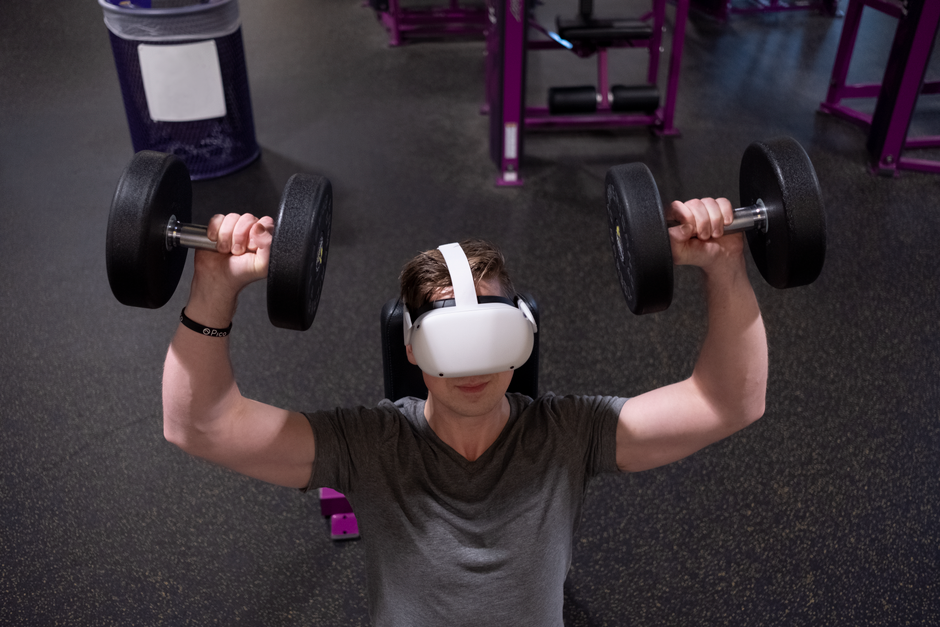
Mixed reality blends the physical world you see with digital objects you can interact with in real time. The key feature is that virtual content stays anchored to your actual environment, so a digital image behaves as if it truly exists in the room with you. This is different from virtual reality, which replaces your entire world, and augmented reality, which simply overlays information without deep interaction.
What Is A Key Feature Of Mixed Reality?
The defining feature of mixed reality is the ability for digital and physical objects to interact with each other. A virtual ball can roll off your real table and land on your real floor. A digital character can sit on your actual couch. This interaction is possible because the headset maps your physical space in three dimensions and tracks your position within it continuously.
This is called spatial mapping and spatial anchoring. The device creates a digital model of your room, including walls, floors, and furniture. It then locks virtual objects to specific points in that model. When you walk around, the objects stay in place relative to the room, not relative to your head. This creates a convincing sense that the digital items genuinely share your space.
How Is Mixed Reality Different From Augmented Reality?
Augmented reality, or AR, places digital information on top of your view of the real world. The most common example is a smartphone game where a digital character appears on your kitchen floor. The character sits there, but it does not meaningfully interact with the physical environment. It does not hide behind your table or respond to the light in your room.
Mixed reality goes further. The digital object understands the geometry of your space. It knows where the wall is, so it can block your view of an object behind it. It knows where the floor is, so it can cast a shadow. This environmental understanding is what separates mixed reality from simpler AR experiences. Some industry experts treat AR and mixed reality as points on the same spectrum, but the interaction with physical space is the meaningful distinction.
What Hardware Does Mixed Reality Require?
True mixed reality requires a headset with sensors that scan your environment. These sensors include cameras and depth detectors that build a real-time 3D map of your surroundings. The headset also needs inside-out tracking, which means it tracks your head movement using those same cameras rather than external sensors placed around the room.
Current mixed reality headsets include the Microsoft HoloLens and the Apple Vision Pro. These devices contain multiple cameras, infrared sensors, and accelerometers working together. The processing happens on the device itself, not on a connected computer. This is important because the system must update the 3D map and render digital objects with very low delay. Any lag between your head movement and the digital image will cause motion sickness and break the illusion.
Hand tracking is another essential component. Most mixed reality headsets let you reach out and grab virtual objects with your actual hands. The cameras track your fingers and translate their movement into the virtual space. This direct manipulation is a core part of what makes the experience feel real rather than like watching a screen.





What Are The Practical Uses Of Mixed Reality?
Mixed reality has found its strongest uses in professional and industrial settings. Surgeons can view CT scans projected directly onto a patient’s body during an operation. The digital image aligns with the physical anatomy, helping the surgeon see structures beneath the skin. This is a genuine clinical application that some hospitals have adopted, though it remains an emerging area of practice.
Manufacturing and engineering teams use mixed reality to review product designs. A car prototype can be projected at full size in a design studio. Engineers walk around it, open virtual doors, and inspect components as if the vehicle physically existed. This reduces the need for expensive physical prototypes during early design stages.
Training is another strong use case. Emergency responders can practice complex rescue scenarios with realistic digital hazards placed in their actual training environment. The digital fire spreads realistically around physical obstacles, and the trainee must respond as they would in a real emergency. Some research suggests this type of training improves skill retention compared to traditional instruction, though results vary across studies.
What Are The Current Limitations?
The technology still has meaningful limitations. Field of view is a significant one. Most mixed reality headsets only project digital images into a limited portion of your vision, similar to looking through a window. Objects outside that window simply disappear, which breaks the illusion of a continuous mixed world.
Battery life is another constraint. The sensors, cameras, and processors demand significant power. Most headsets run for one to three hours of active use before needing a recharge. This limits their usefulness for extended work sessions or long training exercises.
Cost remains a barrier for widespread adoption. Professional-grade mixed reality headsets cost several thousand dollars. Consumer devices have dropped in price, but they still represent a significant investment compared to a smartphone or a standard computer monitor.
There is also the question of visual comfort. Some users report eye strain after extended use. The eyes must constantly refocus between real objects at varying distances and digital objects rendered at a fixed focal distance. This mismatch can cause fatigue, and some research has documented headaches and nausea in a subset of users. The long-term effects of regular mixed reality use are not yet fully understood.
What Does The Future Of Mixed Reality Look Like?
The direction of the technology is toward smaller, lighter headsets with wider fields of view. Researchers are working on waveguide displays that can project images across a larger portion of the lens. Some companies are exploring light field displays that would let your eyes focus naturally on digital objects at different depths, potentially reducing eye strain.
Artificial intelligence is likely to play a larger role in environmental understanding. Future systems may recognize specific objects rather than just surfaces. A headset could understand that a particular object is a coffee cup and respond accordingly when you place a virtual object near it. This level of semantic understanding would make interactions more natural and useful.
There is also movement toward mixed reality glasses rather than headsets. Several major technology companies are developing lightweight glasses that could be worn all day. These would have more limited capabilities than current headsets but would remove the bulk and social awkwardness of wearing a large device. Whether these glasses can deliver a true mixed reality experience with meaningful spatial interaction remains to be seen.
Is Mixed Reality Safe For Everyday Use?
Mixed reality is generally safe for short sessions in a controlled environment. The main risks are physical, not digital. If you cannot see your real surroundings clearly, you may trip over furniture or walk into walls. Even with passthrough cameras that show your real environment, the visual delay can cause disorientation. It is wise to use these devices in a cleared space, especially when you are new to them.
There are no established clinical guidelines for maximum daily use of mixed reality headsets. The evidence on long-term effects is limited because the technology is relatively new. If you experience dizziness, headache, or eye strain, stop using the device and rest. These symptoms typically resolve quickly once the headset is removed.
Children and pregnant women should use mixed reality with extra caution. No clinical studies have confirmed the safety of these devices for developing eyes or for pregnancy. If you fall into either category, it is reasonable to limit use until more research is available.
Frequently Asked Questions
What equipment do I need for mixed reality?
You need a mixed reality headset with built-in cameras and depth sensors. These devices scan your room and track your head movement without external equipment.
Can I use mixed reality without a computer?
Yes, most current mixed reality headsets are self-contained. They process everything on the device itself, so no computer or phone is required.
Does mixed reality cause motion sickness?
Some users experience motion sickness, especially during the first few sessions. The sensation usually decreases with repeated use, but not everyone adapts fully.
Is mixed reality the same as virtual reality?
No. Virtual reality replaces your entire environment with a digital one. Mixed reality keeps your real environment visible and adds digital objects that interact with it.
