
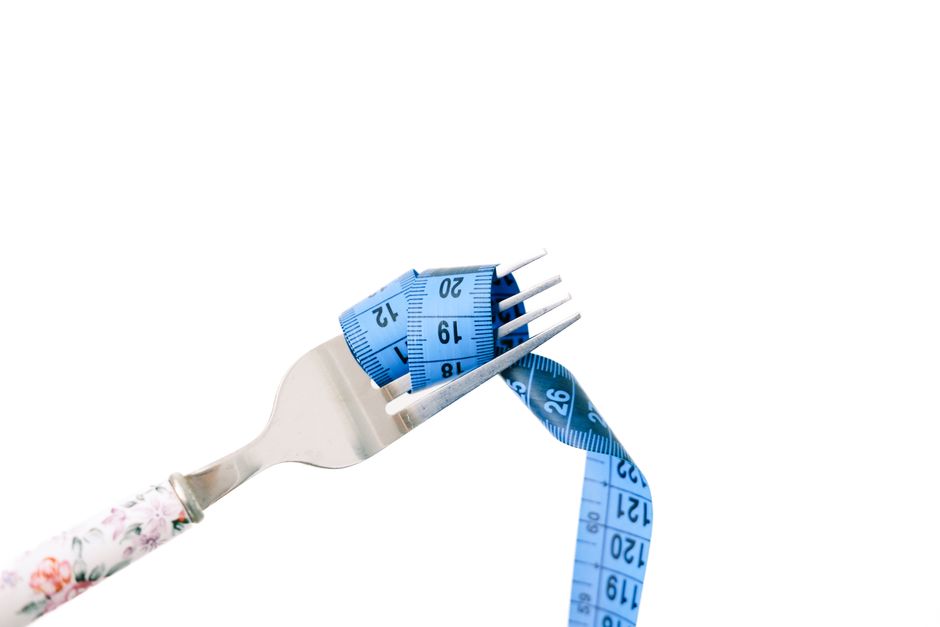
One pound of body fat equals about 3,500 calories. That number has been the standard rule for decades. In terms of size, one pound of fat takes up roughly the volume of a small grapefruit or a can of soda. It is about the size of a fist. These numbers are useful to know, but the full story is more complicated.
How Many Calories Are in One Pound of Fat Exactly?
The 3,500-calorie rule comes from a 1958 study by researcher Max Wishnofsky. He calculated that one pound of human fat tissue contains roughly 87% pure fat. That works out to about 3,500 calories. This number has been used in weight loss guidelines for over 60 years.
But there is a catch. Human fat tissue is not 100% fat. It also contains water, protein, and connective tissue. Pure fat itself holds about 4,100 calories per pound. The 3,500 figure accounts for the non-fat components in real body fat.
Research published in the International Journal of Obesity has updated this thinking. The actual calorie deficit needed to lose one pound of fat may be closer to 3,000 to 3,500 calories depending on individual factors. Your body composition, metabolism, and diet composition all play a role.
The important point is this: 3,500 is a useful estimate, not a precise law. Using it as a strict daily target can lead to frustration. Your body adjusts its energy use as you lose weight, which changes the math over time.
How Big Is One Pound of Fat Visually?
One pound of fat takes up about 350 cubic centimeters of space. That is roughly the size of a medium grapefruit or a 12-ounce soda can. It is also similar to two sticks of butter placed side by side.
Fat is less dense than muscle. One pound of muscle looks noticeably smaller than one pound of fat. Muscle is about 18% denser than fat. This is why two people at the same weight can look completely different depending on their body composition.
To picture five pounds of fat, imagine a standard bag of sugar plus a little extra. Ten pounds of fat is roughly the size of a large bowling ball. These visual comparisons matter because they make weight loss goals feel more real. Losing ten pounds means removing a bowling-ball-sized mass from your body.
Keep in mind that fat loss does not happen evenly. Some people lose fat from their face and upper body first. Others lose from the hips and thighs. Genetics determine the order, not your exercise choices.
Does the 3,500-Calorie Rule Actually Work for Weight Loss?
The 3,500-calorie rule works well as a starting point. If you cut 500 calories per day from your diet, you would expect to lose about one pound per week. Many people do see results with this approach.
But the rule breaks down over longer periods. Your body fights weight loss by slowing your metabolism. The more weight you lose, the fewer calories your body burns at rest. A study in Obesity Reviews found that the body adapts to calorie restriction by reducing energy expenditure by 10 to 15 percent.
This means the first five pounds may come off close to the 3,500-calorie prediction. The next five pounds will likely require a larger deficit than expected. Your body becomes more efficient at using fewer calories, which is a survival mechanism from our evolutionary past.
Another issue is that not all weight lost is pure fat. Rapid weight loss often includes water weight and muscle tissue. Losing muscle lowers your resting metabolic rate further, making continued weight loss even harder. The 3,500-calorie rule assumes all weight lost is fat, which is rarely true in practice.





What Factors Change How Many Calories It Takes to Lose a Pound?
Several factors alter the actual calorie deficit needed to lose one pound of fat. Your starting body weight is one of the biggest. A person weighing 250 pounds burns more calories at rest than someone weighing 150 pounds. Their calorie deficit will produce faster initial weight loss.
Your diet composition matters too. A high-protein diet preserves muscle during weight loss. More muscle means a higher resting metabolic rate. The American Journal of Clinical Nutrition published research showing that protein intake above 1.6 grams per kilogram of body weight helps maintain lean mass during calorie restriction.
Sleep and stress levels also play a role. Chronic stress raises cortisol levels, which can cause your body to hold onto fat. Poor sleep disrupts hunger hormones like ghrelin and leptin, making it harder to stick to a calorie deficit. These factors do not change the 3,500-calorie math directly, but they affect how consistently you can maintain a deficit.
Exercise type matters too. Cardio burns calories during the activity but has minimal effect on resting metabolism afterward. Strength training builds muscle, which raises your resting calorie burn permanently. A combination of both approaches works best for long-term fat loss.
How Much Is One Pound Of Fat Calories And Size Compared to Muscle?
One pound of fat and one pound of muscle weigh exactly the same. They both weigh one pound. The difference is in volume and metabolic activity.
One pound of fat takes up about 350 cubic centimeters. One pound of muscle takes up about 290 cubic centimeters. That is roughly 18% less space. This explains why someone who replaces fat with muscle through exercise may not lose weight on the scale but will look leaner and fit into smaller clothes.
Muscle also burns more calories at rest than fat does. One pound of muscle burns about 6 to 7 calories per day at rest. One pound of fat burns only about 2 to 3 calories per day. This difference adds up over time. Adding five pounds of muscle raises your resting metabolism by roughly 30 to 35 calories per day.
This is why focusing solely on the scale can be misleading. A better approach is to track body measurements, how your clothes fit, and your energy levels. These markers give you a more complete picture of body composition changes than weight alone.
What Does the Research Say About Safe Fat Loss Rates?
The CDC recommends losing 1 to 2 pounds per week for safe, sustainable weight loss. This corresponds to a daily calorie deficit of 500 to 1,000 calories. Losing weight faster than this often leads to muscle loss, gallstones, and nutritional deficiencies.
Research in Obesity journal found that people who lose weight slowly are more likely to keep it off long-term. Rapid weight loss triggers stronger metabolic adaptations that make weight regain more likely. The body interprets fast weight loss as starvation and responds by conserving energy.
Very low-calorie diets under 800 calories per day should only be done under medical supervision. These diets can cause rapid weight loss but come with significant risks including electrolyte imbalances and heart rhythm problems. The National Institutes of Health recommends these diets only for people with obesity who need rapid weight loss for medical reasons.
A realistic goal is losing 0.5 to 1 percent of your body weight per week. For a 200-pound person, that means 1 to 2 pounds per week. This rate allows your body to adapt gradually and reduces the risk of metabolic slowdown.
Common Misconceptions About Fat Loss and Calories
One common myth is that spot reduction works. You cannot target fat loss from specific areas of your body. Doing hundreds of crunches will not burn belly fat specifically. Fat loss happens systemically, and genetics determine where it comes off first.
Another misconception is that eating late at night causes fat gain. Research shows that total calorie intake matters more than meal timing. Eating at night can lead to weight gain if it causes you to eat more total calories, but the clock itself does not change how your body stores fat.
Some people believe that all calories are equal for fat loss. This is partially true but oversimplified. A calorie from protein and a calorie from sugar both contain the same energy. But protein has a higher thermic effect, meaning your body burns more calories digesting it. Protein also keeps you fuller longer, which helps you eat fewer total calories.
The idea that you must cut 3,500 calories to lose exactly one pound is also oversimplified. Your body adapts to calorie restriction. The first pound may come off with a 3,000-calorie deficit, but the tenth pound may require a 4,000-calorie deficit due to metabolic slowdown.
| Component | Calories Per Pound | Volume (Cubic CM) | Metabolic Rate (Cal/Day at Rest) |
|---|---|---|---|
| Pure Fat | 4,100 | ~350 | 2-3 |
| Body Fat Tissue | 3,500 | ~350 | 2-3 |
| Muscle Tissue | 600-700 | ~290 | 6-7 |
What to Avoid When Trying to Lose Fat
Avoid extreme calorie restriction. Eating fewer than 1,200 calories per day for women or 1,500 for men often backfires. Your body lowers its metabolic rate, and you lose muscle along with fat. The weight loss slows down, and you feel hungry and tired.
Avoid relying on exercise alone for fat loss without adjusting your diet. Exercise burns fewer calories than most people think. A 30-minute run burns about 250 to 350 calories for an average person. That is less than a single fast-food meal. Diet changes produce larger and more reliable calorie deficits.
Avoid cutting out entire food groups without a medical reason. Low-carb diets work for some people, but they are not superior to other approaches for fat loss. The Journal of the American Medical Association published a study showing that low-carb and low-fat diets produce similar weight loss results over one year when total calories are controlled.
Avoid weighing yourself daily. Body weight fluctuates by 2 to 4 pounds throughout the day due to water retention, food intake, and digestion. Daily weigh-ins cause unnecessary stress and can make you think you are not making progress when you actually are. Weekly weigh-ins at the same time of day give a more accurate picture.
Frequently Asked Questions
How many calories do I need to cut to lose one pound of fat?
You need a total deficit of about 3,500 calories to lose one pound of body fat. This is best achieved over a week by cutting 500 calories per day.
Is one pound of fat loss noticeable?
One pound of fat loss is usually not noticeable on your body. It takes about 3 to 4 pounds of fat loss before most people see a visible difference in their appearance.
Can you lose a pound of fat in one day?
Losing one pound of pure fat in one day is not possible safely. A 3,500-calorie deficit in 24 hours would require extreme measures that cause muscle loss and health risks.
Does losing one pound of fat change your weight on the scale?
Yes, losing one pound of fat will show as one pound less on the scale. But daily water fluctuations can hide this change, so weekly weigh-ins are more reliable.
