
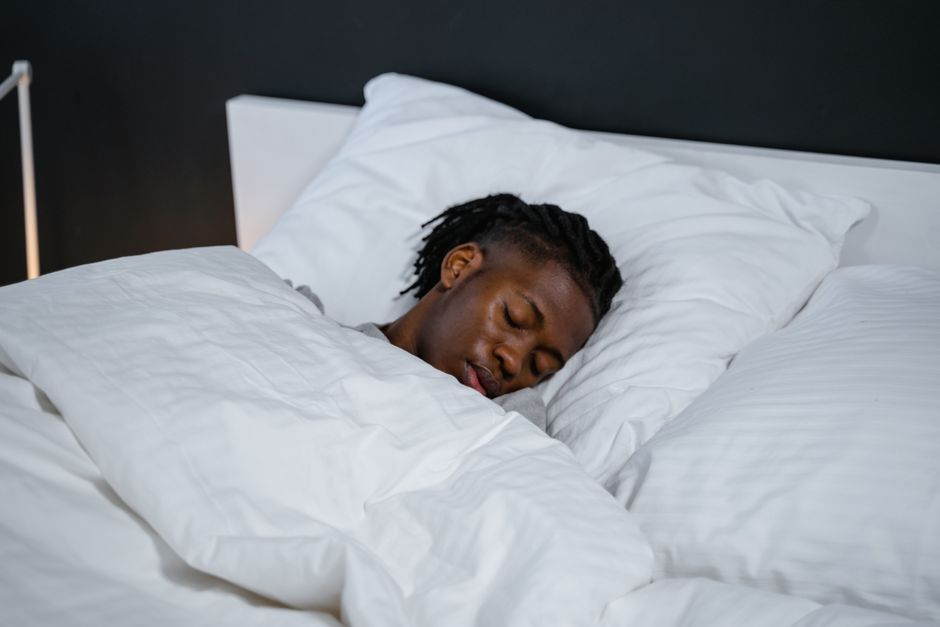
Your sleeping position shapes how your spine rests for seven to nine hours each night. The best sleeping position is one that keeps your head, neck, and spine in a neutral line—essentially the same alignment you have when standing up straight. For most people, that means sleeping on your back or side, not on your stomach.
What Is A Good Sleeping Position?
The short answer is that no single position works perfectly for everyone. Your ideal position depends on your health conditions, your comfort, and your mattress.
Still, the evidence points to a clear hierarchy. Back sleeping distributes your weight evenly and keeps your spine in the most natural alignment. Side sleeping is a close second and often the best choice for people with snoring or sleep apnea. Stomach sleeping is the hardest on your spine because it forces your neck to rotate to one side for hours.
What matters most is keeping your spine straight. When your head is propped too high or your hips twist, your muscles work overtime all night. That leads to morning stiffness and pain over time.
Why Does Sleeping Position Matter for Your Spine?
Your spine has natural curves. There is a curve in your neck, one in your mid-back, and one in your lower back. Good sleeping posture supports all three curves without forcing any of them flat or into an exaggerated arch.
When you sleep on your back, your spine rests in its natural position. Your head needs a pillow that fills the space between your neck and the mattress—not one that tilts your chin toward your chest or pushes your head too far back.
Side sleepers need a thicker pillow to keep their neck level with their mid-spine. If your pillow is too thin, your head drops toward the mattress and your neck bends sideways. If it is too thick, your neck bends upward. Either way, you wake up stiff.
Stomach sleeping forces your neck into rotation for hours. Your head is turned to one side, which puts strain on the joints in your upper neck. This position also flattens the natural curve in your lower back, which can contribute to low back pain.
Best Sleeping Positions for Back Pain
If you wake up with a sore back, your sleeping position deserves attention. The research consistently shows that back and side sleeping are better for back pain than stomach sleeping.
Back sleeping with a pillow under your knees is a common recommendation. The pillow slightly flexes your hips and takes pressure off your lower back. This position helps maintain the natural curve of your lumbar spine.
Side sleeping with a pillow between your knees also helps. The pillow keeps your top leg from dropping forward and twisting your pelvis. When your pelvis stays level, your lower spine stays neutral.
Some studies suggest that sleeping on your side is the most common position among adults, but many people shift positions throughout the night. You may start on your back and end up on your side. That is normal and not a problem as long as both positions keep your spine reasonably straight.





Best Sleeping Positions for Snoring and Sleep Apnea
Sleeping on your back often makes snoring worse. When you lie face-up, gravity pulls your soft palate and tongue backward, narrowing your airway. This is called supine-position snoring, and it is well documented.
Side sleeping keeps your airway more open. For people with mild obstructive sleep apnea, side sleeping can reduce the number of breathing pauses compared to back sleeping. Some clinicians recommend positional therapy—training yourself to stay on your side—as part of a broader treatment plan.
If you snore regularly or have been told you stop breathing during sleep, talk to a doctor. Sleeping position alone is not a treatment for moderate or severe sleep apnea. Continuous positive airway pressure (CPAP) therapy and other medical treatments are the established options for that condition.
For occasional snoring without other symptoms, switching to your side is a reasonable first step. A body pillow can help you stay in that position through the night.
Best Sleeping Positions for Acid Reflux and Heartburn
Nighttime acid reflux happens when stomach acid travels up your esophagus while you lie flat. Gravity works against you when you are horizontal.
Sleeping on your left side is the best position for acid reflux. Research shows that left-side sleeping keeps the junction between your stomach and esophagus above the level of stomach acid. Right-side sleeping actually makes reflux worse because it relaxes the lower esophageal sphincter and allows acid to pool near the opening.
Elevating the head of your bed also helps. Raising the head end by about six to eight inches uses gravity to keep acid in your stomach. Extra pillows under your head alone are not as effective because they bend your torso at the waist, which increases abdominal pressure.
If you have frequent nighttime heartburn, mention it to your healthcare provider. Frequent reflux can damage your esophagus over time, and you may need more than position changes to manage it.
Best Sleeping Positions for Pregnancy
Sleeping on your left side is the standard recommendation during pregnancy, especially in the second and third trimesters. This position improves blood flow to the uterus and kidneys by keeping the weight of the baby off your major blood vessels.
Your inferior vena cava runs along the right side of your spine and returns blood from your lower body to your heart. Lying flat on your back in late pregnancy can compress this vessel, which may reduce blood flow to you and your baby.
Side sleeping, particularly on the left, avoids this compression. Placing a pillow between your knees and another under your belly can make side sleeping more comfortable as your pregnancy progresses.
You do not need to panic if you wake up on your back. Waking up on your back occasionally is common and not considered dangerous. But making side sleeping your default position is the safest choice.
How to Choose the Right Pillow and Mattress
Your pillow matters more than most people realize. The right pillow depends entirely on your sleeping position.
Back sleepers need a thin-to-medium pillow that supports the curve of the neck without propping the head too high. Side sleepers need a firmer, thicker pillow to fill the space between the ear and the outside of the shoulder. Stomach sleepers need a very thin pillow—or none at all—to keep the neck from bending backward.
Mattress firmness also plays a role. A medium-firm mattress is the most common recommendation for back pain, although individual preference matters. A mattress that is too soft lets your hips sink and misaligns your spine. One that is too firm creates pressure points at your shoulders and hips.
There is no universal mattress that works for everyone. The best test is how you feel in the morning. If you wake up without pain, your setup is working.
Tips for Staying in a Good Position All Night
Most people move several times during the night. You may fall asleep on your back and wake up on your stomach. That is normal, but you can encourage better positions.
A body pillow can help side sleepers stay put. Placing it behind your back prevents you from rolling onto your back during the night. A pillow between your knees keeps your hips level.
For people who want to avoid back sleeping, some clinicians suggest sewing a tennis ball into the back of a pajama shirt. The discomfort reminds you to roll over. This technique is simple and has been used for years, though it is a behavioral trick rather than a medical treatment.
If you are trying to change your sleeping position, give it time. Your body is used to its old habits, and new positions can feel strange for a week or two. Gradual changes work better than forcing a completely new position overnight.
Frequently Asked Questions
What is the healthiest sleeping position?
Back sleeping is generally the healthiest because it keeps your spine in neutral alignment and distributes weight evenly. Side sleeping is a strong alternative, especially for snoring, sleep apnea, acid reflux, and pregnancy.
Is it bad to sleep on your stomach?
Stomach sleeping is the hardest position on your spine because it forces your neck to rotate for hours. It also flattens the natural curve of your lower back, which can contribute to pain.
What is the best sleeping position for lower back pain?
Back sleeping with a pillow under your knees and side sleeping with a pillow between your knees are both good options. Both positions keep your pelvis level and support the natural curve of your lower spine.
Which side should you sleep on for acid reflux?
Left-side sleeping is best for acid reflux because it keeps the stomach-to-esophagus junction above the level of stomach acid. Right-side sleeping can make reflux worse.
