
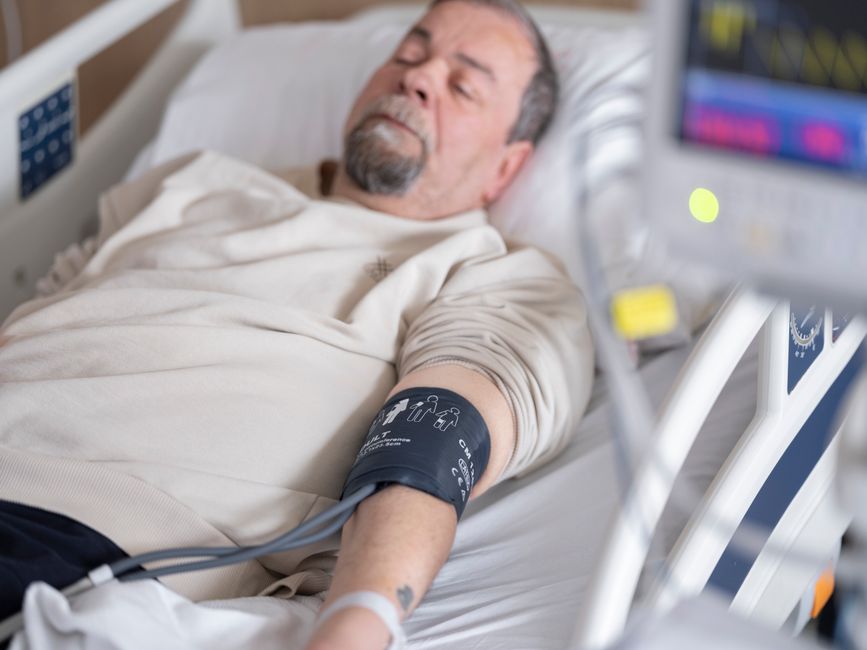
A normal resting blood pressure for most adults is below 120/80 mmHg. This target applies to nearly every adult over 18, regardless of age. The “by age” part matters far less than most people think, and the official guidelines reflect that. While blood vessels naturally stiffen as we get older, the medical community no longer gives older adults a “pass” on higher numbers. If your blood pressure is 130/80 mmHg or higher, it is considered elevated or high, even if you are 70 years old.
This is a major shift from older medical thinking. Decades ago, doctors often added 100 to your age to estimate an acceptable systolic number. That approach is gone. Modern research consistently shows that higher blood pressure damages organs at any age, and treating it in older adults reduces heart attacks, strokes, and death. The question is not really “what is normal for my age” but “what is the safest target for my health.”
What Is A Good Resting Blood Pressure By Age?
The American College of Cardiology and the American Heart Association define normal blood pressure as less than 120/80 mmHg for all adults aged 18 and older. This is the standard used by most doctors in the United States. The same guideline applies whether you are 35 or 85, with one important exception for very frail older adults.
The table below shows the official blood pressure categories. These are the numbers your doctor uses to diagnose and treat high blood pressure.
| Category | Systolic (top number) | Diastolic (bottom number) |
|---|---|---|
| Normal | Less than 120 | AND less than 80 |
| Elevated | 120–129 | AND less than 80 |
| High (Stage 1) | 130–139 | OR 80–89 |
| High (Stage 2) | 140 or higher | OR 90 or higher |
| Crisis (seek care) | Higher than 180 | AND/OR higher than 120 |
For adults over 65, the treatment target is slightly different from the diagnosis threshold. Most healthy older adults should aim for a blood pressure below 130/80 when treated. However, for adults over 65 who are frail, live in nursing homes, or have multiple chronic conditions, doctors may set a more relaxed goal. In these cases, a systolic pressure between 130 and 140 may be acceptable. This is a clinical decision made by a doctor, not a general rule you should apply to yourself.
Why Do Blood Pressure Numbers Rise With Age?
Blood pressure naturally tends to climb as you age, but that does not make it normal or safe. The primary driver is arterial stiffness. Over decades, the large arteries lose elasticity. The walls become thicker and less flexible, so the heart has to push harder to move blood through the body. This raises the systolic number, the top number that measures pressure during a heartbeat.
The diastolic number, the bottom number, often rises until around age 50 or 55, then levels off or even drops. This is why isolated systolic hypertension — high top number with normal bottom number — is the most common form of high blood pressure in older adults. By age 60, roughly two-thirds of people with high blood pressure have this pattern.
Other age-related changes contribute as well. The kidneys become less efficient at regulating salt and fluid, which can raise blood volume and pressure. The baroreceptors, sensors that help the body adjust blood pressure quickly, become less responsive. Over time, these changes push numbers upward unless lifestyle or medication intervenes.
Is 130/80 Normal For A 70 Year Old?
No. A blood pressure of 130/80 is classified as Stage 1 high blood pressure for a 70-year-old, just as it is for a 40-year-old. The guidelines do not create separate categories for older adults. Research consistently shows that reducing blood pressure below 130/80 in adults over 65 lowers the risk of heart failure, stroke, and cardiovascular death.
The SPRINT trial, a major study funded by the National Institutes of Health, helped cement this approach. It found that treating older adults to a systolic target of 120 rather than 140 significantly reduced cardiovascular events and death. The trial was stopped early because the benefit was so clear. This evidence reshaped how doctors treat blood pressure in older patients.
That said, the 120 target is not right for everyone. The SPRINT trial excluded adults with diabetes, prior stroke, or heart failure. It also excluded people living in nursing homes. For these groups, the evidence is less clear. Some older adults experience dizziness, falls, or kidney issues when blood pressure drops too low. The key point is that 130/80 is not “normal for your age” — it is a medical condition that deserves a conversation with your doctor about the best treatment target for you.


What About Blood Pressure In Children And Teens?
Blood pressure standards for children and teens under 13 are completely different. There is no single “normal” number. Instead, doctors compare a child’s blood pressure to percentiles based on age, sex, and height. A reading in the 90th percentile or higher is considered elevated. At or above the 95th percentile is classified as high blood pressure.
This system exists because children’s bodies are growing, and blood pressure naturally increases as they get taller and older. A number that is normal for one child may be high for another of the same age but different height. Pediatricians use growth charts and specific tables to make this determination.
For teens 13 and older, the adult guidelines apply. A teenager with blood pressure of 130/80 or higher has high blood pressure, just like an adult. High blood pressure in children and teens is increasingly common, largely driven by rising rates of childhood obesity. It is not a condition that only affects older people.
How Should You Measure Your Resting Blood Pressure?
Accurate home measurement requires more than just strapping on a cuff. The reading needs to reflect your true resting blood pressure, not the temporary spike caused by walking up stairs or feeling stressed. The standard protocol is straightforward but often ignored.
Sit quietly for five minutes before taking a reading. Place your feet flat on the floor and rest your arm on a table so the cuff is at heart level. Do not talk during the measurement. Take two readings one minute apart and record both. Measure at the same time each day, typically morning and evening. Avoid caffeine, exercise, and smoking for at least 30 minutes beforehand. An empty bladder matters too — a full bladder can raise your reading by as much as 10 mmHg.
The cuff size also matters. A cuff that is too small can overestimate blood pressure by 10 to 40 mmHg. Most home monitors come with a standard cuff, but if your upper arm circumference is larger or smaller than average, you may need a different size. Check the cuff’s range on the packaging and measure your arm to confirm the fit.
Wrist and finger monitors are generally less accurate than upper-arm monitors. If you use a wrist monitor, position it at heart level during measurement. Even then, upper-arm devices remain the preferred choice for home monitoring.
What Lifestyle Changes Actually Lower Blood Pressure?
Lifestyle changes can lower blood pressure substantially, but they require consistency. The DASH diet, which stands for Dietary Approaches to Stop Hypertension, is one of the most studied dietary patterns for blood pressure. It emphasizes fruits, vegetables, whole grains, lean protein, and low-fat dairy while limiting sodium, red meat, and added sugars. Some studies show it can lower systolic blood pressure by 8 to 14 mmHg.
Reducing sodium is a key component. Most Americans consume far more sodium than the recommended limit. The general guidance is to stay under 2,300 mg per day, with a target of 1,500 mg for people with high blood pressure or those at higher risk. Processed foods and restaurant meals are the biggest sources, not the salt shaker.
Regular aerobic exercise lowers blood pressure by several points. The general recommendation is at least 150 minutes of moderate-intensity activity per week. That breaks down to about 30 minutes most days. Walking, cycling, and swimming all count. Resistance training twice weekly adds additional benefit.
Weight loss has a clear dose-response effect. Losing even 5 to 10 pounds can lower blood pressure in people who are overweight. Alcohol reduction matters too. For men, the limit is two drinks per day; for women, one drink per day. Exceeding these limits raises blood pressure. Smoking cessation is essential because smoking causes an immediate spike in blood pressure and damages arteries over time.
When Should You Worry About A High Reading?
A single high reading at home is not a medical emergency. Blood pressure fluctuates throughout the day based on activity, stress, and even conversation. One reading of 140/90 does not mean you have high blood pressure. It means you should monitor it over several days and report the pattern to your doctor. The diagnosis of hypertension is typically based on multiple readings taken on separate occasions.
There are exceptions. A reading of 180/120 or higher is a hypertensive crisis and requires immediate medical attention, especially if accompanied by chest pain, shortness of breath, back pain, numbness, vision changes, or difficulty speaking. These symptoms can indicate organ damage and require emergency care. If the reading is above 180/120 but you feel completely fine, wait five minutes and recheck. If it remains that high, contact your doctor or seek medical care that day.
Frequently Asked Questions
What is a normal blood pressure for a 60 year old?
Normal is below 120/80 mmHg, the same as for any adult. Treatment targets for a 60-year-old are typically below 130/80, though your doctor may adjust this based on your overall health.
Is 150/90 dangerous for an older person?
Yes, 150/90 is Stage 2 high blood pressure and increases the risk of stroke, heart attack, and kidney damage at any age. It should be evaluated and treated by a doctor promptly.
Can home blood pressure monitors be inaccurate?
Yes, home monitors can be inaccurate if the cuff is the wrong size or the device is not validated. Bring your monitor to a doctor’s visit to compare its readings against the office equipment.
Does anxiety cause high blood pressure readings?
Yes, anxiety can temporarily raise blood pressure, sometimes significantly. This is called white coat hypertension when it happens in a medical setting, and it does not necessarily mean you have chronic high blood pressure.
