
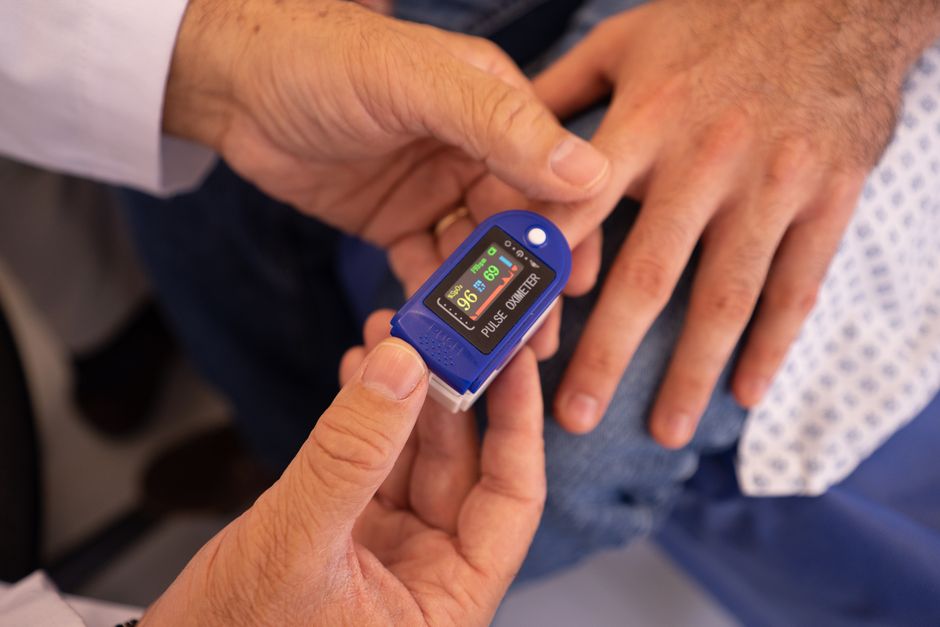
A good oxygen reading for most healthy adults is between 95% and 100% on a pulse oximeter. This device clips onto your finger and measures the oxygen saturation level in your blood, often written as SpO2. A reading of 94% or lower may signal a problem and should be discussed with a healthcare provider, especially if you have lung or heart conditions.
How Does a Pulse Oximeter Measure Oxygen?
A pulse oximeter uses light to estimate how much oxygen your red blood cells are carrying. It shines light through your skin and measures how much is absorbed. Oxygen-rich blood absorbs light differently than oxygen-poor blood. The device calculates the percentage of hemoglobin that is saturated with oxygen.
This measurement is a practical estimate, not a direct count. It is considered highly accurate when the device is working properly and placed on a good spot, like a finger. Most medical-grade devices are accurate within 2% to 3% of the true value.
The test is painless and takes only a few seconds. It has become a standard tool in hospitals and at home because it provides fast information about your respiratory status.
What Is A Good Oxygen Reading for Different People?
For a healthy person at sea level, a normal resting oxygen saturation is 95% to 100%. This range applies to most adults without chronic lung disease. If you are healthy and your reading drops below 95%, it is worth checking again after a few minutes of rest.
People with chronic conditions may have different normal ranges. For example, someone with chronic obstructive pulmonary disease (COPD) may have a baseline reading of 88% to 92%. For these individuals, a “good” reading is one that matches their usual baseline and does not drop suddenly. Your doctor can tell you what your personal target should be.
At higher altitudes, normal readings are lower. At elevations above 8,000 feet, a reading of 90% to 92% may be normal for some people. This is because the air has less oxygen, not because something is wrong with your lungs.
What Does a Low Oxygen Reading Mean?
A reading below 90% is considered low and requires medical attention. This condition is called hypoxemia, which means your blood is not carrying enough oxygen to meet your body’s needs. Symptoms may include shortness of breath, rapid breathing, confusion, or bluish lips and fingertips.
However, some people feel fine even with lower readings. This is especially true for those with chronic lung disease who have adapted over time. Do not rely on how you feel alone. The number matters, and a sudden drop from your baseline is always significant.
Low oxygen can be caused by many things. Common causes include pneumonia, asthma attacks, heart failure, blood clots in the lungs, and COVID-19. It can also result from anemia, where you do not have enough red blood cells to carry oxygen in the first place.





When Should You Check Your Oxygen Level?
You do not need to check your oxygen level every day if you are healthy. Routine monitoring is most useful for people with known respiratory conditions, heart disease, or those recovering from an illness that affected their lungs.
If you have a condition like asthma or COPD, your doctor may recommend checking your oxygen at home regularly. This can help catch a flare-up before it becomes severe. It can also tell you whether your medications are working well enough.
During respiratory infections, monitoring can be helpful. A slow drop in oxygen may happen before you feel noticeably short of breath. This is why doctors sometimes recommend pulse oximetry for people recovering from pneumonia or other lung infections at home.
If you check your reading and it is low, wait a few minutes and check again. Move to a different finger or hand. Make sure your hands are warm, since cold fingers can cause falsely low readings. If the reading stays below 94% and you have symptoms, seek medical care.
What Can Make a Pulse Oximeter Reading Inaccurate?
Several factors can produce a misleading reading. Nail polish, especially dark colors, can block the light and cause a false low reading. Remove nail polish from the finger you are using before testing.
Poor circulation in your hands can also affect results. Cold hands, low blood pressure, or certain medications that narrow blood vessels can make the device struggle to get a signal. Warm your hands before testing.
Movement is another common issue. If you move your hand during the measurement, the device may not get a reliable reading. Sit still and rest your hand on a flat surface while measuring.
Skin tone may also play a role. Some research suggests that pulse oximeters may overestimate oxygen levels in people with darker skin. This means a device could show a normal reading when the true value is lower. If you have darker skin and feel short of breath, do not dismiss those symptoms because the monitor looks normal.
How Is Oxygen Saturation Tested in a Medical Setting?
In a hospital or clinic, doctors use the same pulse oximetry technology. They may also order an arterial blood gas test, which is the gold standard. This test draws blood from an artery, usually at the wrist, and measures the oxygen level directly.
The arterial blood gas test gives a precise measurement of oxygen and carbon dioxide levels in your blood. It also measures blood acidity. This test is more invasive and more accurate than a pulse oximeter, but it is only used when doctors need detailed information.
For most people, a pulse oximeter provides enough information for routine monitoring. The device is reliable, portable, and suitable for home use. The key is understanding what the number means in your specific situation.
What Should You Do If Your Reading Is Low?
If your oxygen reading drops below 94% and you do not have a chronic lung condition, contact a healthcare provider. If it drops below 90%, seek emergency medical care. Do not wait for symptoms to become severe.
If you have a chronic condition like COPD, compare your reading to your usual baseline. A sudden drop of 3% or more from your typical value is a reason to call your doctor, even if the number is still in your usual range.
Do not try to raise your oxygen level with home remedies. Breathing exercises and position changes may help temporarily, but they are not treatments for hypoxemia. The underlying cause must be addressed by a medical professional.
Do not use supplemental oxygen without a prescription. Oxygen is a medical treatment. Using it incorrectly can be dangerous and can delay proper care. If a doctor prescribes oxygen for you, follow their instructions exactly.
Frequently Asked Questions
What is a dangerous oxygen level?
A reading below 90% is considered dangerous and requires immediate medical attention. Readings below 85% can cause serious damage to organs and tissues.
Is 94% oxygen level normal?
For most healthy adults, 94% is borderline low and may warrant a call to your doctor. A normal range is 95% to 100% for people without chronic lung disease.
Can a pulse oximeter give a false reading?
Yes, factors like nail polish, cold hands, movement, and poor circulation can cause inaccurate readings. Darker skin tone may also cause the device to overestimate oxygen levels.
Why does my oxygen level drop when I sleep?
Breathing naturally becomes shallower during sleep, which can cause mild dips in oxygen. Significant drops may indicate sleep apnea or another sleep-related breathing disorder that requires evaluation.
