
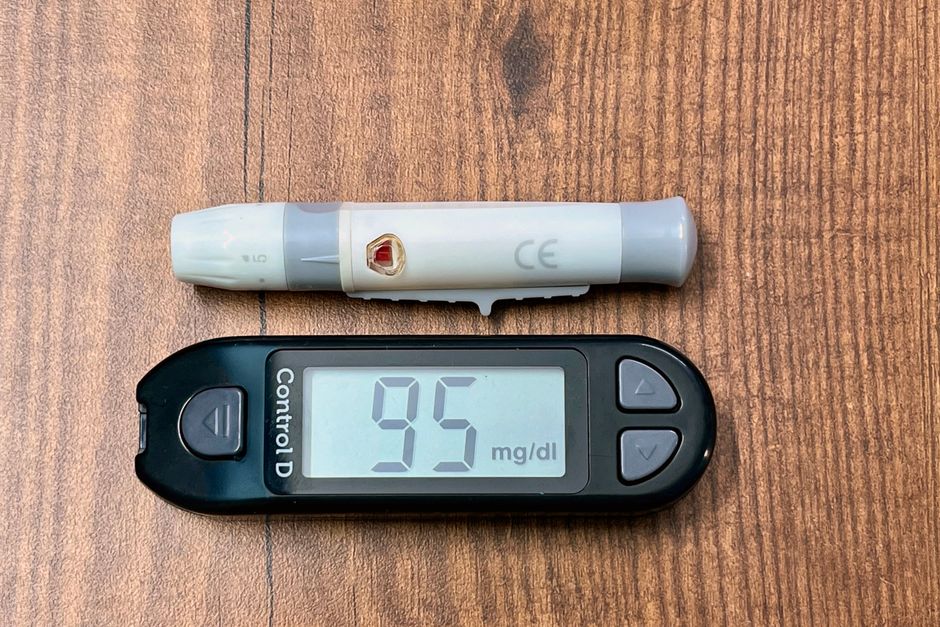
A good blood glucose reading depends on when you test. For most adults without diabetes, fasting glucose falls between 70 and 99 mg/dL, and two hours after a meal it usually stays below 140 mg/dL. For people with diabetes, target ranges are different and are set individually with a doctor.
Those numbers are the short answer. The longer answer is that “good” is not one fixed number for everyone. It shifts based on whether you have diabetes, whether you are pregnant, how old you are, and what you ate. Understanding where your reading falls and what it means matters more than chasing a single perfect figure.
What Is A Good Blood Glucose Reading For You?
For a person without diabetes, the standard reference ranges used in clinical care are well established. Fasting glucose of 70 to 99 mg/dL is considered normal. A reading of 100 to 125 mg/dL falls into the prediabetes range. A fasting level of 126 mg/dL or higher on two separate occasions supports a diagnosis of diabetes.
After eating, blood sugar rises and then comes back down. For most adults without diabetes, glucose two hours after a meal stays under 140 mg/dL. It typically returns close to baseline within two to three hours, though this varies with the size and composition of the meal.
For people with diabetes, the American Diabetes Association has historically suggested a fasting target of 80 to 130 mg/dL and a peak after-meal reading under 180 mg/dL. These are general starting points, not rules. A doctor may set tighter or looser goals depending on age, other health conditions, how long someone has had diabetes, and how often they experience low blood sugar.
One clarification worth making: a single out-of-range reading is not a diagnosis. Glucose moves constantly. Illness, stress, poor sleep, and even the time of day can push a number up or down. Patterns over time are what clinicians look at.
What Do the Numbers Actually Mean?
Blood glucose is measured in milligrams per deciliter, written as mg/dL. That is the standard unit in the United States. Most other countries use millimoles per liter, or mmol/L. To convert, multiply mmol/L by 18 to get mg/dL. So a reading of 5.5 mmol/L is about 99 mg/dL.
The table below shows the general reference ranges for adults without diabetes.
| Test | Normal | Prediabetes | Diabetes range |
|---|---|---|---|
| Fasting glucose | 70–99 mg/dL | 100–125 mg/dL | 126 mg/dL or higher |
| 2 hours after a meal | Under 140 mg/dL | 140–199 mg/dL | 200 mg/dL or higher |
| A1C (average over ~3 months) | Below 5.7% | 5.7–6.4% | 6.5% or higher |
These cutoffs come from large population studies and are used widely in clinical practice. They are not arbitrary, but they are also not sharp lines between health and disease. Someone with a fasting glucose of 99 is not in a completely different category from someone at 101. Risk rises along a continuum.
Why Does the Timing of the Test Matter?
Glucose is not a static number. It rises after you eat and falls as insulin moves sugar out of the blood and into cells. That is why the timing of a test changes what a “good” reading looks like.
A fasting reading is taken after at least eight hours without food, usually first thing in the morning. It reflects how well your body manages glucose at rest. A post-meal reading, usually taken two hours after the first bite, shows how well your body handles a glucose load.
Testing at random times without a reference point makes a number hard to interpret. A reading of 150 mg/dL means something very different two hours after a meal than it does after an overnight fast. Context is everything.




What Is a Normal Blood Sugar Level After Eating?
For adults without diabetes, blood sugar two hours after a meal is generally below 140 mg/dL. Some people peak lower, some slightly higher, and the peak often occurs around 30 to 60 minutes after eating rather than at the two-hour mark.
The composition of the meal matters. Carbohydrates raise glucose the most. Fat and protein slow digestion and can blunt or delay the peak. A meal of white rice and juice will produce a different curve than a meal of eggs, vegetables, and olive oil, even with the same total calories.
For people with diabetes, the after-meal target is often set below 180 mg/dL, though individual goals vary. Some clinicians recommend tighter control, and some recommend looser control, depending on the person. There is no single after-meal number that fits everyone.
Does a Good Reading Look Different If You Have Diabetes?
Yes. The targets for someone managing diabetes are set with a doctor and are usually higher than the targets for someone without it. This is not because higher is better. It is because pushing glucose too low carries its own serious risks, especially hypoglycemia, which can cause confusion, loss of consciousness, and in severe cases, seizures.
A common starting framework for adults with diabetes is a fasting target of 80 to 130 mg/dL and a peak after-meal reading under 180 mg/dL. But these numbers shift. An older adult with heart disease may have a higher target to avoid dangerous lows. A younger person with newly diagnosed diabetes and no other conditions may aim lower.
Pregnancy is another case where targets change. Gestational diabetes and pre-existing diabetes in pregnancy are managed with tighter goals, and the thresholds differ from those for non-pregnant adults. Anyone who is pregnant should follow the targets set by their obstetric or diabetes care team rather than general guidelines.
What Raises Blood Sugar Besides Food?
Food is the biggest driver, but it is not the only one. Several factors can push glucose up or down outside of meals.
- Stress triggers hormones like cortisol and adrenaline, which raise glucose.
- Illness or infection can raise glucose, even without eating.
- Poor sleep is linked to higher fasting glucose and worse insulin sensitivity.
- Some medications, including certain steroids, can raise blood sugar.
- Physical activity usually lowers glucose, but intense exercise can briefly raise it.
- Time of day matters. Many people run higher in the early morning due to the dawn effect, a normal rise in hormones.
This is why one high reading is not a reason to panic. If a number is consistently out of range, that pattern is what deserves attention.
When Should You Talk to a Doctor About Your Readings?
A fasting glucose of 100 to 125 mg/dL, or an A1C of 5.7% to 6.4%, falls in the prediabetes range. This is worth a conversation with a doctor. Prediabetes does not always progress to diabetes, and in many people it can be reversed or delayed with lifestyle changes.
A fasting glucose of 126 mg/dL or higher on two separate tests, or an A1C of 6.5% or higher, meets the criteria for diabetes. That does not mean you should self-diagnose from a home meter. Home meters are useful for tracking, but they are not as precise as lab tests. Diagnosis should come from a clinician using standardized lab methods.
Anyone who experiences symptoms like frequent urination, unusual thirst, blurred vision, or unexplained weight loss should see a doctor promptly. These can be signs of high blood sugar that needs evaluation.
For people already managing diabetes, the question of when to call a doctor is different. Persistent readings outside your target range, frequent low blood sugar, or readings that do not match how you feel are all reasons to check in with your care team.
Frequently Asked Questions
What is a good blood sugar level for a non-diabetic?
For most adults without diabetes, fasting glucose is 70 to 99 mg/dL and two hours after a meal it stays below 140 mg/dL. An A1C below 5.7% is also considered normal.
Is 140 mg/dL after eating too high?
A reading of 140 mg/dL two hours after a meal is at the upper edge of normal for someone without diabetes. Values between 140 and 199 mg/dL in that window fall into the prediabetes range and are worth discussing with a doctor.
What is a normal fasting blood sugar by age?
Fasting glucose reference ranges of 70 to 99 mg/dL apply to adults regardless of age. Age affects how diabetes is managed and what targets a doctor sets, not the diagnostic thresholds themselves.
Can a good reading still mean I have diabetes?
Yes, because glucose changes throughout the day and a single reading can miss a problem. Diagnosis relies on standardized lab tests such as fasting glucose, A1C, or an oral glucose tolerance test, not on one home reading.
