
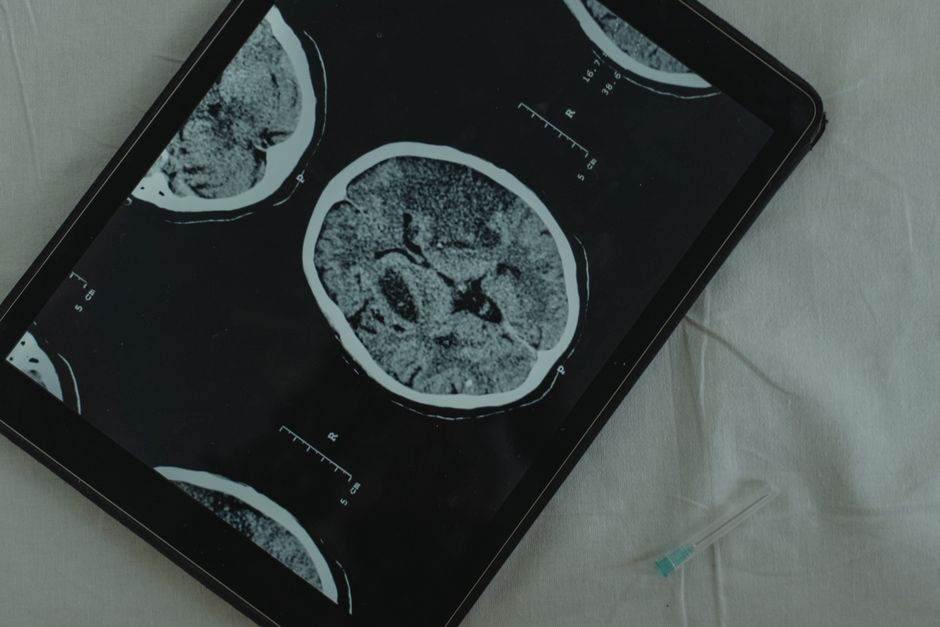
A functional neurological disorder, or FND, is a condition in which a person has genuine neurological symptoms — such as weakness, tremors, or seizures — that are not caused by damage to the nervous system itself. Instead, the problem lies in how the brain and body send and receive signals. On standard tests, the nervous system often looks structurally normal, yet the symptoms are real and can be significantly disabling.
What Is A Functional Neurological Disorder FND?
FND is a recognized diagnosis in neurology and psychiatry. The brain’s hardware — its nerves, spinal cord, and muscles — is largely intact. The issue is with the software: the way the brain generates and controls movement, sensation, and awareness.
This is not a new idea. What was once called “hysteria” or “conversion disorder” is now understood as a genuine disruption in brain network function. Modern brain imaging research has shown that in FND, areas involved in movement planning and self-agency behave differently than in people with structural neurological disease. The symptom is involuntary. The person is not faking it.
FND is common. It is one of the most frequent reasons people see a neurologist, and it accounts for a meaningful share of emergency department visits for seizure-like episodes. Despite this, it remains widely misunderstood, both by the public and sometimes by clinicians.
What Are the Most Common Symptoms of FND?
Symptoms vary widely, but they tend to cluster into a few recognizable patterns. The key feature is that symptoms are genuine and involuntary, and they often change in ways that structural disease does not.
- Motor symptoms: limb weakness, difficulty walking, tremor, abnormal posturing, or trouble speaking.
- Seizure-like episodes: events that resemble seizures but do not show the electrical brain activity of epilepsy.
- Sensory symptoms: numbness, tingling, or altered sensation, often in a pattern that does not follow nerve pathways.
- Vision and other symptoms: double vision, blurred vision, or difficulty with balance.
- Cognitive symptoms: problems with attention and memory that are often driven by distraction and fatigue.
One of the most distinctive features is variability. Symptoms may be severe one moment and nearly gone the next. They can worsen with attention and improve with distraction. This pattern is not a sign of exaggeration — it is a hallmark of how the disorder works.
How Is FND Different From Other Neurological Conditions?
The core difference is that FND does not involve structural damage to the nervous system. In conditions like stroke, multiple sclerosis, or Parkinson’s disease, there is identifiable injury or degeneration. In FND, standard imaging and tests are typically normal.
This does not mean the symptoms are less real or less serious. It means the mechanism is different. The brain is still producing the symptom, but through a disruption in function rather than through tissue damage.
Doctors look for what are called “positive signs” — physical exam findings that point toward FND rather than away from it. For example, a person may be unable to move a leg when asked, but the leg moves normally during another part of the exam. These findings are not tricks; they reflect the underlying functional nature of the condition.
| Feature | FND | Structural Neurological Disease |
|---|---|---|
| Nervous system structure | Usually normal on tests | Often shows damage or degeneration |
| Symptom pattern | Variable, distractible | More consistent, follows pathways |
| Brain imaging | Typically normal | Often abnormal |
| Response to attention | Symptoms may change with focus | Symptoms generally stable |





What Causes FND?
There is no single cause. FND is best understood as a condition that arises from a combination of factors, not a straightforward chain of cause and effect.
Many people with FND have a history of stress, trauma, or significant life events around the time symptoms begin. Others do not. Psychological stress is a common trigger, but it is not required for the diagnosis, and it is not the whole story.
Research points to several contributing factors:
- Brain network dysfunction: altered communication between regions that control movement, attention, and self-awareness.
- Attention and expectation: the brain’s own focus on a symptom can amplify it, creating a self-reinforcing loop.
- Prior injury or illness: symptoms sometimes start after a physical event, such as a minor injury or infection.
- Psychological and social factors: stress, anxiety, depression, and difficult life circumstances can contribute.
It is important to be clear: FND is not caused by a person choosing to have symptoms. It is not attention-seeking. The brain is producing the symptom outside of conscious control.
How Is FND Diagnosed?
FND is diagnosed by a neurologist, usually through a careful history and physical exam. The diagnosis is based on the presence of specific clinical signs, not on the absence of other explanations alone.
This is a shift from how medicine once approached the condition. Historically, FND was sometimes a diagnosis of exclusion — meaning everything else had to be ruled out first. Today, when typical positive signs are present, the diagnosis can be made more directly and with more confidence.
Tests such as MRI or EEG may still be ordered to rule out other conditions, especially when the presentation is unclear. But normal results are expected in FND and are part of the picture, not a reason to doubt the diagnosis.
Getting a clear diagnosis matters. Many people with FND spend years being told their tests are normal, which can feel dismissive and delay appropriate care.
What Does Treatment for FND Involve?
Treatment for FND is different from treatment for structural neurological disease. Because there is no damaged tissue to repair, the focus is on retraining brain function and addressing contributing factors.
The most established approach is specialist physiotherapy for motor symptoms. This is not general physical therapy — it is a specific method that uses distraction, redirection, and movement retraining to help the brain regain normal control. Research has found this approach can improve motor symptoms in many people.
For seizure-like episodes, treatment may include specialized psychological therapy, such as cognitive behavioral therapy, which has been studied for this purpose. A clear explanation of the diagnosis is itself considered an important part of treatment.
Other elements may include:
- Addressing anxiety, depression, or trauma with a mental health professional.
- Treating related conditions such as chronic pain or sleep problems.
- Education for the person and their family about what FND is and is not.
Recovery varies. Some people improve significantly with the right treatment, while others continue to have symptoms. The evidence supports specialist therapy for many, but outcomes are not uniform, and no approach works for everyone.
Is FND a Mental Health Condition or a Brain Condition?
It is both, and the split is somewhat artificial. FND sits at the intersection of neurology and psychiatry, which is part of why it has historically been misunderstood.
The brain processes that produce movement, sensation, and awareness are the same processes involved in emotion, attention, and stress. A condition that disrupts those processes does not fit neatly into one category.
Calling FND “all in your head” is inaccurate and unhelpful. The symptoms are produced by the brain, but so are all neurological symptoms. What differs is the mechanism, not the reality.
What Is the Outlook for People With FND?
The outlook varies widely. Some people recover fully or nearly fully, especially with early and appropriate treatment. Others have symptoms that persist or come and go over time.
Several factors appear to influence outcomes, though the evidence is not strong enough to make firm predictions for any individual. Shorter duration of symptoms before treatment, a clear diagnosis, and engagement with specialist care are generally viewed as favorable. Depression, ongoing stressors, and long delays in diagnosis may complicate recovery.
What is clear is that FND is a legitimate medical condition that deserves proper diagnosis and care. Being told “your tests are normal” without an explanation is not a diagnosis — it is a gap in care.
Frequently Asked Questions
Is FND a real medical condition?
Yes. FND is a recognized diagnosis in neurology, with specific clinical signs and established treatment approaches. The symptoms are real and involuntary, even when standard tests appear normal.
Can FND be cured?
Some people recover fully with appropriate treatment, particularly specialist physiotherapy or psychological therapy. Others continue to have symptoms, and outcomes vary from person to person.
Is FND the same as faking or malingering?
No. FND symptoms are produced outside of conscious control, which is fundamentally different from deliberately pretending. People with FND are not choosing to have symptoms.
How is FND diagnosed?
It is diagnosed by a neurologist based on a clinical exam and specific positive signs, not simply by ruling out other conditions. Imaging and tests may be used to support the diagnosis but are often normal.
