
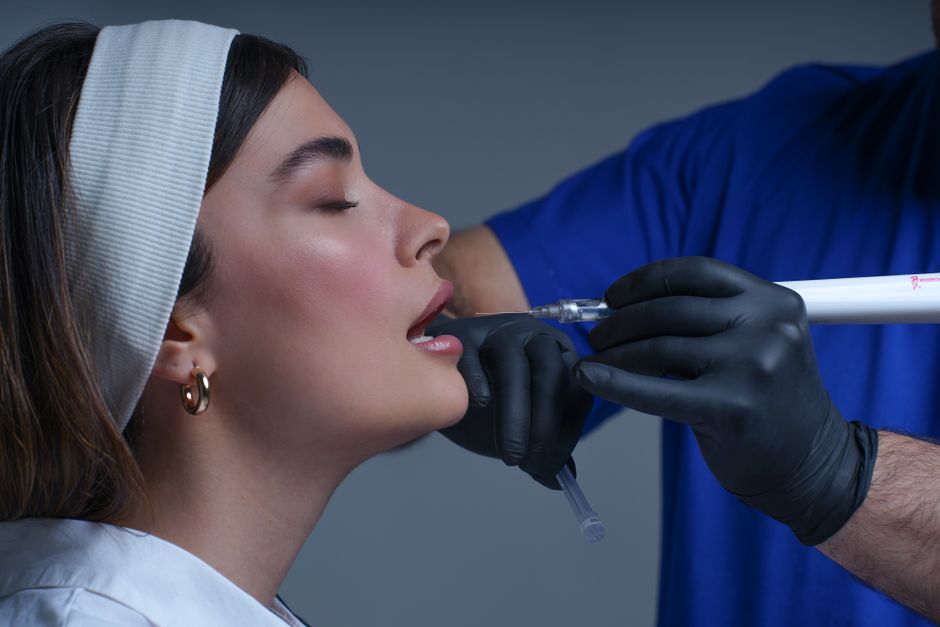
A frenuloplasty is a surgical procedure to release or revise a frenulum, which is a small fold of tissue that restricts movement in the body, most commonly in the mouth (under the tongue or upper lip) or in the male genitalia. The goal is to restore normal range of motion and reduce pain or functional problems. Recovery is generally quick, with most people returning to normal activities within a few days, but risks like bleeding, infection, and scar tissue formation do exist.
What Is a Frenulum and Why Would It Need Surgery?
A frenulum is a small band of tissue that connects two parts of the body. You have several of them. The most common ones that cause problems are under the tongue, inside the upper lip, and on the penis.
When a frenulum is too short or too tight, it restricts movement. Under the tongue, this is called ankyloglossia, or tongue-tie. It can make it hard for infants to breastfeed, and in older children and adults, it can cause speech issues or difficulty cleaning the teeth. A tight upper lip frenulum can create a gap between the front teeth or contribute to gum recession. In males, a short frenulum on the underside of the penis can cause pain during erection or intercourse, a condition called a short frenulum or frenulum breve.
Surgery is not always the first step. Many people live with a tight frenulum without any real problems. Surgery is considered when the tightness causes clear functional issues, pain, or dental problems that cannot be managed conservatively.
Frenuloplasty vs. Frenectomy: What Is the Difference?
These two terms are often confused, but they are different procedures. A frenectomy is the complete removal of the frenulum tissue. A frenuloplasty is a release and repositioning of the tissue using stitches, often with a Z-plasty technique to lengthen it.
Frenuloplasty is generally preferred when the goal is to preserve tissue and gain length while reducing the chance of the tissue reattaching in a tight position. Frenectomy is simpler and faster, but it removes all the tissue. The choice depends on the specific anatomy and the surgeon’s judgment.
For tongue-tie in infants, a simple frenotomy (a snip with scissors) is often done without anesthesia. For older children and adults, or for more complex cases, a frenuloplasty under local anesthesia is more common. The recovery and risks are similar in principle, though the surgical technique differs.
How Is the Frenuloplasty Procedure Performed?
Frenuloplasty is typically an outpatient procedure. You go home the same day. It is usually done under local anesthesia, meaning you are awake but the area is numb. In young children, general anesthesia may be used to keep them still and comfortable.
The surgeon makes one or more precise incisions in the frenulum. The tissue is then rearranged and stitched in a way that lengthens it. The stitches are often dissolvable, so there is no need to have them removed later. The whole procedure usually takes under an hour.
In oral procedures, the surgeon works carefully to avoid damaging the salivary glands or the nerves that supply the tongue. In penile procedures, the surgeon avoids the blood vessels and nerves located nearby. Most surgeons use magnification to improve precision and reduce the risk of complications.




What Does Recovery Look Like After a Frenuloplasty?
Recovery depends on the location of the surgery, but the general timeline is similar. The first 24 to 48 hours involve the most discomfort. Swelling is normal and peaks around day two or three. Pain is usually mild to moderate and well controlled with over-the-counter pain relievers.
For oral frenuloplasty, you may have trouble eating or speaking clearly for a few days. Cold foods like ice cream or smoothies can be soothing. Soft foods are recommended for the first week. Avoid spicy, acidic, or crunchy foods that could irritate the surgical site. Good oral hygiene is essential, but brushing directly over the stitches should be done gently. Some surgeons recommend gentle saltwater rinses after meals.
For penile frenuloplasty, you should keep the area clean and dry. Wear loose underwear to reduce friction. Avoid sexual activity and vigorous exercise for at least two to four weeks, or until your surgeon says it is safe. Swelling and bruising are common and usually resolve within one to two weeks.
One of the most important parts of recovery is wound care and stretching exercises. After the tissue heals, it can contract and reattach. Gentle stretching exercises, starting about a week after surgery, help maintain the length gained during the procedure. Your surgeon or a physical therapist will give you specific instructions. Skipping these exercises is one of the main reasons for poor long-term outcomes.
What Are the Risks and Possible Complications?
Frenuloplasty is a low-risk procedure, but it is still surgery. The most common complications are bleeding, infection, and scar tissue formation.
Bleeding is usually minor and controlled during the procedure. Post-operative bleeding is uncommon but can happen, especially if you are physically active too soon or take blood-thinning medications like aspirin or ibuprofen.
Infection is rare but possible. Signs include increasing pain, redness, swelling, warmth, or discharge from the wound. A fever is another warning sign. If you notice any of these, contact your surgeon promptly.
Scar tissue and reattachment are the most frustrating complications. Even with a technically perfect surgery, the body can form scar tissue that pulls the area tight again. This is why post-surgical stretching exercises are so important. In some cases, a second surgery may be needed if reattachment is significant.
Nerve damage is possible but very rare. The frenulum area contains small nerves, and permanent numbness or altered sensation is uncommon but has been reported. In penile frenuloplasty, there is a small risk of changes in sensation or curvature. Discuss these risks with your surgeon honestly before the procedure.
For oral procedures, there is a theoretical risk of damage to the salivary ducts under the tongue. A skilled surgeon who knows the anatomy well can usually avoid this. Ask your surgeon about their experience with this specific procedure.
What Are the Success Rates and Long-Term Outcomes?
Success rates for frenuloplasty are generally high, but they depend heavily on the reason for surgery and the patient’s commitment to aftercare. For tongue-tie release in infants with breastfeeding difficulties, most studies show significant improvement in latch and feeding. For older children with speech issues, results are more variable because speech is complex and involves many muscles, not just the tongue.
For penile frenuloplasty, most men report complete resolution of pain during erection or intercourse. The procedure is considered highly effective for this specific problem. However, if the issue is not just the frenulum but a more general tightness of the foreskin (phimosis), a frenuloplasty alone may not be enough. A circumcision or a preputioplasty may be more appropriate.
One honest point to consider: some of the claims around frenuloplasty for issues like “tongue-tie” in older children and adults are not backed by strong evidence. While some people report improvements in speech, swallowing, or even neck pain after tongue-tie release, large, high-quality studies are lacking. The procedure is well established for breastfeeding difficulties and for pain caused by a short frenulum. For other claimed benefits, the evidence is mixed or anecdotal. Be cautious about clinics that promise broad, life-changing results beyond the specific mechanical problem.
How Do You Choose a Surgeon and Prepare for the Procedure?
Choosing the right surgeon matters more than any other decision you will make about this procedure. You want someone who performs this surgery regularly and can show you examples of their outcomes. Ask how many frenuloplasties they perform per year. Ask about their complication rate, specifically reattachment rates.
Before the procedure, you will have a consultation. The surgeon will examine the area, assess the severity of the restriction, and confirm that surgery is actually the right choice. This is the time to ask questions. Ask about the specific technique they plan to use. Ask about anesthesia options. Ask what you should do if you notice signs of infection or excessive bleeding.
Before surgery, you will usually be told to avoid blood-thinning medications, including aspirin, ibuprofen, and some herbal supplements. You should arrange for someone to drive you home if you are having general anesthesia. For oral surgery, plan to have soft foods available. For penile surgery, buy loose underwear and plan to take it easy for a few days.
Frequently Asked Questions
How long does it take to recover from a frenuloplasty?
Most people return to normal daily activities within two to three days, but full healing takes about two to four weeks. Stitches dissolve on their own, and you should avoid strenuous activity or sexual activity for at least two weeks.
Is a frenuloplasty painful?
The procedure itself is not painful because it is done under local or general anesthesia. After the numbing wears off, you can expect mild to moderate discomfort for a few days, which is usually managed with over-the-counter pain relievers.
Will my frenulum grow back after surgery?
The frenulum itself does not grow back, but scar tissue can form and cause similar tightness if you do not perform the recommended stretching exercises. These exercises are critical for preventing reattachment and maintaining the length gained from surgery.
Can a frenuloplasty be done on an infant?
Yes, but infants usually undergo a simpler procedure called a frenotomy, which takes seconds and needs no stitches. A frenuloplasty with stitches is more common in older children and adults who need a more extensive release.
