
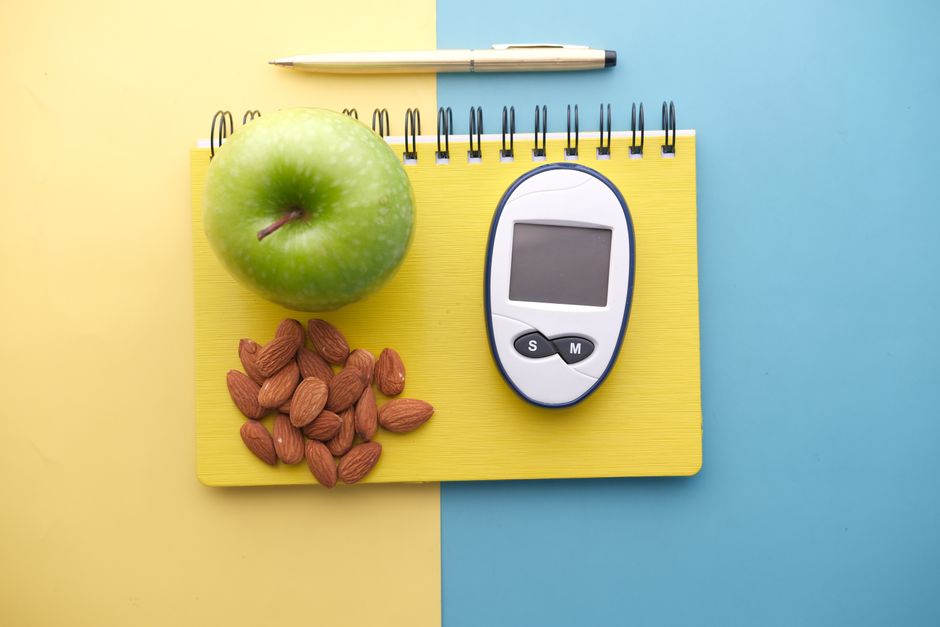
A fasting blood sugar test measures the amount of glucose in your blood after you have not eaten for at least eight hours. It is one of the most common blood tests in medicine and a primary tool for diagnosing diabetes and prediabetes. The test is simple, widely available, and gives your doctor a clear snapshot of how well your body manages blood sugar at rest.
What Is a Fasting Blood Sugar Test?
A fasting blood sugar test is a blood draw taken after a period of not eating, usually overnight. The standard fasting window is at least eight hours, though many labs prefer eight to twelve. You can drink plain water during that time. You cannot have coffee, tea, juice, or any food.
The test measures glucose, which is the main sugar your body uses for energy. Your body tightly regulates blood glucose through hormones, primarily insulin and glucagon. When you eat, blood sugar rises and insulin moves glucose into your cells. When you fast, your liver releases stored glucose to keep your levels steady. A fasting test captures how well that system works when no food is coming in.
Doctors order this test for several reasons. It can screen for type 2 diabetes, monitor people already diagnosed, or investigate symptoms like fatigue, excessive thirst, and frequent urination. It is also part of routine annual blood work for many adults.
What Do the Results Mean?
The numbers fall into three broad categories. These ranges come from the American Diabetes Association and are widely used in clinical practice.
| Fasting Blood Sugar Level | Category |
|---|---|
| Less than 100 mg/dL | Normal |
| 100 to 125 mg/dL | Prediabetes |
| 126 mg/dL or higher (on two separate tests) | Diabetes |
A single high reading does not automatically mean diabetes. Illness, stress, certain medications, and even a poor night of sleep can push fasting glucose up temporarily. That is why doctors typically confirm a diabetes diagnosis with a second test on a different day, unless symptoms are clear and glucose is very high.
On the other end, a fasting glucose below 70 mg/dL is considered low. This matters most for people taking insulin or certain diabetes medications. In people not on those drugs, low fasting glucose is less common and may point to other conditions.
One detail many people miss: fasting glucose can be normal while other measures of blood sugar control are not. A person can have a normal fasting level and still have impaired glucose tolerance. That is why doctors sometimes order an oral glucose tolerance test or an A1C in addition to a fasting draw. Each test catches different patterns.
How Is the Test Done?
The test itself takes less than five minutes. A lab technician draws blood from a vein in your arm, usually in the inside of the elbow. The sample goes to a lab, and results typically come back the same day or within a day or two.
Some people use a home glucose meter and a fingerstick instead. Home meters are less precise than lab tests. They are useful for daily monitoring but not for diagnosis. If a home reading is concerning, a lab test should confirm it.
Preparation matters more than the draw itself. For accurate results:
- Fast for at least eight hours before the test.
- Drink water only during the fasting window.
- Take medications as usual unless your doctor says otherwise.
- Avoid strenuous exercise right before the test.
- Tell the lab if you are sick, since illness can raise glucose.
If you take insulin or a medication that can cause low blood sugar, ask your doctor whether you should adjust your dose before a fasting test. Do not change any medication on your own.




Why Does Fasting Matter?
Fasting removes the variable of recent food. After a meal, blood glucose rises for everyone, and the size of that rise depends on what you ate, how much, and when. A non-fasting glucose reading is hard to interpret because a normal value after eating could look abnormal in a fasting state, and the reverse is also true.
An eight-hour fast gives your body time to finish digesting and absorbing the last meal. At that point, glucose should reflect your baseline regulation rather than your lunch. This is what makes the fasting test useful for detecting early problems with insulin function.
In type 2 diabetes, the body becomes resistant to insulin and the liver may release too much glucose overnight. That shows up as a high fasting reading even before other signs appear. In type 1 diabetes, the body stops making enough insulin, and fasting glucose can rise quickly.
What Can Affect Your Results?
Many factors beyond diabetes can shift a fasting glucose reading. Knowing these helps you and your doctor interpret the number correctly.
- Stress. Physical or emotional stress raises cortisol, which can push glucose up.
- Illness or infection. The body releases stress hormones that raise blood sugar.
- Medications. Steroids, some blood pressure drugs, and certain psychiatric medications can raise fasting glucose.
- Sleep. Poor or short sleep is linked to higher fasting glucose in some studies.
- Time of day. Glucose can rise in the early morning hours due to the dawn phenomenon, a normal surge of hormones.
- Pregnancy. Hormonal changes affect glucose handling, which is why pregnant women are screened separately for gestational diabetes.
If your result is borderline or unexpected, your doctor may repeat the test or order additional tests before drawing conclusions. A single number rarely tells the whole story.
How Does It Compare to Other Blood Sugar Tests?
The fasting glucose test is one of several ways to assess blood sugar. Each has strengths and limits.
| Test | What It Measures | Fasting Required |
|---|---|---|
| Fasting blood sugar | Glucose after 8+ hours without food | Yes |
| A1C | Average blood sugar over about 2 to 3 months | No |
| Oral glucose tolerance test | Glucose before and after a sugary drink | Yes |
| Random blood sugar | Glucose at any time of day | No |
The A1C is convenient because it needs no fasting and reflects longer-term control. It can be less accurate in people with certain blood conditions, such as anemia or hemoglobin variants, that affect red blood cells. The fasting test gives a precise snapshot of one moment but can vary from day to day.
Doctors often use these tests together. For example, a fasting glucose and an A1C can give both a current and a longer-term view. Neither test alone captures everything about how a person manages blood sugar.
When Should You Get Tested?
Screening recommendations vary by organization and have changed over time. In general, many guidelines suggest screening adults starting around age 35, with repeat testing every few years if results are normal. People with risk factors may be screened earlier and more often.
Risk factors include a family history of diabetes, being overweight, high blood pressure, abnormal cholesterol, a history of gestational diabetes, and certain ethnic backgrounds with higher diabetes rates. Symptoms like unusual thirst, frequent urination, blurred vision, and unexplained weight loss are reasons to test sooner rather than later.
If you already have diabetes, your doctor will set a testing schedule based on your treatment plan. Fasting glucose is one of several measures used to track control, alongside A1C and sometimes home monitoring.
Talk to your doctor about your personal risk and the right testing schedule for you. This article is informational and not a substitute for medical advice.
Frequently Asked Questions
How long do you have to fast for a blood sugar test?
At least eight hours without food, though many labs prefer eight to twelve hours. Plain water is allowed during the fast.
Can I drink coffee before a fasting blood sugar test?
No. Coffee, tea, and other beverages besides water can affect your glucose reading and should be avoided until after the test.
What is a normal fasting blood sugar level?
A normal fasting blood sugar is less than 100 mg/dL. Levels from 100 to 125 mg/dL indicate prediabetes, and 126 mg/dL or higher on two separate tests indicates diabetes.
Can a fasting blood sugar test diagnose diabetes on its own?
A single high result is usually confirmed with a second test on another day. Doctors may also use an A1C or glucose tolerance test to confirm a diagnosis.
