
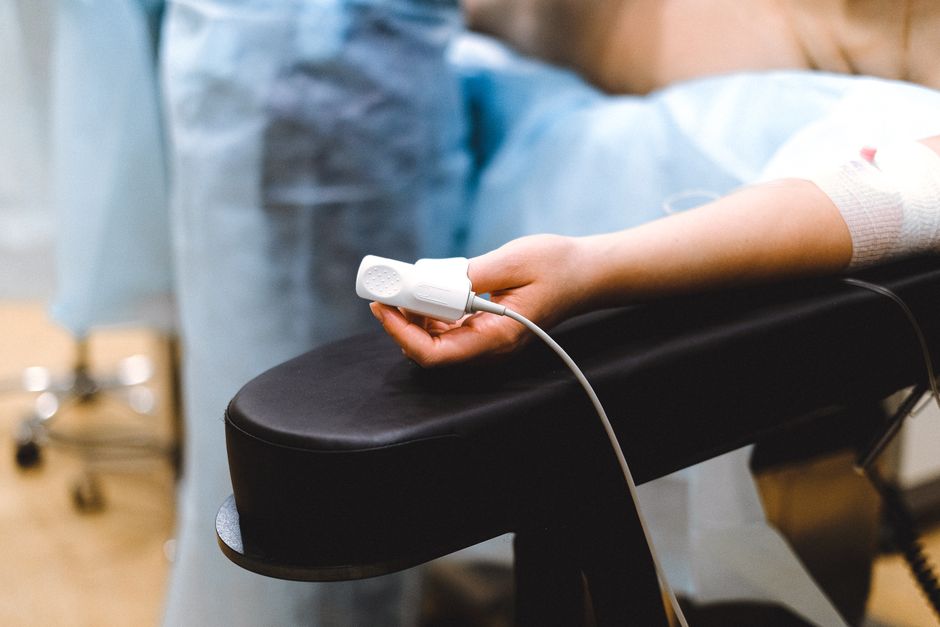
A D&C (dilation and curettage) is a surgical procedure used to remove tissue from the uterus after a miscarriage. For recovery, it typically involves managing mild cramping and light bleeding for a few days, with most people returning to normal activities within a week. This procedure is common and generally safe, with the goal of preventing infection and heavy bleeding by ensuring the uterus is completely empty.
What Exactly Happens During a D&C for Miscarriage?
A D&C is performed under anesthesia, so you will not feel pain during the procedure. The cervix is gently widened (dilated), and a thin instrument called a curette is used to gently scrape or suction the uterine lining. This removes any remaining pregnancy tissue.
The entire procedure usually takes about 10 to 15 minutes. You will likely be in a recovery room for a few hours afterward as the anesthesia wears off. Most people go home the same day.
Research published in the journal Obstetrics & Gynecology has found that D&C is highly effective at completing a miscarriage, with a success rate above 95%. It is a standard option when a miscarriage does not pass naturally or when there is heavy bleeding.
What Does Recovery From a D&C Feel Like?
Recovery is different for everyone, but there are common patterns. Mild cramping, similar to a period, is normal for the first few days. You can usually manage this with over-the-counter pain relievers like ibuprofen.
Bleeding and spotting can last from a few days to two weeks. It often starts like a period and then lightens over time. Passing small clots is common, but heavy bleeding (soaking a pad in an hour) is not normal and requires medical attention.
The American College of Obstetricians and Gynecologists (ACOG) advises that most people can return to work and daily activities within 1 to 3 days. However, they recommend avoiding tampons, douching, and sexual intercourse for two weeks to reduce the risk of infection.
What Are the Physical Risks and Side Effects?
Serious complications from a D&C are rare, but they do exist. The most common risks include infection, heavy bleeding, and injury to the cervix or uterus. Infection signs include fever, chills, or foul-smelling discharge.
A less common but serious risk is Asherman’s syndrome, where scar tissue forms inside the uterus. This can affect future fertility. However, a 2017 study in Human Reproduction Update found that the risk is low, especially when the procedure is performed by an experienced doctor.
Some people also experience nausea from the anesthesia. Your doctor will give you specific instructions on what symptoms to watch for. If you have severe pain, heavy bleeding, or a fever, call your healthcare provider immediately.





How Does a D&C Compare to Other Miscarriage Management Options?
There are three main ways to manage a miscarriage: expectant management (waiting for it to pass naturally), medication (like misoprostol), and surgical management (D&C). Each has different recovery experiences.
| Option | Recovery Time | Pain Level | Success Rate | When Used |
|---|---|---|---|---|
| Expectant Management | Days to weeks | Variable, often heavy cramping | 50-80% within 2 weeks | Early miscarriage, no heavy bleeding |
| Medication (Misoprostol) | 1-2 days of cramping | Moderate to severe | 70-90% | Early miscarriage, no emergency |
| D&C (Surgical) | 1-3 days to normal activity | Mild after procedure | 95%+ | Heavy bleeding, incomplete miscarriage, patient preference |
The choice depends on your health, how far along the pregnancy was, and your personal preference. Some people prefer a D&C because it is quick and predictable. Others choose medication or waiting to avoid surgery. The CDC reports that about 1 in 4 diagnosed pregnancies end in miscarriage, so these options are well-studied.
What About Emotional Recovery After a D&C?
Physical recovery is only part of the picture. A miscarriage is a significant emotional event. Many people feel grief, sadness, anxiety, or relief after the procedure. There is no “right” way to feel.
Some studies suggest that the mode of miscarriage management does not significantly affect long-term emotional outcomes. However, having a clear plan and good support helps. The National Institutes of Health (NIH) has funded research showing that counseling and support groups can reduce symptoms of depression and anxiety after pregnancy loss.
Give yourself permission to grieve. Talk to your partner, a close friend, or a therapist. Many hospitals offer post-miscarriage support groups. It is common to feel disconnected from your body for a while. That feeling usually fades with time.
What Is a D&C for Miscarriage Procedure Recovery Timeline?
Here is a general timeline of what to expect after a D&C:
- Day 1-2: Rest at home. Mild cramping and light bleeding. Use pads, not tampons. Take pain relievers as needed.
- Day 3-7: Bleeding usually lightens. You can return to work and light activities. Avoid heavy lifting and exercise.
- Week 2: Bleeding typically stops. You can resume sexual activity and use tampons. Schedule a follow-up appointment with your doctor.
- Week 4-6: Your next period should arrive. This is a sign your cycle is returning to normal. Fertility can return immediately, so discuss birth control if needed.
Your doctor will give you specific instructions based on your individual case. If your period does not return within 8 weeks, or if you have any concerns, call your healthcare provider. The recovery timeline is generally straightforward, but every body heals differently.
Common Misconceptions About D&C Recovery
There is a lot of misinformation online. One common myth is that a D&C damages the uterus and makes it hard to get pregnant later. Research shows that a single, uncomplicated D&C does not affect future fertility for most women. The risk of scarring is low.
Another myth is that you must wait many months before trying to conceive again. ACOG states that waiting for your first period is not medically necessary. Some studies suggest that getting pregnant within three months may actually reduce the risk of another miscarriage. However, you should wait until you feel emotionally ready.
Some people believe that a D&C is painful. The procedure itself is done under anesthesia, so you will not feel it. Recovery pain is usually mild and manageable. If you have severe pain, that is a sign to call your doctor, not a normal part of recovery.
This is widely claimed though strong evidence is limited: that sex after a D&C must be avoided for a full month. The standard medical advice is two weeks, unless you have complications. Always follow your doctor’s specific instructions.
Frequently Asked Questions
How long does bleeding last after a D&C for miscarriage?
Bleeding and spotting usually last from a few days up to two weeks. Light bleeding that gradually decreases is normal.
Can I get pregnant right after a D&C?
Yes, you can ovulate as soon as two weeks after the procedure. Discuss birth control with your doctor if you want to delay pregnancy.
Is a D&C painful without anesthesia?
No, a D&C is performed under general or local anesthesia so you will not feel pain during the procedure. Recovery pain is usually mild.
When can I exercise after a D&C?
Most doctors recommend waiting one to two weeks before resuming exercise. Start with light activity and avoid heavy lifting until cleared.
