
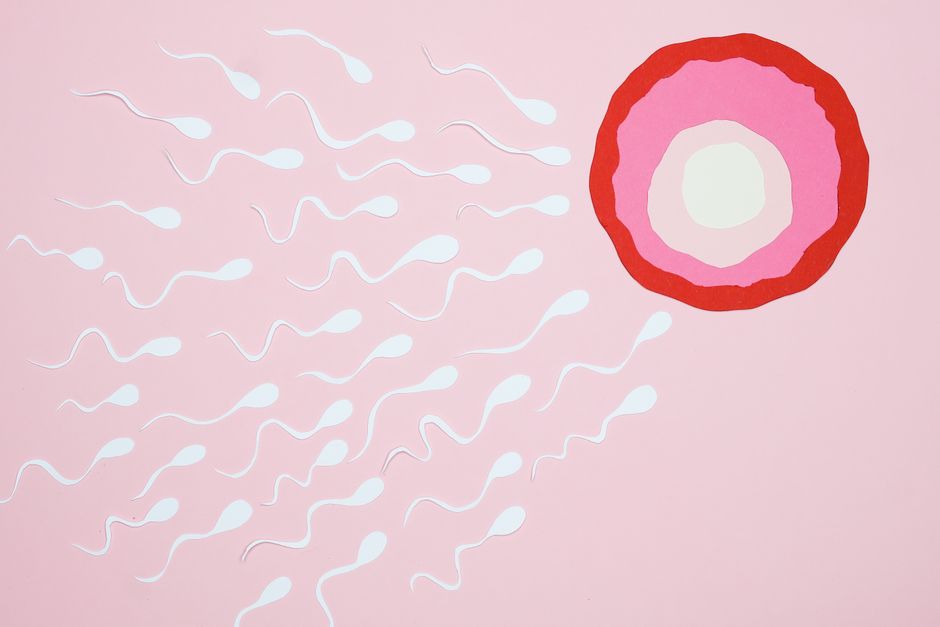
Cycle signal ovulation timing and hormones refer to how your body communicates when ovulation is happening or about to happen. Your menstrual cycle runs on hormonal signals, and tracking them helps identify your fertile window. This is the foundation of fertility awareness, whether you are trying to conceive or avoid pregnancy naturally.
What Exactly Is a Cycle Signal for Ovulation?
A cycle signal is any physical or biological change that indicates ovulation is near or has occurred. Your body produces these signals through shifts in hormones like estrogen, luteinizing hormone (LH), and progesterone. These changes affect your cervical mucus, basal body temperature, and sometimes even your cervix position.
The most reliable cycle signals come from your own body, not from an app or calculator. Apps estimate based on averages, but your body gives real-time data. The key is learning to read what your body is telling you.
Research published in the journal Human Reproduction found that only about 30% of women are actually in their fertile window when an app predicts it. This is why understanding your own cycle signals matters more than trusting a generic prediction.
How Do Hormones Control Ovulation Timing?
Your menstrual cycle is driven by four main hormones: follicle-stimulating hormone (FSH), estrogen, luteinizing hormone (LH), and progesterone. Each one rises and falls at specific times to make ovulation happen.
FSH starts the process by telling your ovaries to grow a follicle, which contains an egg. As the follicle grows, it produces estrogen. When estrogen reaches a certain level, it triggers a rapid surge of LH. This LH surge is what actually causes the egg to release from the ovary, usually within 24 to 36 hours.
After ovulation, the empty follicle begins producing progesterone. Progesterone prepares your uterine lining for a possible pregnancy and raises your basal body temperature. If you track your temperature, you will see it stay elevated after ovulation until your next period.
The entire process takes about two weeks from the start of your cycle to ovulation, but this varies from person to person and cycle to cycle. Stress, illness, travel, and even weight changes can shift the timing.
What Are the Most Reliable Cycle Signals to Track?
Three signals are considered the gold standard for tracking ovulation timing: cervical mucus, basal body temperature, and LH urine tests. Each gives different information, and combining them gives the most accurate picture.
Cervical mucus changes in response to rising estrogen. As you approach ovulation, mucus becomes clear, slippery, and stretchy, like raw egg white. This is your most fertile mucus and signals that ovulation is coming. The American College of Obstetricians and Gynecologists (ACOG) recognizes cervical mucus tracking as a valid method for identifying the fertile window.
Basal body temperature (BBT) rises about 0.5 to 1 degree Fahrenheit after ovulation due to progesterone. You take your temperature first thing in the morning before getting out of bed. BBT confirms that ovulation has happened, but it does not predict it in advance.
LH urine tests, often called ovulation predictor kits, detect the surge of luteinizing hormone that happens 24 to 36 hours before ovulation. These are widely available and fairly accurate when used correctly. Research in Obstetrics & Gynecology found that LH tests detect ovulation in about 80% of cycles when used according to instructions.
A fourth signal that some people track is cervix position and firmness. It changes during the cycle but requires practice to interpret, and evidence for its reliability is weaker than for the other three signals.





Can You Rely on a Single Signal Alone?
No single signal is perfect on its own. Each has limitations. Cervical mucus can be affected by medications, breastfeeding, or vaginal infections. BBT only tells you after ovulation has already occurred. LH tests can give false positives if you have certain medical conditions like polycystic ovary syndrome (PCOS).
Using two or three signals together is called the symptothermal method. This is the approach taught by fertility awareness educators and supported by research. A study published in The Journal of the American Board of Family Medicine found that the symptothermal method is about 98% effective for avoiding pregnancy when used correctly.
For timing intercourse to conceive, combining mucus and LH tests gives the best prediction. Mucus tells you the fertile window is opening, and LH tests tell you ovulation is imminent. BBT confirms it happened, which helps you learn your personal cycle patterns over time.
| Signal | What It Tells You | When to Track | Limitations |
|---|---|---|---|
| Cervical mucus | Fertile window is opening | Daily after period ends | Affected by medications, infections |
| Basal body temperature | Ovulation has occurred | Every morning before rising | Does not predict in advance |
| LH urine tests | Ovulation is 24-36 hours away | Around expected ovulation | False positives with PCOS, some medications |
| Cervix position | Ovulation may be approaching | Daily after period ends | Subjective, harder to learn |
What Can Disrupt Your Cycle Signals and Hormones?
Many common factors can disrupt your normal cycle signals and hormone patterns. Stress is the most common culprit. When your body produces cortisol, the stress hormone, it can delay or suppress the LH surge, pushing ovulation later or stopping it entirely. Research from the National Institutes of Health has shown that high perceived stress is linked to longer cycles and more anovulatory cycles.
Significant weight changes also affect hormone levels. Low body fat can reduce estrogen production, while excess body fat can lead to higher estrogen levels. Both extremes can interfere with ovulation timing. The CDC reports that about 6% of women of reproductive age have experienced trouble getting pregnant, and irregular ovulation is one of the most common causes.
Thyroid disorders are another factor. Both overactive and underactive thyroid can disrupt menstrual cycles and ovulation. If your cycles are consistently irregular, a simple blood test from your doctor can check your thyroid function.
Medications like hormonal birth control, some antidepressants, and even certain pain relievers can change your cycle signals. If you are tracking and notice a sudden change, check whether you started a new medication recently.
What Are Common Misconceptions About Ovulation Timing?
One widespread myth is that ovulation always happens on day 14 of a 28-day cycle. This is based on outdated textbook averages. In reality, cycle lengths vary widely, and ovulation can happen anywhere from day 11 to day 21 in a typical cycle. A 2019 study in npj Digital Medicine analyzed over 600,000 cycles and found that only about 13% of women have a 28-day cycle. Most cycles range from 24 to 35 days.
Another common belief is that you cannot get pregnant outside your fertile window. This is true, but many people misunderstand when the fertile window actually is. Sperm can survive in the reproductive tract for up to five days. This means intercourse that happens five days before ovulation can still lead to pregnancy. The fertile window is about six days long, ending on the day of ovulation itself.
Some people also believe that ovulation pain, called mittelschmerz, is a reliable signal. While some women feel a twinge or cramp on one side around ovulation, it does not happen every cycle for most people. Relying on it alone is not backed by strong evidence.
Finally, many think that if you have a period, you definitely ovulated. This is not true. It is possible to have an anovulatory cycle, where you bleed but no egg was released. This is more common in the first few years after your first period and in the years leading up to menopause, but it can happen at any age.
What to Avoid When Tracking Cycle Signals
Avoid relying entirely on smartphone apps without checking your actual body signals. Apps can be helpful for logging data, but they use algorithms based on averages, not your personal biology. One study in The Journal of the American Board of Family Medicine found that period tracking apps predicted ovulation correctly in only about 20% of cycles.
Do not assume irregular cycles mean something is wrong right away. Occasional irregularity is normal, especially during times of stress, illness, or travel. However, if your cycles are consistently shorter than 21 days or longer than 35 days, or if you have not had a period in three months, it is worth discussing with a healthcare provider.
Avoid taking LH tests at random times of day. The best time is usually late morning or early afternoon, and you should limit fluid intake for two hours before testing. Testing first thing in the morning is actually less reliable for many women because the LH surge often starts during the night and may not show up in morning urine.
Finally, do not assume that one cycle pattern will repeat exactly every month. Your cycle can change from one month to the next. Tracking consistently for at least three to six months gives you a much better understanding of your personal patterns than tracking for just one cycle.
Frequently Asked Questions
How can I tell if I am ovulating without a test?
You can track cervical mucus changes and basal body temperature to identify ovulation. Clear, stretchy mucus and a sustained temperature rise are the two most reliable signs.
Can I ovulate without having a period?
Yes, it is possible to ovulate without a period, especially if you are breastfeeding or approaching menopause. However, it is uncommon in regularly cycling women.
How long after the LH surge do I ovulate?
Ovulation usually happens 24 to 36 hours after the LH surge begins. The egg then lives for about 12 to 24 hours after release.
Does stress really delay ovulation?
Yes, research shows that high stress levels can delay or even suppress ovulation. Cortisol interferes with the hormones that control your menstrual cycle.
