
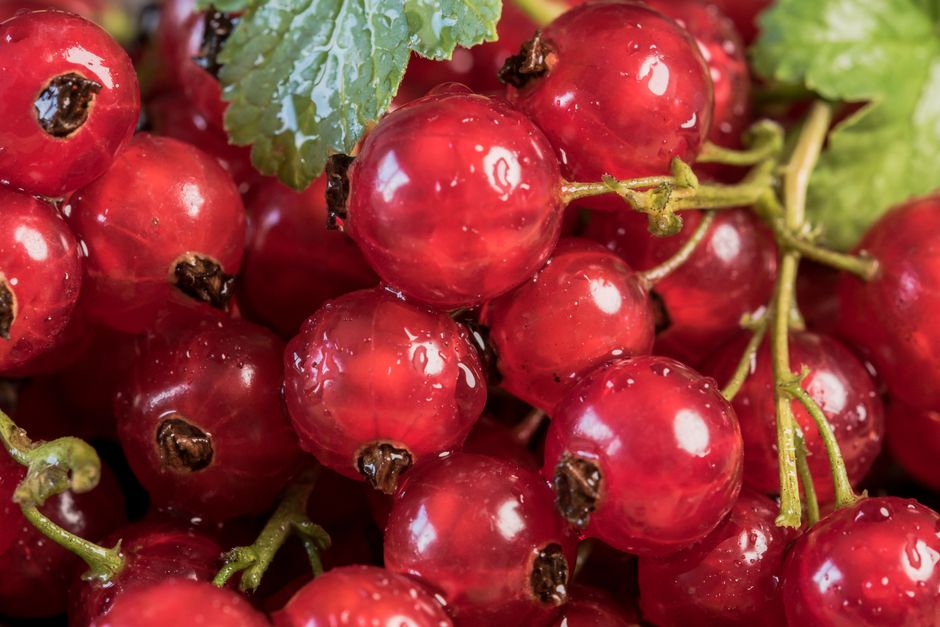
A currant fruit is not one single thing—the name refers to two different foods that look nothing alike. Fresh currants are tiny, tart berries that grow on bushes, while dried currants are actually a type of small, dark raisin made from a specific grape. Both are used in cooking, but their nutrition and taste are very different. Knowing which one you are buying or eating matters for both flavor and health.
What Are The Different Types Of Currants?
The word “currant” causes confusion because it describes two entirely separate fruits.
Fresh currants come from the Ribes genus. These are small, round berries that grow in clusters on bushes. The most common colors are red, black, and white. Red currants are bright and tart. Black currants have a deeper, earthier flavor and are more commonly used in Europe. White currants are a less common mutation of red currants. All three are true berries with a tangy taste.
Dried currants are not berries at all. They are made from the Black Corinth grape, a seedless variety that produces very small, dark grapes. Once dried, they look like tiny raisins. In the United States, these are sold as “Zante currants.” The name came from their origin in Corinth, Greece. They are not related to Ribes currants in any botanical way.
In grocery stores, the dried version is far more common. Fresh currants are seasonal and harder to find, especially in North America.
What Are The Nutritional Benefits Of Currants?
Fresh currants and dried currants have very different nutrient profiles.
Black currants are the most nutrient-dense. According to USDA nutrition data, a 100-gram serving of raw black currants contains about 181 milligrams of vitamin C. That is more than double the amount in an orange of the same weight. They also provide fiber, potassium, iron, and a group of plant compounds called anthocyanins, which give the berries their dark color.
Red and white currants contain less vitamin C—around 41 milligrams per 100 grams—but still offer fiber and a modest amount of antioxidants.
Dried Zante currants are similar to raisins. They are high in natural sugar—about 70 grams per 100 grams—and calories. They contain some fiber, iron, and potassium, but the drying process reduces their vitamin C content significantly. They are more of a sweetener than a source of vitamins.
If you are looking for vitamins, fresh black currants are the better choice. If you need a natural sweetener for baking, dried currants work well.
What Is The Difference Between Currants, Raisins, And Sultanas?
Raisins, sultanas, and dried currants are all dried grapes, but they come from different grape varieties and are processed differently.
- Raisins are made from large, dark grapes, typically Thompson Seedless or similar varieties. They are sun-dried and have a chewy, sweet flavor.
- Sultanas come from white seedless grapes. They are usually treated with oil to speed drying, so they remain lighter in color and are sweeter and plumper than raisins.
- Dried currants (Zante currants) are made from the tiny Black Corinth grape. They are smaller, darker, and have a sharper, tarter taste than regular raisins.
All three can be used interchangeably in many recipes, but dried currants have a more concentrated flavor due to their smaller size and higher skin-to-flesh ratio.
Fresh Ribes currants are not related to any of these dried grapes. They are a completely different fruit, and their nutritional content differs substantially.





Are Currants Good For Your Health?
The health effects depend on the type of currant and how you eat it.
Fresh black currants have strong evidence for general health benefits. Their high vitamin C content supports immune function and collagen production. The anthocyanins in black currants are antioxidants that may help reduce inflammation and improve blood flow. Some small human studies have suggested that black currant supplements might support eye health and reduce muscle soreness after exercise. However, these findings come from limited trials, and larger studies are needed to confirm long-term effects.
Dried currants are not a health powerhouse. Like all dried fruits, they are high in sugar and calories. Eating them in moderation is fine, but they should not be viewed as a significant source of vitamins. The fiber in dried currants can help with digestion, but the sugar content makes them similar to candy in terms of energy density.
No clinical evidence shows that eating currants prevents or cures any disease. They are a nutritious addition to a balanced diet, not a medicine. If you have diabetes or need to manage blood sugar, be cautious with dried currants and stick to small portions.
How Can You Use Currants In Cooking?
Fresh and dried currants serve different roles in the kitchen.
Fresh red or black currants are tart and best cooked or sweetened. They make excellent jams, jellies, and sauces. In European cuisine, they are often paired with game meats or added to summer desserts. The pectin in red currants helps jams set without added thickeners. You can also eat them raw, but they are very sour—most people prefer them with sugar.
Dried Zante currants are used like raisins. They are common in scones, muffins, bread puddings, and savory dishes such as rice pilafs or salads. Their small size means they distribute evenly in baked goods. Unlike larger raisins, they do not sink to the bottom of batter as easily.
If a recipe calls for “currants” without specifying, always check whether it means fresh or dried. In European recipes, it often means fresh Ribes currants. In American baking, “currants” almost always means dried Zante currants.
Frequently Asked Questions
Are currants the same as raisins?
No. Raisins are dried large grapes, while dried currants (Zante currants) are dried tiny Black Corinth grapes. Fresh currants are a different fruit altogether.
Can you eat raw currants?
Yes, fresh red, black, and white currants are safe to eat raw, but they are very tart. Most people prefer them cooked or sweetened.
Are dried currants healthy?
Dried currants are high in sugar and calories, similar to raisins. They provide some fiber and iron, but they are not a good source of vitamins due to the drying process.
Where can I buy fresh currants?
Fresh currants are seasonal, usually available in summer from farmers’ markets or specialty grocery stores. They can be harder to find in the United States than in Europe.
