
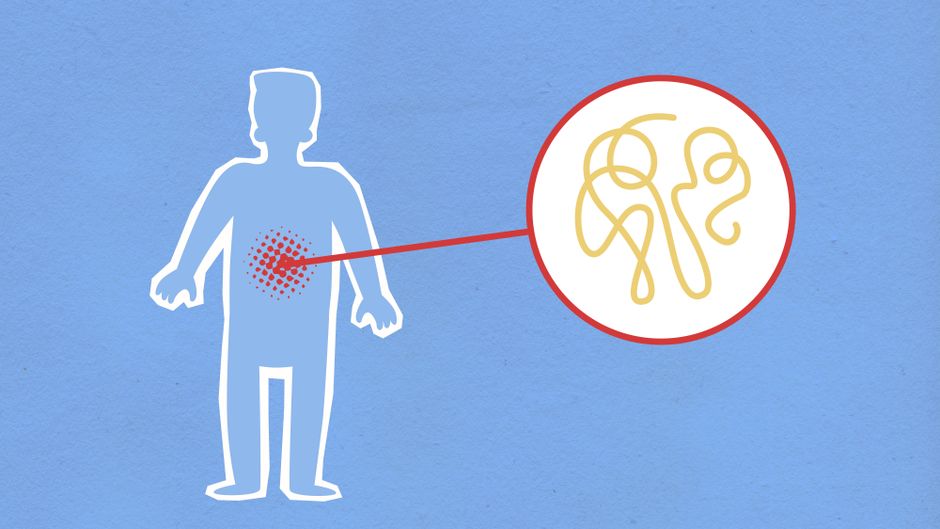
A Candida infection happens when a type of yeast that normally lives in your body grows out of control. It is not a single condition but a group of infections caused by an overgrowth of Candida species, most commonly Candida albicans. The most common symptoms depend on where the infection occurs, but they often include intense itching, redness, a thick white discharge (for vaginal infections), or white patches in the mouth (for oral thrush). The main types include vaginal yeast infections, oral thrush, skin infections, and invasive candidiasis which affects the bloodstream or internal organs. This article explains what causes these overgrowths, how to recognize the symptoms, and what the evidence says about treatment and prevention.
What Exactly Is a Candida Infection?
Candida is a fungus. It is a type of yeast that lives on your skin, in your mouth, and in your digestive tract without causing problems most of the time. Your immune system and the balance of other bacteria and yeasts keep it in check.
An infection happens when something tips that balance. Antibiotics are a common cause because they kill off the bacteria that normally compete with Candida. Other triggers include high blood sugar from diabetes, a weakened immune system, hormonal changes from pregnancy or birth control, and wearing tight or damp clothing.
When Candida overgrows, it can cause symptoms in the area where it is growing. It does not spread through the air like a cold virus. You cannot catch a Candida infection from someone who has one, though it is possible to pass a yeast infection during sexual contact in rare cases.
What Are the Most Common Symptoms of a Candida Infection?
Symptoms depend entirely on where the overgrowth happens. There is no universal set of signs. The location determines what you feel and see.
Vaginal yeast infections are the most well-known type. Research published in the journal Obstetrics & Gynecology estimates that 75% of women will have at least one in their lifetime. Symptoms include intense itching and burning around the vagina, redness and swelling, a thick white discharge that looks like cottage cheese, and pain during sex or urination.
Oral thrush appears as creamy white patches on the tongue, inner cheeks, gums, or tonsils. They look like cottage cheese and can bleed slightly if you scrape them. Some people feel a cotton-like sensation in the mouth or lose their sense of taste. It is most common in infants, older adults, and people using inhaled steroids for asthma.
Skin infections cause a red, itchy rash that often appears in warm, moist areas like armpits, under the breasts, or in the groin. The rash may have raised edges and small satellite bumps around the main patch. It is often mistaken for eczema or contact dermatitis.
Invasive candidiasis is rare but serious. It happens when Candida enters the bloodstream. Symptoms include fever and chills that do not improve with antibiotics, low blood pressure, and organ failure in severe cases. The CDC reports that this type mostly affects hospitalized patients with weakened immune systems or central venous catheters.
What Are the Different Types of Candida Infections?
There are several distinct types, and they require different approaches. Grouping them all together leads to confusion and bad advice.
| Type | Common Location | Key Symptoms | Typical Risk Factors |
|---|---|---|---|
| Vaginal yeast infection | Vagina and vulva | Itching, burning, thick white discharge | Antibiotics, pregnancy, diabetes, hormonal changes |
| Oral thrush | Mouth and throat | White patches, redness, loss of taste | Infants, dentures, inhaled steroids, HIV |
| Cutaneous candidiasis | Skin folds (armpits, groin, under breasts) | Red rash, itching, satellite bumps | Obesity, sweating, poor hygiene |
| Invasive candidiasis | Bloodstream, organs | Fever, chills, organ failure | Hospitalization, ICU stay, central lines |
| Chronic mucocutaneous candidiasis | Skin, nails, mucous membranes | Persistent or recurrent infections | Genetic immune defects |
Each type has its own treatment protocol. Vaginal infections are usually treated with topical antifungal creams or a single oral dose of fluconazole. Oral thrush often responds to antifungal mouth rinses or lozenges. Invasive candidiasis requires intravenous antifungal drugs in a hospital setting.




What Causes Candida to Overgrow in the First Place?
The most common trigger is antibiotic use. A study in the journal JAMA Internal Medicine found that women who took antibiotics had nearly double the risk of developing a vaginal yeast infection within two months. The antibiotics kill off the protective bacteria that normally keep Candida in check.
High blood sugar is another major driver. Candida feeds on sugar. People with poorly controlled diabetes have higher glucose levels in their mucous membranes and skin, which creates a perfect environment for overgrowth. The American Diabetes Association notes that women with diabetes are more prone to recurrent yeast infections.
Hormonal changes matter too. Estrogen increases the amount of glycogen in vaginal tissues, which Candida uses as fuel. That is why pregnancy, high-dose birth control pills, and hormone replacement therapy can raise the risk.
A weakened immune system from HIV, cancer treatment, or long-term steroid use also makes you more vulnerable. Your immune cells normally patrol and keep Candida populations low. When that patrol is understaffed, the yeast can multiply unchecked.
Diet alone does not cause Candida overgrowth in people with healthy immune systems. The idea that eating sugar directly causes a yeast infection is overstated. Sugar in your diet does not directly feed yeast in your vagina or mouth because your body regulates blood glucose tightly. However, if you already have diabetes or prediabetes, high blood sugar does contribute.
What Does the Research Say About Natural Treatments for Candida?
This is where the internet gets messy. Many websites claim that coconut oil, tea tree oil, garlic, or probiotics can cure Candida infections. The evidence does not support most of these claims.
Probiotics have the most research behind them. A 2020 meta-analysis in the journal Mycoses reviewed 20 studies and found that probiotics, especially Lactobacillus strains, reduced the recurrence of vaginal yeast infections when used alongside standard antifungal treatment. But the evidence for using probiotics alone to treat an active infection is weak. They appear to help prevent recurrence, not cure an existing infection.
Coconut oil has antifungal properties in a lab dish. Studies show that coconut oil can kill Candida albicans in a petri dish. But there is no good clinical evidence that applying it to the skin or using it internally works in the human body. Lab conditions do not replicate the complex environment of living tissue.
Tea tree oil is toxic to Candida in high concentrations. But it can also irritate skin and mucous membranes. The National Capital Poison Center warns that tea tree oil should never be swallowed. Even topical use requires dilution. There is no reliable evidence that it works better than standard antifungal creams.
Garlic contains allicin, which has antifungal properties in a test tube. But a 2009 study in BMC Complementary and Alternative Medicine found that garlic was not effective against vaginal yeast infections in women. The amount needed to have an effect would likely cause stomach upset.
The bottom line: If you suspect a Candida infection, see a healthcare provider for a proper diagnosis. Over-the-counter antifungal treatments are effective for most uncomplicated cases. Natural remedies may help prevent recurrence, but they are not proven to treat active infections.
What Is the Candida Diet and Does It Work?
The Candida diet is a popular plan that claims to starve yeast by eliminating sugar, refined carbs, and sometimes fermented foods. It is widely promoted online, but the evidence is thin.
The theory sounds logical: Candida eats sugar, so remove sugar and the yeast will die. But the human body is not that simple. Your blood glucose is tightly regulated by hormones like insulin. Cutting dietary sugar does not eliminate glucose from your tissues. Your liver produces glucose from other sources.
Some people report feeling better on the Candida diet. But that improvement is likely from cutting out processed foods and sugar, not from eliminating yeast. A 2019 review in the journal Frontiers in Microbiology concluded that there is no clinical evidence to support the Candida diet for treating candidiasis.
What does have evidence? Controlling blood sugar if you have diabetes. The CDC reports that people with well-controlled diabetes have fewer yeast infections. If your blood sugar is high because of diabetes or prediabetes, managing that will help more than any diet that targets Candida specifically.
If you want to try the diet anyway, it is probably not harmful for most people. Just know that the science does not back the claims. Do not rely on it as a replacement for medical treatment.
When Should You See a Doctor for a Candida Infection?
Some Candida infections clear up on their own, especially mild cases of oral thrush in infants. But most need treatment. You should see a doctor if you have symptoms for the first time, if symptoms are severe, or if you get four or more infections in a year.
You should also see a doctor if you have a weakened immune system, if you are pregnant, or if you have diabetes. These conditions make complications more likely. A doctor can confirm the diagnosis with a simple swab and prescribe the right medication.
Recurrent infections need investigation. The American College of Obstetricians and Gynecologists recommends testing for diabetes and HIV in women with recurrent yeast infections. Sometimes the problem is not Candida at all. Bacterial vaginosis, trichomoniasis, and some skin conditions can look like a yeast infection but require completely different treatment.
Self-treating recurrent infections with over-the-counter creams can delay the right diagnosis. If you have had four or more infections in a year, do not guess. Get tested.
Frequently Asked Questions
Can a Candida infection go away on its own?
Mild cases of oral thrush in infants sometimes clear without treatment. Most other Candida infections, especially vaginal yeast infections and skin infections, require antifungal medication to resolve.
Is a Candida infection contagious?
Candida infections are not highly contagious like a cold or flu. You can pass a yeast infection to a partner during sexual contact in rare cases, but it is not considered a sexually transmitted infection.
Can men get Candida infections?
Yes. Men can get penile yeast infections, which cause redness, itching, and a rash on the penis. They can also get oral thrush and skin infections in moist areas.
What is the fastest way to get rid of a Candida infection?
Antifungal medications work fastest. For vaginal infections, a single oral dose of fluconazole or a three-day course of topical cream usually clears symptoms within a few days. See a doctor for the right prescription.
