

A CT scan of the abdomen and pelvis with contrast is a diagnostic imaging test that uses X-rays and a computer to create detailed cross-sectional pictures of the organs inside your belly and lower pelvis. The word “contrast” means a special dye is used — either swallowed, injected into a vein, or given as an enema — to make certain tissues and blood vessels show up more clearly. It is one of the most common imaging exams ordered in emergency rooms, hospitals, and outpatient centers across the United States.
What Is a CT Abdomen and Pelvis With Contrast?
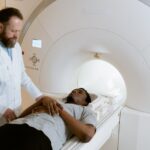
A CT (computed tomography) scanner is a large donut-shaped machine. You lie on a table that slides through the center of the ring. Inside, an X-ray tube rotates around you, taking hundreds of images from different angles. A computer stacks those images into thin slices, like slicing a loaf of bread, so a doctor can look inside your body without surgery.
Without contrast, a CT can show the shape and size of organs. With contrast, it can show how well blood flows, whether there is inflammation, and whether a mass takes up the dye differently than normal tissue.
The abdomen and pelvis together cover a lot of ground. The abdomen holds the liver, gallbladder, pancreas, spleen, kidneys, adrenal glands, stomach, and most of the intestines. The pelvis holds the bladder, reproductive organs, and the lower parts of the colon and small intestine. A combined scan of both areas gives a continuous view from the diaphragm down to the bottom of the pelvis.
Why Would a Doctor Order This Scan?
Doctors order this scan when they need a clear picture of what is happening inside the belly or pelvis and other tests have not given enough information.
Common reasons include:
- Sudden or severe abdominal pain with no clear cause
- Suspected appendicitis, diverticulitis, or bowel obstruction
- Blood in the urine or suspected kidney stones
- Unexplained weight loss or a mass felt during an exam
- Staging or monitoring cancer
- Evaluating injuries after trauma
- Checking for abscesses or fluid collections
- Following up on abnormal blood tests or ultrasound findings
It is also used to plan surgery and to check whether a treatment is working. In emergency settings, it is often the fastest way to rule out life-threatening conditions.
How Does the Contrast Dye Work?
Contrast dye, also called contrast media, contains substances that block X-rays more strongly than body tissue does. When it reaches an organ or blood vessel, that area appears brighter on the scan. This helps radiologists tell the difference between normal tissue, fluid, inflammation, and tumors.
There are three main ways contrast can be given for an abdomen and pelvis CT:
- Intravenous (IV) contrast: Injected into a vein, usually in the arm. It travels through the bloodstream and highlights blood vessels and organs. This is the most common method for a combined abdomen and pelvis scan.
- Oral contrast: You drink a liquid containing contrast, usually over one to two hours before the scan. It coats and fills the intestines so they can be seen more clearly.
- Rectal contrast: Given as an enema. Used less often, mainly to evaluate the colon or rectum.
Some exams use more than one type. The choice depends on what the doctor is looking for.




What Happens During the Exam?
The scan itself is painless and usually takes 15 to 30 minutes from start to finish, including preparation time.
Here is what to expect:
- You may be asked not to eat for a few hours before the scan. Drinking water is often allowed.
- You change into a gown and remove metal objects like jewelry, zippers, and belts.
- If IV contrast is used, a nurse or technologist places a small IV line in your arm or hand.
- You lie on the scanner table, usually on your back. Straps or pillows may help you stay still.
- The table moves through the scanner. You may be asked to hold your breath for short periods.
- You may feel a warm sensation or a metallic taste in your mouth when IV contrast is injected. This is normal and passes quickly.
After the scan, you can usually go back to your normal activities. If you received IV contrast, you may be asked to drink extra water to help your kidneys clear it from your body.
What Are the Risks and Side Effects?
CT scans use ionizing radiation. A CT of the abdomen and pelvis delivers more radiation than a single chest X-ray. The exact dose varies by machine and protocol. The risk from any single scan is generally considered low, but radiation exposure adds up over a lifetime. This is one reason doctors weigh the benefit of the scan against the risk before ordering it.
Contrast reactions are uncommon but possible. Mild reactions include nausea, a warm feeling, or a rash. Severe allergic reactions are rare. If you have had a reaction to contrast before, tell your doctor.
IV contrast can affect kidney function, especially in people who already have kidney disease. Blood tests to check kidney function are often done before the scan if there is any concern. If you take metformin for diabetes, your doctor may give you specific instructions about when to take it around the time of the scan.
If you are pregnant or think you might be, tell your doctor before the scan. CT involves radiation, and other imaging tests may be safer for the fetus.
How Does This Compare to Other Imaging Tests?
CT is not the only way to look inside the abdomen and pelvis. Each imaging method has strengths and limits.
| Test | Best For | Radiation | Contrast |
|---|---|---|---|
| CT with contrast | Detailed view of organs, blood vessels, inflammation, tumors | Yes | IV, oral, or rectal |
| Ultrasound | Gallbladder, kidneys, reproductive organs, fluid | No | Usually none |
| MRI | Soft tissue detail, liver, pelvis, some tumors | No | IV (different type) |
| X-ray | Bowel gas, large kidney stones, bone | Yes (low) | Sometimes oral |
Ultrasound is often used first because it is quick, has no radiation, and is good for certain organs. MRI gives excellent soft tissue detail without radiation but takes longer and may not be available in an emergency. CT remains the go-to for speed and broad coverage, especially in urgent situations.
What Do the Results Show?
A radiologist reviews the images and sends a report to your doctor. The report describes what was seen and may include a diagnosis or a list of possible causes.
CT with contrast can reveal:
- Enlarged or inflamed organs
- Kidney stones or gallstones
- Blockages in the intestines
- Abscesses or fluid collections
- Tumors or masses
- Blood vessel problems like aneurysms or clots
- Injuries to organs after trauma
Your doctor will explain what the findings mean for you. Sometimes the scan is normal, which is also useful information. In other cases, it may lead to more tests or a treatment plan.
How Should You Prepare?
Preparation depends on the type of contrast used and your health history.
Your doctor or the imaging center will give you specific instructions. Common steps include:
- Fasting for a few hours before the scan if oral or IV contrast is planned
- Telling the staff about allergies, especially to contrast or iodine
- Reporting any kidney problems, diabetes, or thyroid conditions
- Informing the staff if you are pregnant or breastfeeding
- Bringing a list of your medications
If you are breastfeeding, ask your doctor whether you need to pump and discard milk after the scan. Recommendations vary, and some centers no longer require this for certain types of contrast.
Frequently Asked Questions
Is a CT abdomen and pelvis with contrast painful?
The scan itself is not painful. You may feel a warm sensation or a metallic taste when the IV contrast is injected, but this passes within seconds.
How long does a CT abdomen and pelvis with contrast take?
The scan usually takes 15 to 30 minutes, including preparation. The actual imaging time is often just a few minutes.
Do you have to drink contrast for a CT abdomen and pelvis?
Not always. Some exams use only IV contrast, while others use oral contrast or both. Your doctor will decide based on what needs to be seen.
Can I eat before a CT scan with contrast?
You may be asked to fast for a few hours before the scan, especially if oral or IV contrast is used. Follow the specific instructions from your imaging center.
