
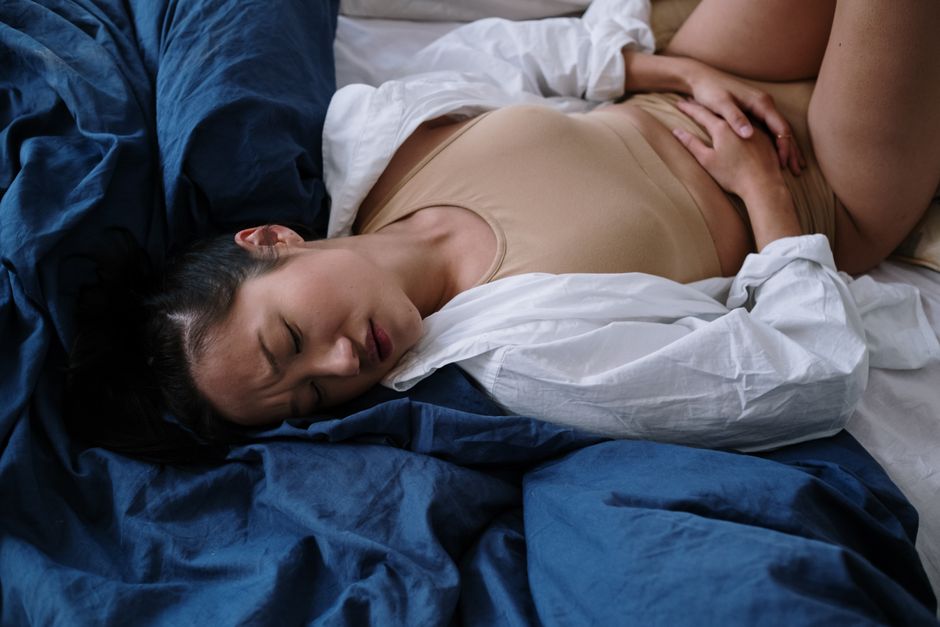
A cramp is a sudden, involuntary muscle contraction that feels tight and painful. It happens when a muscle briefly locks up and will not relax. Most cramps last from a few seconds to several minutes, and they can happen in any muscle, though the legs, feet, and hands are most common. The good news is that most cramps are harmless and can be stopped with simple stretching and movement.
What Is A Cramp Causes Types And How To Stop One
A cramp is a sudden, sharp pain caused by a muscle that contracts on its own and cannot release. This is different from normal muscle movement, where your brain sends a signal to contract and then relax. During a cramp, the muscle stays contracted. The area may feel hard to the touch, and you might see the muscle visibly twitching or bunched up under the skin.
Scientists do not fully agree on why cramps start. The most common explanation involves motor neurons — the nerve cells that tell muscles to move. When these nerves become overly excited, they fire rapid signals that force the muscle to stay contracted. This is why cramps often happen during or after exercise, when nerves are already working hard.
What Causes Muscle Cramps?
Several factors can trigger a cramp, and often more than one is involved. The most common causes include muscle fatigue, dehydration, and electrolyte imbalances. When you sweat, you lose sodium, potassium, calcium, and magnesium. These minerals help nerves and muscles communicate. If levels drop too low, the communication breaks down and muscles can misfire.
Other causes include poor blood circulation, which can make muscles more prone to cramping, and nerve compression. A pinched nerve in the spine can send faulty signals to leg muscles, causing cramps. Certain medications also list cramps as a side effect, including diuretics, statins, and some blood pressure drugs.
Medical conditions can play a role as well. Thyroid disorders, diabetes, and peripheral artery disease all increase cramp risk. In some cases, cramps are an early sign of an underlying issue, especially if they happen frequently, wake you from sleep, or occur with swelling, redness, or weakness.
What Are The Different Types Of Cramps?
Cramps are not all the same. They differ by where they happen and what triggers them.
Skeletal muscle cramps are the most common type. These affect the muscles you use to move, like the calves, thighs, and feet. They often occur during exercise or at night. Nocturnal leg cramps are a specific form of this type. They strike during sleep and can be intense enough to wake you. About 60 percent of adults report having them at some point.
Exercise-associated muscle cramps happen during or right after physical activity. They are common in endurance sports like running and cycling. Heat and heavy sweating increase the risk because they accelerate fluid and electrolyte loss.
Smooth muscle cramps affect internal organs. Menstrual cramps are the most familiar example. These occur when the uterus contracts to shed its lining. They are caused by hormone-like substances called prostaglandins. Gastrointestinal cramps, sometimes called stomach cramps, are another form. They come from the muscles in the intestinal wall contracting too forcefully, often due to gas, bloating, or digestive irritation.
Occupational cramps are less common but worth knowing. These happen from repetitive movements, like writer’s cramp in the hand or musician’s cramp in the fingers. They are sometimes called task-specific dystonias and involve the nervous system more than the muscle itself.



How To Stop A Cramp When It Happens
When a cramp hits, the fastest way to stop it is to stretch the muscle gently. For a calf cramp, straighten your leg and flex your toes toward your knee. For a foot cramp, pull your toes upward. For a hand cramp, extend your fingers and spread them apart. Hold the stretch until the pain fades, which usually takes less than a minute.
Massage can help too. Press firmly on the cramped area with your fingers or the palm of your hand. Some people find that applying heat helps relax the muscle, while cold packs reduce soreness after the cramp subsides. Both are reasonable options, and personal preference matters here.
If you are dehydrated, drink water or an electrolyte drink. If you have been sweating heavily, electrolytes are likely the bigger issue. Sports drinks, coconut water, or oral rehydration solutions can help restore what you lost.
One important note: if a cramp lasts longer than 10 minutes, or if you get cramps frequently without an obvious cause, see a doctor. Persistent cramping can signal a circulation problem, nerve issue, or metabolic disorder that needs evaluation.
How To Prevent Muscle Cramps
Prevention is more effective than treatment for most people. Staying hydrated throughout the day is the single most important step. Do not wait until you are thirsty. Thirst is already a sign that your body is behind on fluids.
Electrolyte balance matters too. If you exercise for more than an hour, or if you sweat heavily, replace sodium and potassium. A banana, a glass of orange juice, or a salty snack after exercise can help. For most people, a normal diet provides enough magnesium and calcium, but if you are deficient, supplements may help. Talk to your doctor before starting any supplement.
Stretching regularly reduces cramp frequency. Calf stretches, hamstring stretches, and quadriceps stretches are especially useful for leg cramps. Stretch before bed if you get nighttime cramps. Some research suggests that a regular stretching routine can cut nocturnal leg cramps by more than half.
Gradually increase exercise intensity rather than jumping into a hard workout. Sudden increases in activity level are a common cramp trigger. Warm up properly before exercise and cool down afterward.
Check your shoes. Poorly fitting footwear can change your gait and put extra strain on foot and calf muscles. Replace worn-out athletic shoes regularly.
When A Cramp Is Not Just A Cramp
Most cramps are benign, but some require medical attention. Seek help if cramps are severe, happen frequently, or last a long time. Also see a doctor if cramps come with numbness, tingling, weakness, or skin changes.
Cramps can sometimes be confused with other conditions. A blood clot in the leg, called deep vein thrombosis, can cause calf pain that feels like a cramp. But a clot usually comes with swelling, warmth, and redness. If you have these symptoms, seek urgent care.
Restless legs syndrome is another condition that is often mistaken for cramping. It causes an uncomfortable urge to move the legs, especially at night, but it is not a true muscle contraction. The treatment approach is different, so an accurate diagnosis matters.
Certain medications can cause cramps as a side effect. If you started a new medication and noticed cramps shortly after, mention it to your doctor. They may adjust the dose or switch you to an alternative.
What Works And What Does Not
Stretching and hydration have the strongest evidence behind them. Studies consistently show that both help with prevention and relief. Electrolyte replacement is well supported for exercise-related cramps, though the evidence is less clear for nighttime cramps.
Quinine was once a common treatment for leg cramps, but it is no longer recommended. The FDA warned against its use for cramps because of serious side effects, including heart rhythm problems. If you see quinine water or tonic water marketed for cramps, ignore it.
Magnesium supplements are popular for cramps, but the evidence is mixed. Some studies show benefit, others do not. If you have normal magnesium levels, taking more is unlikely to help. A blood test can tell you if you are deficient.
Vitamin B complex has shown some promise in small studies, but larger trials have not confirmed consistent benefits. The evidence is not strong enough to recommend it universally.
Frequently Asked Questions
Why do cramps happen at night?
Nighttime cramps most often result from muscle fatigue, dehydration, or sitting or standing for long periods during the day. Some research also suggests that sleeping with your toes pointed downward shortens the calf muscle and makes it more likely to cramp.
Can drinking water stop cramps?
Water helps if dehydration is the cause, but it does not fix an electrolyte imbalance. If you have been sweating heavily, you need sodium and potassium along with water to restore proper muscle function.
Are cramps a sign of a serious health problem?
Occasional cramps are normal and not a cause for concern. Frequent, severe, or persistent cramps can signal nerve compression, circulation problems, or metabolic conditions, so they deserve a medical evaluation.
Is pickle juice an effective treatment for cramps?
Some athletes report relief from pickle juice, and small studies suggest it may shorten cramp duration. The mechanism is unclear, but it may work by triggering a nerve reflex rather than by replacing electrolytes. The evidence base is limited.
