
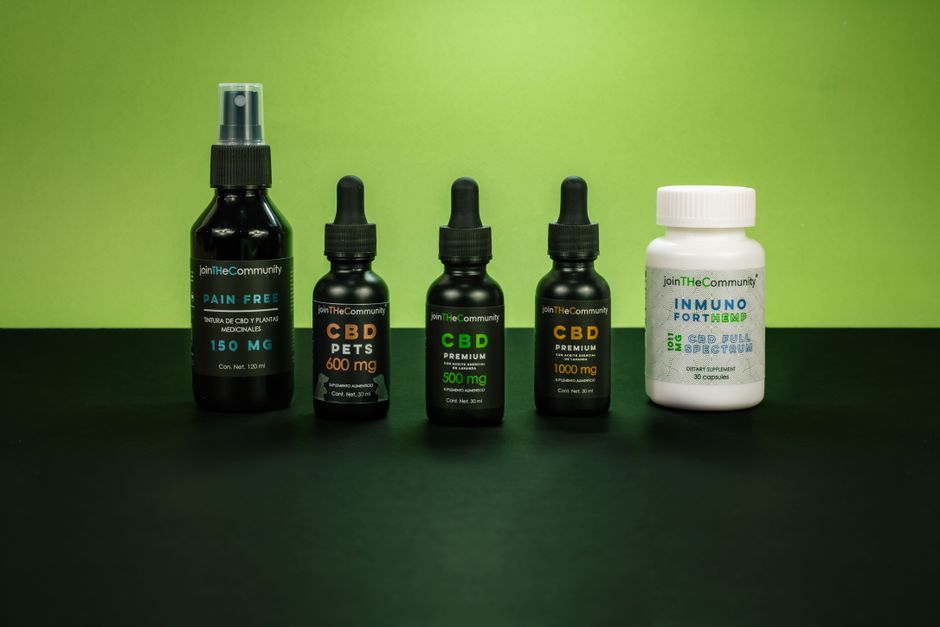
A CBD tincture is a liquid cannabis extract, usually taken by placing drops under the tongue, that contains cannabidiol and little to no THC. People use them for anxiety, sleep, and pain, though the strength of the evidence varies a lot by use. In the United States, the only CBD product with FDA approval is a prescription drug for specific severe seizure disorders — not a tincture you buy at a store.
What Is a CBD Tincture and How Does It Differ From CBD Oil?
A CBD tincture is a liquid CBD product taken by dropper, typically held under the tongue for a short time before swallowing. The word “tincture” originally meant a liquid made by soaking plant material in alcohol. Today, most products sold as CBD tinctures are not true alcohol tinctures at all.
Most are CBD extract mixed into a carrier oil such as MCT oil, olive oil, or hemp seed oil. That makes them chemically closer to what the industry calls CBD oil. In practice, the two terms are used almost interchangeably, and there is no regulated definition that separates them.
A more useful distinction is between product types:
- Full-spectrum: contains CBD plus other cannabis compounds, including trace THC (typically no more than 0.3% by dry weight under US hemp rules)
- Broad-spectrum: contains multiple compounds but THC is removed or reduced to undetectable levels
- Isolate: contains CBD only, with other plant compounds stripped out
Drops, sprays, and capsules are delivery formats, not different categories of product. A tincture is simply the dropper format.
What Are the Potential Benefits of CBD Tinctures?
The most solid evidence for CBD is for seizure control, and that applies to a specific prescription formulation — not over-the-counter tinctures. For everything else, the picture is more mixed.
Here is where the evidence actually stands:
- Epilepsy: A prescription CBD oral solution is FDA-approved for certain severe childhood-onset seizure disorders. This is the strongest evidence base for any CBD product.
- Anxiety: Some small human studies suggest CBD may reduce anxiety in specific situations, but sample sizes are small and results have not been consistently replicated in large trials.
- Sleep: Evidence is limited. Some studies suggest CBD may help with sleep in people who also have anxiety, but it is unclear whether CBD itself is responsible.
- Chronic pain: Most research has looked at THC-dominant cannabis, not CBD alone. Evidence for CBD by itself in pain is weak.
- Inflammation: Laboratory and animal studies show anti-inflammatory activity. Human trial data is limited.
If you see a product claiming to treat arthritis, depression, cancer, or opioid withdrawal, no large human trial has confirmed those claims for CBD tinctures.
How Do CBD Tinctures Work in the Body?
CBD interacts with the body’s endocannabinoid system, a network of receptors and signaling molecules involved in pain, mood, appetite, and immune function. But CBD does not work the way THC does.
THC binds directly to CB1 receptors in the brain, which is what produces the “high.” CBD has very low affinity for CB1 and CB2 receptors. Instead, it appears to influence the system indirectly — for example, by slowing the breakdown of the body’s own endocannabinoids like anandamide, and by interacting with serotonin receptors and other targets.
That indirect mechanism is one reason researchers still debate exactly how CBD produces its effects. The honest answer is that the full picture is not settled.
Absorption matters too. When you swallow CBD, it passes through the liver before reaching the bloodstream, and a large share is broken down before it can act. Holding drops under the tongue lets some CBD absorb directly through the tissue in the mouth, bypassing that first pass. This is why sublingual use is common — but how much more gets absorbed compared to swallowing is not precisely established.





What Types of CBD Tinctures Are Available?
CBD tinctures vary in ways that matter for what you actually get.
| Type | Contains | Notes |
|---|---|---|
| Full-spectrum | CBD, other cannabinoids, terpenes, trace THC | Trace THC may be detectable on a drug test |
| Broad-spectrum | Multiple cannabinoids, THC removed | Lower drug-test risk, though not zero |
| Isolate | CBD only | No other plant compounds |
| Water-soluble | CBD with emulsifiers | Marketed for better absorption; evidence limited |
Concentration is another variable. Products are often labeled in milligrams of CBD per bottle and milligrams per dropper. A 30 mL bottle with 1,500 mg of CBD contains roughly 50 mg per full dropper, assuming a 1 mL dropper. Dosing is not standardized, and no official guideline sets a daily CBD dose for general use.
How Are CBD Tinctures Used?
Most tinctures come with a dropper marked in milliliters. Common directions say to place the drops under the tongue, hold for 30 to 60 seconds, then swallow. Some people add drops to food or drinks instead.
Effects, when they occur, are typically felt within 30 minutes to a couple of hours, depending on how it is taken. Sublingual use tends to come on faster than swallowing. CBD is not a fast-acting product, and anyone expecting immediate relief may be disappointed.
If you take prescription medication, talk to a pharmacist or doctor before starting CBD. CBD inhibits certain liver enzymes in the cytochrome P450 family, which are involved in breaking down many common drugs. That interaction can raise blood levels of some medications, including certain blood thinners and anti-seizure drugs. This is a real, documented concern — not a theoretical one.
Side effects reported in clinical studies include drowsiness, diarrhea, fatigue, and changes in appetite or liver enzymes. In the FDA-approved seizure medication, liver enzyme elevations are a labeled risk that requires monitoring.
What Should You Look For When Buying a CBD Tincture?
CBD products are not held to the same manufacturing standards as medications or supplements in the US. The FDA does not currently regulate CBD tinctures the way it regulates drugs. That leaves quality control largely to the manufacturer.
Some things worth checking:
- Third-party lab testing: A certificate of analysis (COA) should confirm CBD content and screen for pesticides, heavy metals, and residual solvents.
- Label accuracy: Independent testing has repeatedly found that some products contain less CBD than the label states, or contain THC when they claim not to.
- THC content: Full-spectrum products can contain enough trace THC to trigger a positive drug test in some people.
- Source hemp: US-grown hemp is subject to some agricultural oversight, though it does not guarantee a safe finished product.
Price is not a reliable signal of quality. Neither is the word “pharmaceutical grade,” which has no legal definition for CBD.
Is a CBD Tincture Legal in the US?
Federal law legalized hemp-derived products containing no more than 0.3% THC by dry weight under the 2018 Farm Bill. That made many CBD tinctures legal at the federal level.
State rules vary. Some states have stricter limits or require specific labeling. The FDA has stated that it is illegal to introduce CBD into interstate commerce as a food or dietary supplement, even though enforcement has been limited. This creates a confusing legal landscape where products are widely sold but not formally approved as supplements.
If you travel or order online, check your state’s rules. They are not uniform.
Frequently Asked Questions
How long does a CBD tincture take to work?
Held under the tongue, effects are often noticed within 30 minutes to two hours. Swallowed CBD tends to take longer because it passes through the liver first.
Can a CBD tincture make you fail a drug test?
Yes, it is possible. Full-spectrum products can contain trace THC that accumulates with regular use, and some people have tested positive after using them.
Is a CBD tincture the same as CBD oil?
In practice, the terms are used interchangeably. Most products sold as tinctures are CBD extract mixed into a carrier oil, which is essentially CBD oil in a dropper bottle.
Does a CBD tincture interact with medications?
It can. CBD affects liver enzymes that break down many prescription drugs, which may raise their blood levels. Talk to your doctor or pharmacist before combining them.
