
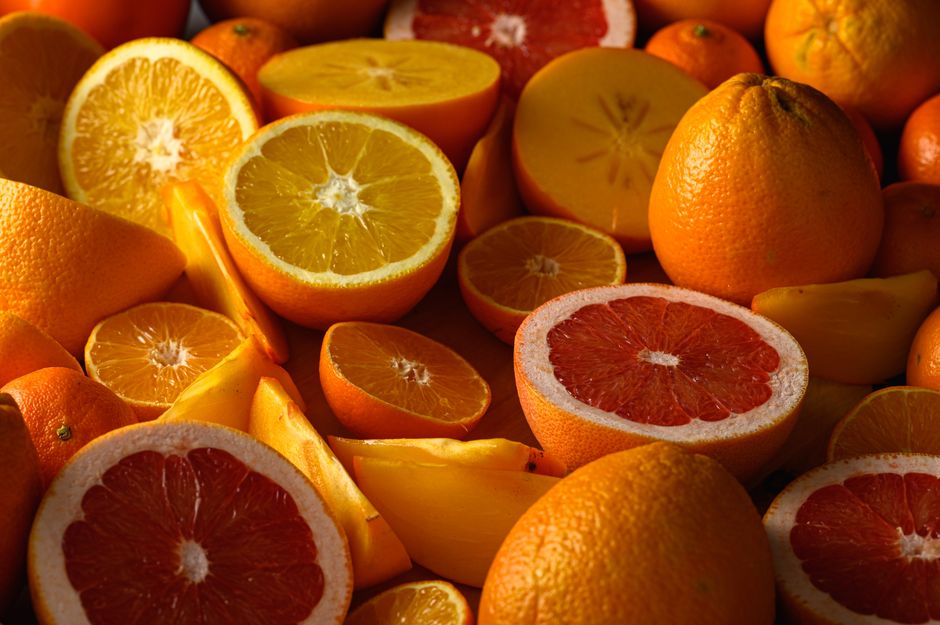
A sweet orange is the fruit of Citrus sinensis, a citrus tree grown in warm climates around the world. It is not the same species as the sour orange, the bitter fruit used in marmalade. Sweet oranges are eaten fresh, juiced, and used in cooking, and they are a well-established source of vitamin C and other nutrients.
Most sweet oranges sold in the US fall into four groups: navel, Valencia, blood, and the common round oranges often sold as “juicing oranges.” Each has a different texture, sweetness level, and best use. All of them share a similar nutrition profile, though the details vary somewhat by variety and how the fruit is eaten.
What Is A Sweet Orange Varieties Nutrition And Uses?
Sweet orange varieties differ mainly in how they look, taste, and hold up to storage and juicing. Their nutrition is broadly similar, with vitamin C as the standout nutrient.
The four main groups you will see in US stores:
- Navel oranges — large, seedless, easy to peel, with a thick rind. Best eaten fresh. They do not juice well because the juice turns bitter quickly after squeezing.
- Valencia oranges — thinner-skinned, juicier, and often seedier. These are the classic juicing orange and are also good for eating. They tend to be available later in the season than navels.
- Blood oranges — smaller, with red or crimson flesh. The color comes from anthocyanin pigments, which are more common in berries than in citrus. They have a slightly tart, sometimes berry-like flavor.
- Common round oranges — the generic “orange” category, often sold for juicing or eating. Flavor and seediness vary by growing region and season.
Variety matters most for texture, sweetness, and how you plan to use the fruit. For nutrition, the differences between varieties are modest. A navel and a Valencia orange deliver a similar mix of vitamin C, folate, potassium, and fiber. Blood oranges add anthocyanins, but the amounts are not large enough to make strong health claims about them.
How Much Vitamin C Is in a Sweet Orange?
A medium navel orange supplies roughly 70 milligrams of vitamin C, based on USDA nutrient data. That is close to the daily vitamin C recommendation for most adults, which is 75 milligrams for women and 90 milligrams for men.
Vitamin C is water-soluble, so your body does not store much of it. You need it regularly. It supports collagen production, helps the body absorb iron from plant foods, and acts as an antioxidant.
Here is the point most people miss: the vitamin C in orange juice is not the same as the vitamin C in a whole orange. Juice loses much of the fiber and the protective structure of the fruit. A whole orange also takes longer to eat, which tends to make it more filling. If you are choosing between the two for nutrition, the whole fruit is the better choice.
Vitamin C levels do drop with storage and heat. Fresh oranges eaten soon after purchase retain more than oranges stored for long periods or cooked at high heat.
What Other Nutrients Does a Sweet Orange Provide?
Beyond vitamin C, a whole orange supplies fiber, folate, potassium, and small amounts of several B vitamins and minerals. The fiber sits mostly in the pith and the membranes between segments.
Key nutrients in one medium orange:
- Fiber — roughly 3 grams, mostly soluble fiber in the form of pectin
- Folate — a B vitamin important for cell division and red blood cell formation
- Potassium — a mineral involved in blood pressure regulation and muscle function
- Thiamin and riboflavin — B vitamins used in energy metabolism
- Calcium and magnesium — present in small amounts
Oranges also contain plant compounds called flavonoids, including hesperidin. Some research suggests flavonoids may support blood vessel function, but the evidence is not strong enough to make specific health claims about oranges on that basis. The fruit is nutritious. It is not a treatment for any condition.
One medium orange has about 60 to 70 calories and no fat or cholesterol. It is a low-calorie, nutrient-dense food.





Is Orange Juice as Healthy as Eating a Whole Orange?
No. Whole oranges and orange juice are not nutritionally equivalent, even when the juice is freshly squeezed.
Juicing removes most of the fiber and the chewy structure that slows digestion. A cup of orange juice can contain the juice of three or four oranges, so you take in more sugar and calories in a few seconds than you would eating one fruit. The sugar in juice is natural, but your body processes it faster without the fiber buffer.
Whole fruit tends to be more filling and has a lower impact on blood sugar than the equivalent amount of juice. For most people, whole oranges are the better everyday choice. Juice can still fit into a balanced diet in modest amounts, but it should not replace whole fruit as your main source of citrus.
If you drink juice, watch the portion. One small glass is a reasonable serving. Drinking large amounts regularly adds up quickly in calories and sugar.
What Are the Main Uses of Sweet Oranges?
Sweet oranges are used fresh, juiced, zested, and cooked. Each use has practical differences worth knowing.
Eating fresh is the most nutrient-preserving use. Peel and eat the segments, or add them to salads and salsas.
Juicing works best with Valencia oranges. Navels turn bitter soon after squeezing because of compounds in the peel and pith. If you juice navels, drink the juice right away.
Zesting uses the colored outer peel, which holds aromatic oils. Avoid the white pith underneath, which is bitter. Zest adds flavor to baked goods, dressings, and marinades.
Cooking with orange segments or juice works in sauces, glazes, and desserts. Heat reduces vitamin C, so cooked orange dishes deliver less of it than fresh fruit.
Preserving — marmalade is traditionally made with sour oranges, not sweet ones, because sweet oranges lack the bitterness and pectin balance that marmalade needs. Sweet orange peel can still be candied or used in chutneys.
Who Should Be Careful With Oranges?
Oranges are safe for most people, but a few groups should pay attention.
Citrus fruits, including oranges, can interact with certain medications. Grapefruit is the best-known example, but some evidence indicates that high intakes of orange and orange juice may affect how the body processes certain drugs. If you take prescription medication, ask your pharmacist whether citrus interacts with it. This is a real safety issue, not a minor one.
People with acid reflux or GERD may find that oranges worsen symptoms. The acidity can irritate an already sensitive esophagus. This varies from person to person.
Oranges are a common allergen, though citrus allergy is less common than other food allergies. Symptoms can include itching, hives, or in rare cases more serious reactions.
For people with diabetes, whole oranges are generally a reasonable fruit choice because of their fiber content, but portion size and overall carbohydrate intake still matter. Juice raises blood sugar faster than whole fruit.
No clinical guidelines currently exist for specific orange intake in pregnancy, infancy, or breastfeeding beyond general dietary advice. Whole fruit is generally preferred over juice in these groups.
How Should You Store Sweet Oranges?
Sweet oranges keep well at room temperature for about a week and longer in the refrigerator. Cooler temperatures slow spoilage and help retain vitamin C.
Store oranges in a cool, dry place away from direct sunlight if you plan to eat them within a few days. For longer storage, keep them in the refrigerator crisper drawer. Wash the peel before cutting or zesting, since the outside can carry dirt and residues.
Do not store cut oranges at room temperature for long. Refrigerate cut fruit and use it within a few days.
Frequently Asked Questions
Are navel and Valencia oranges the same?
No, they are different varieties with different uses. Navel oranges are best eaten fresh, while Valencia oranges are juicier and better for juicing.
How much vitamin C is in one orange?
A medium orange provides roughly 70 milligrams of vitamin C, based on USDA data. That is close to the daily recommendation for most adults.
Is it healthy to drink orange juice every day?
Modest amounts can fit into a balanced diet, but juice lacks the fiber of whole fruit and is easy to overconsume. Whole oranges are the better everyday choice.
Can oranges interact with medications?
Some evidence suggests high intakes of orange and orange juice may affect how the body processes certain drugs. Ask your pharmacist if you take prescription medication.
