
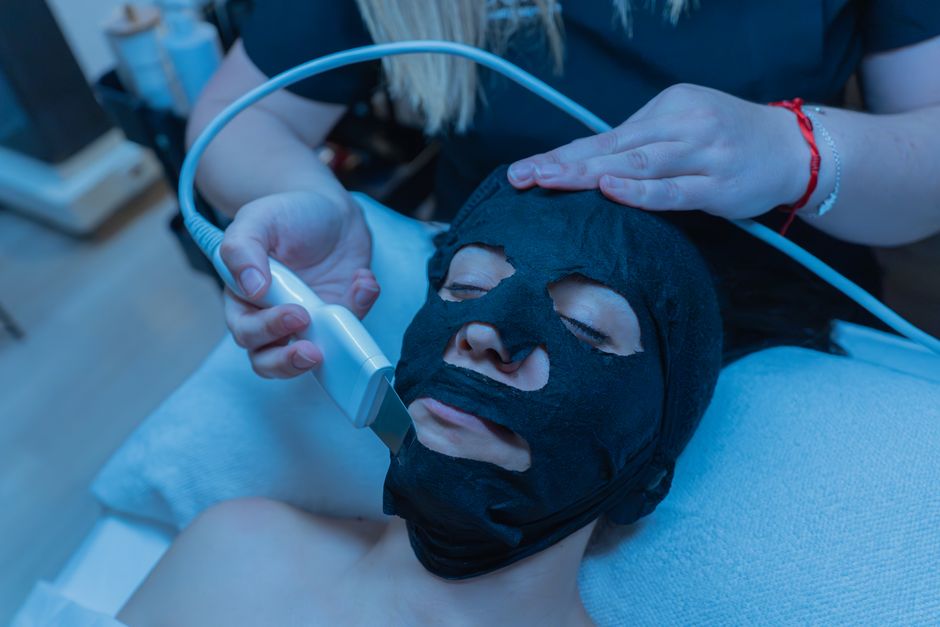
A carbon facial is a skin treatment that uses a thin layer of liquid carbon applied to the face, followed by a laser that passes over the skin to heat and break down that carbon layer. The procedure is best known for targeting oiliness, enlarged pores, and mild acne, and it is often marketed as a “laser facial.” In the United States, a single session typically costs somewhere between $150 and $500 depending on the clinic and city, and most people need a series of sessions rather than one. Results are usually temporary, and the evidence for how well it works is thinner than the marketing suggests.
What Is a Carbon Facial and How Does It Work?
A carbon facial is a two-step laser procedure. First, a carbon-based lotion or mask is spread over the face and allowed to dry. The carbon particles settle into the openings of hair follicles and pores. Then a laser — most often a Q-switched Nd:YAG laser — is passed over the skin.
The laser energy is absorbed by the carbon particles rather than by the surrounding skin. As the carbon heats up and breaks apart, it creates a small mechanical and thermal effect at the surface. Some of the carbon is also removed from inside the pores during the pass. This is why the treatment is sometimes called a “carbon peel” or “laser pore treatment.”
The idea is that by concentrating the laser energy on the carbon, you get a controlled exfoliating and heating effect without deep injury to the skin. In practice, the evidence that this produces meaningful long-term change in pore size or acne is limited. Pores do not have muscles that open and close, and they cannot be permanently shrunk. What a carbon facial may do is temporarily reduce the appearance of oil and debris sitting in the pores, which can make them look smaller for a while.
What Results Can You Realistically Expect?
Most people who get a carbon facial see a temporary improvement in how smooth and even their skin looks. This usually shows up within a few days and fades over the following weeks.
Reported short-term effects include:
- Slightly less visible oil on the skin surface
- A temporary reduction in the appearance of pore size
- Mild improvement in skin texture
- A short-lived brightening effect
What the treatment does not do is remove deep wrinkles, erase acne scars, or permanently change skin structure. Some clinics market it for those purposes, but the evidence does not support those claims. A carbon facial is a surface-level cosmetic procedure, not a resurfacing treatment.
It is also worth being clear about the mechanism. The improvement people notice is largely about what is sitting on and just inside the skin surface at the time of treatment. Once oil production and skin cell turnover return to their normal pattern — which happens within days to a few weeks — the skin looks the way it did before.
How Much Does a Carbon Facial Cost?
Carbon facial pricing in the US generally falls between $150 and $500 per session. The wide range reflects differences in location, provider type, and how the clinic packages the treatment.
Factors that push the price up or down include:
- City and region: Major metro areas cost more than smaller markets
- Provider type: Dermatologist offices usually charge more than med spas
- Device used: Some clinics use newer laser platforms and price accordingly
- Package deals: Buying multiple sessions upfront often lowers the per-session cost
- Add-ons: Extractions, masks, or LED light therapy added to the same visit raise the total
A series of three to six sessions is commonly recommended, which means a full course can run from roughly $500 to $3,000. That is a meaningful amount of money for a treatment with limited evidence behind it. Anyone considering it should ask what the realistic outcome is for their specific skin concern before committing to a package.
Insurance does not cover carbon facials. It is a cosmetic procedure, and that is worth knowing before you book.





How Many Sessions Are Needed and How Long Do Results Last?
Clinics typically recommend a series of three to six sessions spaced about two to four weeks apart, followed by occasional maintenance sessions. There is no standard protocol agreed on across the field, which itself tells you something about how much is settled here.
Results from a single session usually last a few weeks at most. Maintenance schedules vary widely — some people go monthly, others every few months. Because the effect is temporary and the evidence base is thin, there is no evidence-based schedule that can be pointed to as correct.
If you are paying for a package, it is reasonable to ask the provider what specific, measurable change they expect and over what timeframe. A vague answer is a signal to think carefully.
Is a Carbon Facial Safe, and What Are the Risks?
Carbon facials are generally well tolerated when performed by a trained provider using appropriate settings. Side effects are usually mild and short-lived.
Common temporary effects include:
- Redness for a few hours to a day
- Mild warmth or tingling during and after treatment
- Dryness or flaking for a few days
- Temporary darkening of the skin in some people, particularly those with darker skin tones
The risk of pigmentation changes is real and worth taking seriously. People with darker skin tones or those prone to melasma should discuss this with a dermatologist before treatment. Laser settings that work well on lighter skin can cause unwanted darkening or lightening on darker skin.
Anyone with an active skin infection, open wounds, or who is taking certain photosensitizing medications should not have this treatment without medical clearance. If you are pregnant or breastfeeding, there is no clinical guidance establishing that carbon facials are safe or unsafe in that context, so the honest position is that the data is not there. Ask a doctor rather than relying on a clinic’s reassurance.
How Does It Compare to Other Treatments?
Carbon facials sit at the gentler end of the laser and light treatment spectrum. That means less downtime but also less dramatic results.
For acne, topical treatments like retinoids and benzoyl peroxide have far more evidence behind them than carbon facials. For pore appearance and oil control, prescription topicals also have better supporting data. For skin resurfacing and scarring, fractional lasers and chemical peels have stronger evidence, though they involve more downtime and higher risk.
If clearer skin is the goal, it is worth talking to a dermatologist about what is actually driving your concern. Oiliness, acne, and pore appearance have different causes, and the treatment that works depends on the cause. A carbon facial may be a reasonable add-on for someone who wants a low-downtime cosmetic boost. It is not a substitute for treating an underlying skin condition.
Who Should Consider a Carbon Facial — and Who Should Skip It?
A carbon facial may appeal to someone with mildly oily skin who wants a quick cosmetic refresh with minimal downtime and understands the results are temporary. It is not a medical treatment and should not be chosen to address a diagnosed skin condition without medical input.
People who should be cautious or skip it include those with darker skin tones without a prior dermatology consult, anyone with active acne cysts or skin infections, people taking photosensitizing medications, and anyone who is pregnant or breastfeeding, since no safety data exists for that group.
The most useful thing you can do before booking is ask the provider three questions: What specific change do you expect for my skin? How long will it last? What is the evidence for that? If the answers are vague or lean on before-and-after photos alone, that is worth weighing carefully.
Frequently Asked Questions
How much does a carbon facial cost?
A single carbon facial in the US typically costs between $150 and $500, depending on your city, the provider, and the device used. A full series of sessions often runs from $500 to $3,000, and insurance does not cover it.
How long do carbon facial results last?
Results from a single session usually last a few weeks at most. The effect is temporary because it mainly reflects reduced surface oil and debris rather than a permanent change to the skin.
Is a carbon facial the same as a laser facial?
A carbon facial is one type of laser facial, using a carbon lotion plus a Q-switched laser. Other laser facials use different devices and target different layers of skin, so results and downtime vary.
Can a carbon facial permanently shrink pores?
No. Pores do not open and close, and no treatment permanently shrinks them. A carbon facial may make pores look smaller for a short time by clearing oil and debris from the surface.
