
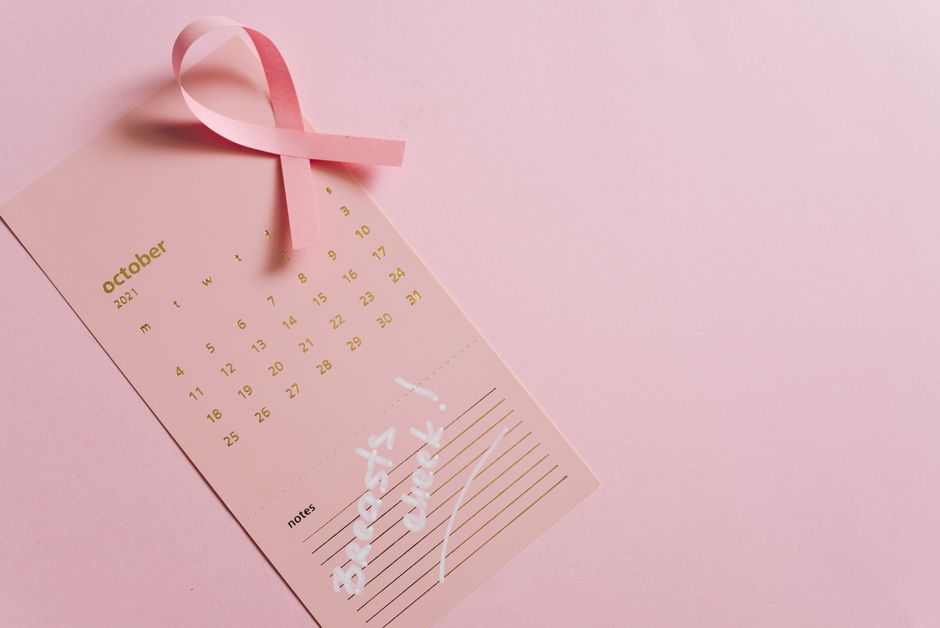
A breast self-exam is a step-by-step method you can use to look at and feel your breast tissue for any changes. While it is not a substitute for mammograms or clinical exams, it is a way to become familiar with how your breasts normally look and feel. Knowing your own baseline makes it easier to notice when something is different, such as a new lump, skin dimpling, or nipple discharge.
What Is A Breast Self Exam And How Do You Do It?
A breast self-exam involves two main parts: looking at your breasts in a mirror and feeling them with your hands. The goal is not to diagnose anything—it is to detect changes that warrant a professional evaluation. Most medical organizations agree that mammograms are the most effective screening tool for breast cancer, but self-awareness remains a useful daily habit.
To perform the exam, start by standing in front of a mirror with your shoulders straight and your arms on your hips. Look for any visible changes in size, shape, or contour. Then raise your arms overhead and look for the same changes. Finally, check for dimpling, puckering, or changes in the skin texture, as well as any changes to the nipples.
For the manual part of the exam, use the pads of your three middle fingers. Move them in small circular motions covering the entire breast area, from your collarbone to your ribcage and from your armpit to your breastbone. You should apply three levels of pressure: light to feel the tissue closest to the skin, medium to feel a little deeper, and firm to feel the tissue closest to the chest wall.
Repeat this process while lying down. When lying flat, breast tissue spreads out evenly along the chest wall, which makes it easier to feel. Some women also perform the exam in the shower, where soap and water can help the fingers glide more smoothly over the skin.
Why Do Breast Self-Exams Matter?
The value of breast self-exams has been debated in the medical community for years. Early research suggested they might help detect cancer earlier, but larger and more recent studies have not shown that self-exams reduce breast cancer deaths. This is why many major health organizations have shifted their guidance from recommending routine self-exams to promoting “breast self-awareness.”
Breast self-awareness means knowing what is normal for your body and reporting any changes to a doctor promptly. It is not about performing a perfect exam on a strict schedule. It is about noticing that something feels different—a new lump, a change in skin color, or an inverted nipple that was not there before.
That distinction matters. A self-exam can give you false reassurance if you find nothing but a cancer is present, or it can cause unnecessary anxiety if you find a benign lump. Most breast lumps are not cancerous—studies consistently show that more than 80 percent of biopsied breast lumps are benign—but only a doctor can determine that with certainty.
When Should You Perform a Breast Self-Exam?
If you choose to perform regular self-exams, timing matters because breast tissue changes throughout the menstrual cycle. Hormonal fluctuations cause the breasts to feel lumpier, tender, or swollen at certain points in the cycle. Examining at the wrong time can make normal tissue feel concerning.
The best time is usually a few days after your period ends. At this point, the breasts are least likely to be swollen or tender. For women who are postmenopausal or who have irregular cycles, choosing a specific day each month—such as the first day of the month—can help establish a consistent routine.
Consistency is more important than frequency. A monthly exam at the same point in your cycle gives you a reliable comparison from month to month. Performing the exam sporadically or at different times in your cycle makes it harder to distinguish normal cyclical changes from genuine concerns.





What Are the Signs You Should Not Ignore?
Knowing what to look for is as important as knowing how to perform the exam. Some changes are more concerning than others, and any new change deserves attention. You do not need to panic, but you should schedule an appointment with your healthcare provider.
- A new lump or mass that feels different from the surrounding tissue
- Swelling, warmth, or redness of the breast
- Skin dimpling that resembles the texture of an orange peel
- Nipple pain or the nipple turning inward
- Nipple discharge that is not breast milk, particularly if it is bloody
- Changes in breast size or shape that are not related to your cycle
Many of these symptoms turn out to be benign conditions such as cysts, fibroadenomas, or infections. But the only way to know is through clinical evaluation, which may include imaging such as a mammogram or ultrasound. Delaying evaluation does not make a concerning finding less serious—it only delays potential treatment.
Does a Self-Exam Replace a Mammogram?
No. Breast self-exams do not replace mammograms or clinical breast exams performed by a healthcare provider. Mammograms can detect tumors that are too small to feel by hand, often years before they would become palpable. This is why mammography remains the gold standard for breast cancer screening.
Current guidelines for average-risk women generally recommend starting regular mammograms at age 40 or 45, depending on the organization, and continuing every one to two years. Women with a family history of breast cancer or known genetic mutations such as BRCA1 or BRCA2 may need to start earlier or undergo additional imaging such as MRI. Your doctor can help determine the right screening schedule for your specific risk profile.
The self-exam is a complementary practice, not a replacement. It serves a different purpose: helping you stay attuned to your body between scheduled screenings. Some cancers—particularly aggressive ones—can develop in the interval between mammograms. Being aware of your normal breast tissue increases the chance that you will notice something unusual during that gap.
Are There Limitations to Self-Exams?
It is important to understand what a breast self-exam cannot do. Breast tissue is naturally lumpy, especially in women with dense breasts. Fibrocystic changes, which are benign, can make the breasts feel ropey or nodular throughout the menstrual cycle. Distinguishing a concerning lump from normal glandular tissue by touch alone is genuinely difficult, even for trained clinicians.
Research has not demonstrated that routine self-exams reduce mortality from breast cancer. A large study conducted in China involving over 260,000 women found no difference in breast cancer deaths between women who performed regular self-exams and those who did not. This finding led many organizations to walk back their earlier recommendations for monthly self-exams.
That does not mean self-exams are worthless. It means they should be understood as a tool for self-awareness rather than a proven screening method. The honest position is that self-exams are reasonable to perform if you find them useful, but they are not a substitute for professional screening.
What Should You Do If You Find a Lump?
Finding a lump can be frightening, but the first step is to stay calm and take sensible action. Do not wait for the lump to go away on its own if it is new or persistent. Schedule an appointment with your healthcare provider within a few weeks.
Before your appointment, note when you first noticed the lump and whether it has changed in size. Pay attention to whether it is painful, whether it moves freely under the skin, and whether it changes with your menstrual cycle. This information helps your doctor determine the next steps.
Your doctor will likely perform a clinical breast exam and may order imaging. Depending on your age and the characteristics of the lump, this could be a diagnostic mammogram, an ultrasound, or both. If imaging shows a suspicious area, a biopsy may be recommended to determine whether the tissue is benign or malignant.
Most breast lumps are benign. Cysts, which are fluid-filled sacs, are common and often resolve on their own. Fibroadenomas, which are solid but non-cancerous tumors, are also common, particularly in younger women. But benign does not mean you should skip the evaluation—only a healthcare professional can tell the difference with certainty.
Frequently Asked Questions
How often should I perform a breast self-exam?
Performing a self-exam once a month is a reasonable approach. Choose a consistent time, such as a few days after your period ends or the first day of the month if you are postmenopausal.
At what age should I start doing breast self-exams?
There is no strict medical consensus on when to start, but becoming familiar with your breasts in your 20s is a sensible time. The goal is to establish a baseline before age-related changes in breast tissue become more common.
Can a breast self-exam detect cancer that a mammogram misses?
It is possible but uncommon. Mammograms are designed to detect cancers before they are palpable, but interval cancers can develop between screenings, and some aggressive tumors grow quickly. This is why self-awareness remains valuable, even though self-exams have not been proven to reduce mortality.
Is it normal for one breast to feel different from the other?
Yes, it is completely normal for breasts to differ in size, shape, and texture. Asymmetry is common and rarely a sign of disease. What matters is noticing a change in your own tissue compared to your personal baseline.
