
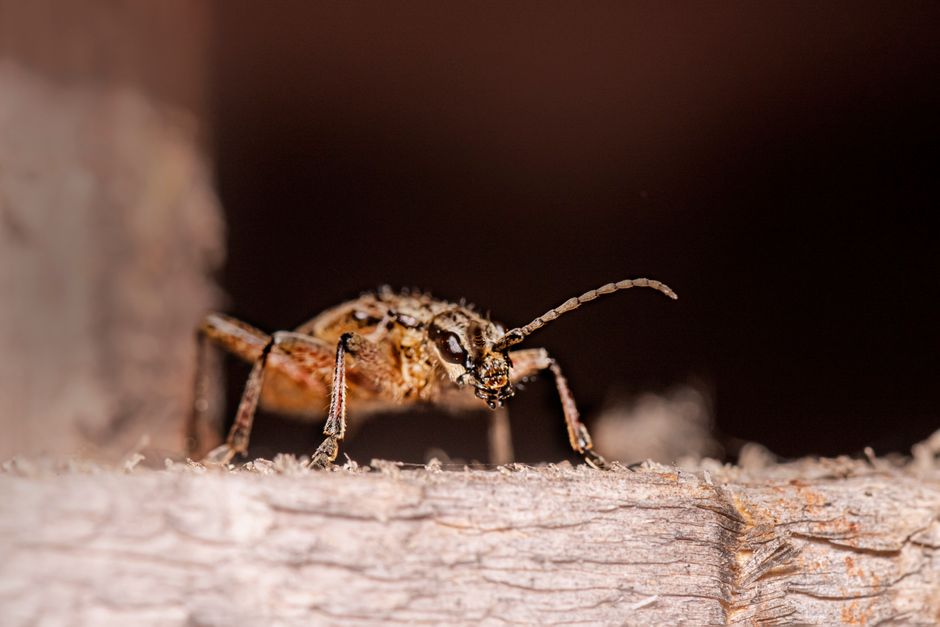
Borer is a broad term for insect larvae that tunnel into wood, plants, or stored food. These pests damage trees, wooden structures, and pantry items by feeding from the inside. Managing them starts with identifying the type, spotting the signs early, and removing the infested material or applying targeted treatments. The most common borers are wood-boring beetles, tree borers, and pantry moths that attack dry goods.
What Is A Borer Types Signs And How To Manage?
Borer is not one single insect. It describes any larval stage that chews into a host. The three main categories are wood borers, plant borers, and food pests. Each leaves different signs and requires a different management approach.
Wood borers include powderpost beetles, old house borers, and carpenterworms. Plant borers include peach tree borers, squash vine borers, and corn borers. The term also covers pantry pests like Indian meal moths, though these are technically moths, not beetles.
Signs of activity include small exit holes, fine sawdust, frass (insect droppings), and weakened stems or branches. In food, you may see webbing, small caterpillars, or adult moths flying near cabinets.
What Are The Common Types Of Borers?
Wood-boring beetles are the most damaging to homes. Powderpost beetles leave tiny round holes and fine, flour-like dust. Old house borers create larger oval holes and a coarse, powdery frass. The larvae can tunnel for years inside structural timber before adults emerge.
Tree borers attack living trees. The peach tree borer enters at the base of the trunk. The emerald ash borer kills ash trees by cutting off water and nutrient flow under the bark. The squash vine borer targets garden plants, boring into stems near the soil line.
Pantry borers are less destructive to structures but ruin food. The Indian meal moth larvae feed on flour, cereal, dried fruit, and pet food. They spin silk webbing across the surface of the food as they feed.
Each type has a different life cycle. Some complete their development in months. Others, like the old house borer, can take several years. Knowing the species matters because treatment timing depends on the life cycle.
What Are The Signs Of A Borer Infestation?
Signs vary by location and species. In wood, the most obvious clue is exit holes. Fresh holes are light-colored inside. Old holes look darker and may be filled with dust.
Frass is another key sign. Powderpost beetles produce a fine powder that feels like flour. Old house borers leave a coarser, matchstick-like frass. If you see piles of dust under wooden beams or furniture, inspect the wood above.
On living trees, look for sawdust at the base, oozing sap, or dieback in the canopy. Bark may peel away to reveal winding tunnels underneath. Squash vine borers cause sudden wilting of a single stem even when the soil is moist.
In the pantry, signs include webbing in flour or cereal, small larvae crawling on shelves, and adult moths flying at dusk. The larvae are white or pinkish with brown heads. They are often found near the top of the food package.
You may also hear wood borers. In quiet rooms, some species produce a faint ticking or rasping sound as larvae chew. This is not a reliable detection method but can confirm activity in severe infestations.





How Do I Identify The Exact Borer Species?
Accurate identification requires examining the insect, the damage, and the host material. The shape and size of exit holes help narrow the options. A professional pest inspector or local extension office can identify the species from a sample.
Collect a few adults or larvae in a sealed container. Take clear photos of the holes and frass. Note whether the damage is in hardwood, softwood, a living tree, or stored food. This information narrows the list considerably.
Some species require laboratory confirmation. The emerald ash borer, for example, leaves D-shaped exit holes and serpentine tunnels under the bark. These signs are distinctive enough for a trained eye. Other wood borers leave similar damage, so species-level identification may need a specialist.
Do not assume all holes are from the same pest. Multiple borer species can infest the same tree or structure at different times.
How Do I Manage Wood Borers In The Home?
Management depends on whether the infestation is active and how much wood is affected. For small items like furniture, removing the infested piece is the simplest solution. You can also freeze small wooden objects at 0°F for several days to kill larvae. This works for furniture, picture frames, and decorative wood.
For structural infestations, first confirm the wood is still sound. If the damage is cosmetic and the larvae are gone, no treatment is needed. If the wood is crumbling or load-bearing, call a structural pest control professional.
Surface sprays are rarely effective. The larvae are deep inside the wood, so contact insecticides cannot reach them. Fumigation with a licensed professional is the only method that penetrates deep into structural timber. This requires tenting the home and is not a DIY project.
Borate-based wood treatments can prevent new infestations on exposed surfaces. These products are applied to bare wood and soak in, creating a barrier. They are not effective on painted or finished surfaces.
How Do I Manage Tree Borers In The Garden?
Healthy trees resist borers better than stressed ones. Water during drought, avoid wounding the trunk, and mulch around the base without piling mulch against the bark. Keep pruning cuts clean and seal large wounds only if recommended by an arborist.
For active infestations, prune out and destroy infested branches. Do not compost them. The larvae survive in cut wood and can emerge nearby.
Some borers have specific control methods. Squash vine borers can be managed by slitting the stem lengthwise, removing the larva, and burying the cut stem in soil. This works if caught early. Peach tree borers may be controlled with trunk sprays applied at specific times in the season, but timing is critical.
Insecticides are not always the answer. Many tree borers are difficult to reach with sprays because the larvae are protected under bark. Systemic insecticides applied to the soil or trunk can work but require correct timing and professional guidance.
For emerald ash borer, treatment is preventive. Once symptoms appear, the tree may already be too damaged. Some communities have quarantine regulations that restrict movement of firewood. Follow local rules to avoid spreading the pest.
How Do I Manage Pantry Borers?
Pantry infestations start in a food package that was already contaminated. The first step is to inspect all dry goods. Look inside bags, boxes, and containers. Check the folds of paper packaging where larvae hide.
Discard any food with signs of webbing, larvae, or adult moths. Do not try to salvage infested food by sifting or freezing. The eggs are too small to see, and the food quality is already compromised.
Empty the pantry shelves and vacuum thoroughly. Pay attention to cracks and corners. Wash shelves with soap and water, then wipe with vinegar if you prefer a non-chemical approach. Vinegar does not kill insects but removes pheromone trails that attract moths.
Store all dry goods in airtight glass, metal, or hard plastic containers. Transfer cereal, flour, pasta, and pet food out of their original packaging. This prevents reinfestation and makes future problems easier to spot.
Pheromone traps can catch adult male Indian meal moths. These traps help monitor for activity but do not eliminate an infestation. They are useful after cleaning to confirm the problem is gone.
When Should I Call A Professional?
Call a professional if the infestation is in structural wood, if you cannot identify the pest, or if the damage is spreading despite your efforts. Wood borers in load-bearing beams require expert assessment. A structural engineer or pest control specialist can determine if the wood needs replacement.
For tree borers, consult a certified arborist if the tree is large, valuable, or near structures. Some borer species are regulated pests. In those cases, reporting the sighting to your local agricultural authority may be required.
For pantry pests, professionals are rarely needed. Thorough cleaning and proper storage usually resolve the problem. If infestations keep returning, check for a hidden source like an old bag of pet food or birdseed stored in a garage.
Can Borers Spread To Other Parts Of The House?
Yes. Adult beetles fly to new wood to lay eggs. They can spread from an infested piece of furniture to floorboards, joists, or framing. The risk is highest in homes with unfinished wood or high humidity.
Wood moisture matters. Many wood borers prefer damp wood with high moisture content. Fixing leaks, improving ventilation, and reducing indoor humidity makes the environment less suitable for new infestations. This is one of the most effective prevention measures.
Firewood is a common source of wood borer introduction. Do not store firewood indoors. Keep it outside, away from the house, and bring in only what you will burn immediately. Inspect logs for holes before bringing them inside.
What Does Not Work Against Borers?
Ultrasonic pest repellers do not work on borers. There is no reliable evidence these devices repel wood-boring insects. The same applies to most natural repellent sprays marketed for borers. No study has confirmed their effectiveness.
Bleach and household cleaners do not kill larvae inside wood. They may clean the surface but do not penetrate to where the insects are. Painting over exit holes does not kill larvae either. It only hides the damage.
Microwave treatment of wood is experimental and not recommended for home use. Heat treatment requires controlled conditions that are difficult to achieve safely in a residential setting.
Frequently Asked Questions
How do I know if borer holes are active?
Fresh exit holes have light-colored wood inside and may release fine dust when tapped. Old holes are darker and contain no fresh frass.
Can borers infest dry wood?
Yes, some species like powderpost beetles can infest wood with low moisture content, especially in warm climates. Others prefer damp wood, so moisture control is still important.
Will painting wood prevent borer infestation?
Paint and varnish create a barrier that helps prevent new infestations on finished surfaces. It does not kill larvae already inside the wood.
Are borers dangerous to humans?
No. Borers do not bite, sting, or transmit diseases to humans. Their danger is limited to structural damage and food spoilage.
