
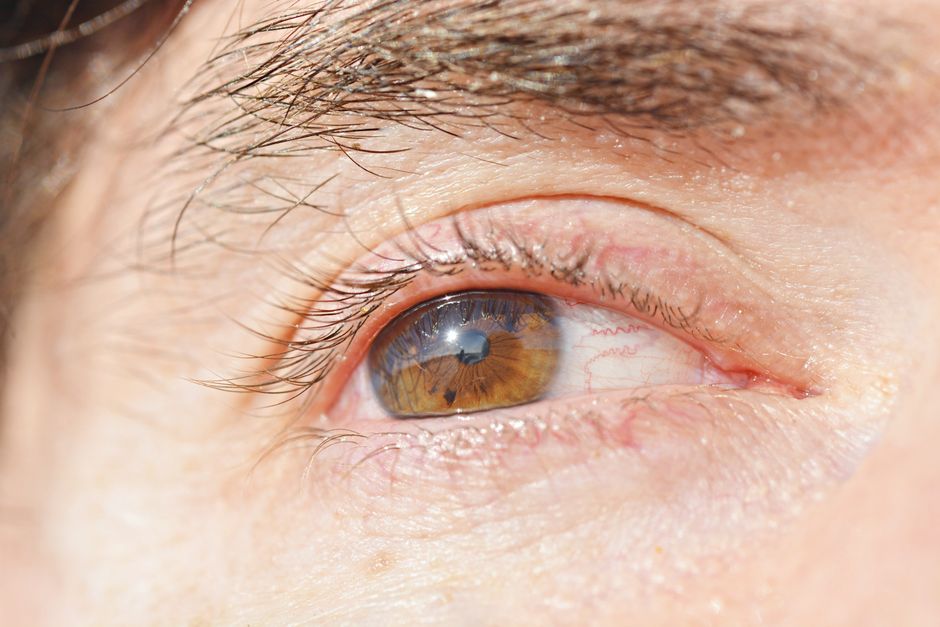
A blown pupil is a medical emergency. It means one pupil is much larger than the other and does not constrict when a light is shined into it. This condition often signals a serious problem inside the brain, such as increased pressure or bleeding. If you or someone near you develops a blown pupil suddenly, call 911 or go to the nearest emergency room immediately. Time matters here, and quick treatment can be the difference between recovery and permanent damage.
What Is a Blown Pupil Exactly?
A blown pupil is a pupil that is fixed and dilated. In a healthy eye, the pupil changes size to control how much light enters. It gets smaller in bright light and larger in dim light. When a pupil is “blown,” it stays large and does not respond to light at all.
This typically happens on one side of the face only. Both pupils blown at the same time is extremely rare and usually points to a different set of causes, such as severe drug exposure or brain death. But when someone talks about a blown pupil, they almost always mean a single, unresponsive, enlarged pupil.
The medical term for unequal pupil sizes is anisocoria. Not all anisocoria is dangerous. About 20 percent of the population has a small, harmless difference in pupil size that has been present since birth. A blown pupil is different because it is a sudden change, and the pupil does not react to light.
What Causes a Blown Pupil?
The most common cause of a blown pupil is increased pressure inside the skull. This pressure can come from several sources. Head trauma, stroke, brain tumor, or bleeding inside the brain can all push brain tissue against the nerves that control the pupil.
The nerve responsible for pupil constriction is the third cranial nerve, also called the oculomotor nerve. When pressure in the brain rises, this nerve can get compressed. When that happens, the pupil loses its ability to constrict and stays fully dilated.
Other causes include:
- Severe head injury with swelling of the brain
- Stroke, especially hemorrhagic stroke where bleeding occurs
- A brain aneurysm that ruptures
- A tumor pressing on the brainstem
- Infection or inflammation of the brain, such as encephalitis
- Drug overdose, particularly with certain anticholinergic medications or recreational drugs
Eye-specific problems can also cause a dilated pupil, but these are less common. Trauma to the eye itself, acute angle-closure glaucoma, or damage to the iris from surgery can all cause a pupil to appear blown. These do not involve the brain, but they still require immediate medical evaluation.
How Is a Blown Pupil Diagnosed?
When you arrive at the emergency room, the medical team will assess your pupils as part of a neurological exam. They will check pupil size, equality, and reaction to light. They will also check how your eyes move and whether your eyelids droop.
Imaging is the next step. A CT scan of the head is usually the first test ordered because it is fast and can detect bleeding, fractures, or swelling. In some cases, an MRI may be needed to see soft tissue details more clearly. If a ruptured aneurysm is suspected, a CT angiogram or cerebral angiogram may be performed.
The diagnosis of a blown pupil is not the final answer. It is a sign pointing to an underlying problem. The medical team must find out what is causing the pressure or nerve damage to treat it correctly.





Why Is a Blown Pupil a Medical Emergency?
The brain sits inside a rigid skull. When something inside the skull swells or bleeds, there is nowhere for the extra volume to go. Pressure builds up. This is called increased intracranial pressure.
As pressure rises, the brain can shift from its normal position. This shifting can push the uncus, a part of the temporal lobe, downward against the brainstem. This is called uncal herniation. When the uncus presses on the third cranial nerve, the pupil dilates and stops reacting.
Uncal herniation is life-threatening. It can compress the brainstem, which controls breathing and heart rate. If left untreated, it can lead to coma, permanent brain damage, or death. A blown pupil is often one of the earliest signs that this process is happening.
This is why a blown pupil is treated as a code-level emergency. It is not something to wait on or observe at home. The window for effective treatment can be narrow, and every minute counts.
What Treatments Are Available for a Blown Pupil?
Treatment depends entirely on the underlying cause. The goal is to reduce pressure on the brain and address whatever is causing it.
For increased intracranial pressure, doctors may use medications called osmotic diuretics, such as mannitol, to draw fluid out of the brain. They may also place a breathing tube and hyperventilate the patient temporarily to reduce carbon dioxide levels, which constricts blood vessels and lowers pressure.
If bleeding is present, surgery may be needed. This could mean draining a blood clot, clipping a ruptured aneurysm, or removing a piece of the skull to give the brain room to swell. This last procedure is called a craniectomy.
If the cause is a stroke, clot-busting medications or procedures to remove the clot may be used if the patient arrives in time. If the cause is an infection, antibiotics or antiviral medications are started immediately.
The blown pupil itself is not treated directly. Once the underlying pressure is relieved, the pupil often returns to normal. But this is not guaranteed. In some cases, permanent nerve damage leaves the pupil enlarged even after the emergency is resolved.
Can a Blown Pupil Recover?
Recovery depends on how fast treatment begins and how severe the underlying damage is. Some patients recover full pupil function within days. Others have lasting changes.
Research shows that a blown pupil that resolves quickly after treatment is a positive sign. It suggests the nerve compression was temporary. A pupil that remains blown for a long time, or that appears along with other severe neurological signs, carries a worse outlook.
The underlying condition matters more than the pupil itself. A patient with a small bleed that is caught early has a much better chance than a patient with massive brain swelling from a severe traumatic injury. The pupil is a window into the brain, but it is not the whole picture.
If you notice a sudden change in pupil size in yourself or someone else, do not wait to see if it goes away. Call emergency services. Even if it turns out to be something less serious, the risk of not acting is too high.
What Else Can Cause Unequal Pupils That Is Not an Emergency?
Not every unequal pupil is a blown pupil. Some causes are benign, but they still deserve a medical check.
Adie’s tonic pupil is a condition where one pupil is larger and reacts slowly to light. It is caused by damage to the nerve fibers that control the pupil muscle. It is not life-threatening, but it can be permanent. It is more common in women and often appears in the 20s to 40s age range.
Horner’s syndrome causes a smaller pupil on one side, not a larger one. It results from damage to the sympathetic nerve pathway. It can be caused by a stroke, tumor, or injury, so it still requires evaluation.
Migraine attacks can cause temporary pupil changes in some people. Certain eye drops, even over-the-counter ones, can affect pupil size. So can exposure to certain plants or chemicals.
The key difference is suddenness and responsiveness. A blown pupil appears suddenly and does not react to light. Benign anisocoria is usually stable, has been present for a long time, and both pupils still react normally.
When Should You Seek Immediate Care?
Seek immediate emergency care if a pupil suddenly becomes large and does not respond to light, especially if it is accompanied by:
- Severe headache
- Dizziness or confusion
- Weakness on one side of the body
- Difficulty speaking
- Loss of consciousness
- Nausea or vomiting
Even without these symptoms, a sudden blown pupil alone is enough reason to go to the emergency room. There is no safe way to observe this at home. The consequences of waiting are potentially catastrophic.
If the pupil change happened after a fall or blow to the head, this is especially urgent. Head injuries can cause bleeding that builds pressure slowly at first, then rapidly. A blown pupil may be the first sign that this is happening.
Frequently Asked Questions
Can stress cause a blown pupil?
No. Stress can cause both pupils to dilate temporarily, but it does not cause a single blown pupil that fails to react to light. A blown pupil requires immediate medical evaluation.
How long does a blown pupil last?
It lasts until the underlying cause is treated. Some pupils recover within days after pressure is relieved, while others remain permanently enlarged if nerve damage is severe.
Is a blown pupil always a sign of brain damage?
No, but it is a sign of a serious underlying condition until proven otherwise. It can result from eye trauma, certain medications, or increased brain pressure, and only a medical evaluation can determine the cause.
Can a blown pupil be fixed?
Treatment focuses on the underlying cause, not the pupil itself. Once the cause is addressed, the pupil may return to normal, but full recovery is not guaranteed in every case.
