
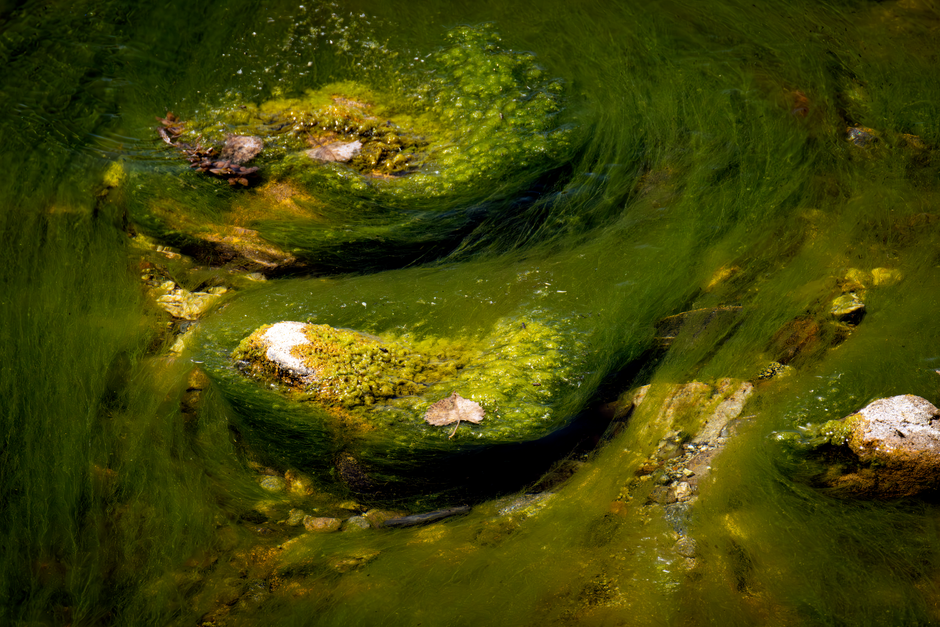
A biofilm is a community of microorganisms that stick to each other and to a surface, living inside a self-produced matrix of slime. This slime, made of sugars, proteins, and DNA, acts like a protective fortress. Biofilms form on living tissues, like teeth and lungs, and on non-living surfaces, like pipes and medical devices. Their structure, life cycle, and impact on human health make them a critical topic in modern medicine, especially because they are highly resistant to antibiotics.
What Is A Biofilm Structure Life Cycle And Impact?
A biofilm’s structure is not random. It is a highly organized, layered community. The matrix, often called extracellular polymeric substance (EPS), holds the cells together and attaches them to a surface. Within this structure, microorganisms communicate and share nutrients. The life cycle moves through distinct stages: attachment, colonization, maturation, and dispersal. The impact is significant because biofilms cause persistent infections that resist standard treatments.
The structure protects the bacteria inside. Antibiotics and immune cells struggle to penetrate the thick matrix. This is why biofilm infections are hard to cure. The bacteria in the deeper layers also grow slowly, which makes many antibiotics less effective because those drugs target rapidly dividing cells.
How Do Biofilms Form?
Biofilm formation begins with a single free-floating bacterium landing on a surface. This is called the attachment stage. The initial attachment is often reversible. The bacterium can leave if conditions are not right. If conditions are favorable, the cell produces proteins that anchor it permanently to the surface.
Once anchored, the bacterium begins to multiply and produce the EPS matrix. This matrix is the defining feature of a biofilm. It creates a three-dimensional structure with channels that allow water and nutrients to flow through. The community becomes a cooperative system rather than a collection of individual cells.
The surface itself matters. Rough surfaces are easier for bacteria to colonize than smooth ones. Implanted medical devices, like catheters and artificial joints, provide ideal surfaces for biofilm formation. The human body also has natural surfaces, such as teeth, where dental plaque is a well-known biofilm.
What Are the Stages of the Biofilm Life Cycle?
The biofilm life cycle is commonly described in four stages. Understanding these stages helps explain why biofilms are so difficult to eliminate.
Stage 1: Initial Attachment. Planktonic (free-floating) bacteria contact a surface. Weak physical forces, like van der Waals forces, hold them loosely. The attachment is reversible at this point. Many bacteria will detach and return to a free-floating state.
Stage 2: Irreversible Attachment. The bacteria produce adhesins and extracellular polymers. These molecules bind the cells firmly to the surface and to each other. This step is permanent. Once this stage is reached, the bacteria cannot simply be washed away.
Stage 3: Maturation. The biofilm grows into a complex, layered structure. Cell-to-cell communication, called quorum sensing, coordinates gene expression across the community. The matrix thickens, and the biofilm develops channels for nutrient delivery and waste removal. This mature structure can house multiple species of bacteria and fungi.
Stage 4: Dispersal. Individual cells or clusters detach from the mature biofilm. These cells return to a planktonic state and can colonize new surfaces. Dispersal is a major reason why biofilm infections spread. In the body, dispersal can seed new infections in other tissues.



Why Are Biofilm Infections So Difficult to Treat?
Biofilms are dramatically more resistant to antibiotics than free-floating bacteria. The EPS matrix acts as a physical barrier, slowing antibiotic penetration. Some antibiotics never reach the deeper layers in sufficient concentrations.
The bacteria inside a biofilm are also in different metabolic states. Cells on the surface are active and dividing. Cells in the center are often dormant or slow-growing. Most antibiotics work by disrupting active cellular processes, like protein synthesis or cell wall construction. Dormant cells are largely unaffected by these drugs.
This explains why a course of antibiotics that clears a planktonic infection may only suppress a biofilm infection. When the antibiotic is stopped, the surviving cells in the biofilm can repopulate. This is why chronic infections often relapse weeks or months after treatment ends.
Biofilms also evade the immune system. The matrix shields bacteria from white blood cells. Some studies indicate that immune cells that do penetrate the biofilm become less effective or even contribute to tissue damage. The immune response can become chronic, leading to long-term inflammation.
What Medical Conditions Are Linked to Biofilms?
Biofilms are implicated in a wide range of human infections. Some are common and chronic. Others are associated with medical devices.
- Dental plaque: The most familiar biofilm. If not removed by brushing, it leads to tooth decay and gum disease.
- Chronic wounds: Diabetic foot ulcers and pressure sores often harbor biofilms. These wounds heal slowly or not at all because the biofilm maintains a state of chronic inflammation.
- Lung infections: People with cystic fibrosis develop chronic Pseudomonas aeruginosa biofilm infections in their airways. These infections are lifelong and progressively damage lung tissue.
- Medical device infections: Catheters, pacemakers, prosthetic joints, and artificial heart valves can become colonized. Once a biofilm forms on a device, the device often must be removed to cure the infection.
- Chronic sinusitis: Some cases of recurring sinus infections are linked to biofilms on the sinus lining.
- Middle ear infections: Biofilms have been found in the middle ears of children with recurrent otitis media.
The common thread is persistence. These infections do not resolve with a single course of antibiotics. They recur, require repeated treatment, and often become a permanent condition.
How Are Biofilm Infections Diagnosed?
Diagnosing a biofilm infection is challenging. Standard laboratory cultures grow free-floating bacteria. Biofilm bacteria often do not grow in these cultures, or they grow poorly. This can lead to false-negative results, where the lab reports no infection even though a biofilm is present.
Clinicians increasingly suspect biofilms when an infection is chronic, recurs despite appropriate antibiotics, or is associated with a medical device. In some cases, specialized laboratory techniques are used to detect biofilm bacteria. These techniques are not routine in most hospitals.
There are no simple blood tests that confirm a biofilm infection. Diagnosis is often clinical, based on the pattern of the infection and the patient’s history. For device-related infections, the device may be removed and tested directly.
What Treatment Options Exist for Biofilm Infections?
Treatment depends on the location of the biofilm and whether a medical device is involved. No single approach works for all biofilm infections.
Mechanical removal is often the most effective strategy. For dental plaque, this means brushing and professional cleaning. For infected wounds, it means debridement, which is the surgical removal of dead tissue and biofilm. For infected medical devices, removal of the device is frequently required.
Antibiotic therapy is used but often requires higher doses and longer courses than for standard infections. Combination therapy, using two or more antibiotics, is sometimes more effective. However, even aggressive antibiotic regimens may not fully eradicate a mature biofilm.
Newer strategies are being studied. These include enzymes that break down the EPS matrix, agents that disrupt quorum sensing, and bacteriophages (viruses that infect bacteria). Some research suggests these approaches may improve outcomes, but they are not yet standard clinical practice.
For chronic conditions like cystic fibrosis, treatment focuses on suppressing the biofilm and managing symptoms rather than curing the infection. This is an honest reflection of the current limits of medicine in this area.
Can Biofilms Be Prevented?
Prevention is more effective than treatment. For medical devices, prevention strategies include using materials that resist bacterial attachment and coating devices with antimicrobial agents. These approaches reduce but do not eliminate the risk of biofilm formation.
Good hygiene prevents many common biofilm infections. Regular brushing and flossing prevent dental plaque. Proper wound care prevents biofilms in chronic wounds. For people with recurring sinus or ear infections, addressing underlying anatomical issues can reduce the risk.
There is no vaccine against biofilms. The diversity of bacterial species and the complexity of the matrix make vaccine development difficult. Research is ongoing, but a clinical vaccine is not available.
Frequently Asked Questions
Can antibiotics kill biofilms?
Antibiotics can kill bacteria on the surface of a biofilm, but they struggle to penetrate the matrix and often fail to kill dormant cells in the deeper layers. This is why biofilm infections frequently relapse after antibiotic treatment ends.
Are all bacteria capable of forming biofilms?
Most bacterial species can form biofilms under the right conditions, but some are more prone to it than others. Pseudomonas aeruginosa, Staphylococcus aureus, and Streptococcus mutans are well-known for their biofilm-forming ability.
How long does it take for a biofilm to form?
Initial attachment can happen within minutes to hours of bacteria contacting a surface. A mature, fully structured biofilm typically develops over several days, depending on the species and environmental conditions.
Is dental plaque a biofilm?
Yes, dental plaque is a classic example of a biofilm. It contains hundreds of bacterial species living in a matrix on the tooth surface, and it requires mechanical removal through brushing and flossing because it resists simple rinsing.
