
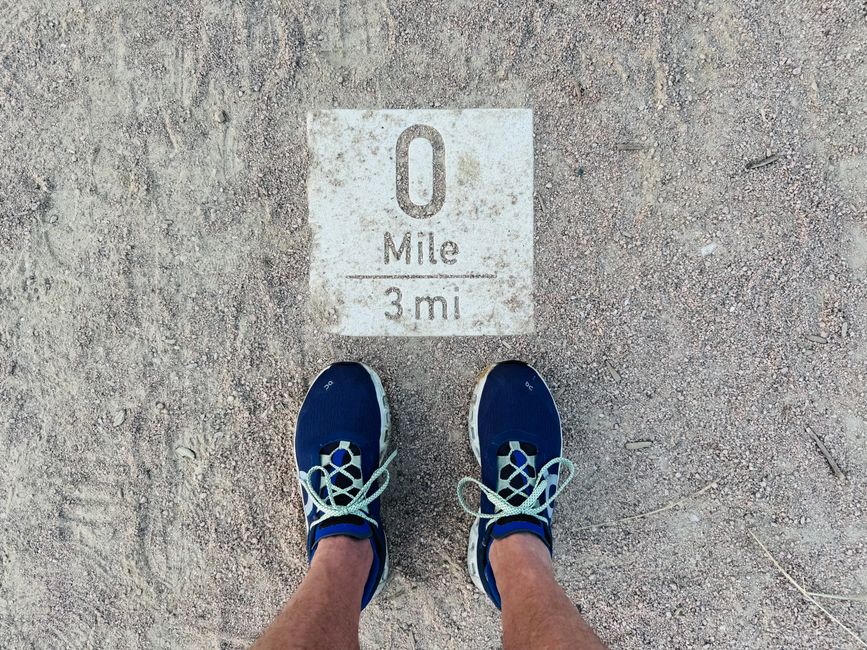
A 10K race is exactly 10 kilometers long. In miles, that is 6.2 miles. This distance is a popular goal for runners who have already completed a 5K and are looking for a bigger challenge without committing to a full marathon.
What Is A 10K In Miles Exactly?
The math here is simple and exact. One kilometer equals 0.621371 miles. Multiply that by 10 and you get 6.21371 miles. For practical purposes, the racing world rounds this to 6.2 miles.
Most 10K courses are certified for accuracy. This means the measured distance is precise to within a small margin. When you run a certified 10K, you can trust that the course is truly 6.2 miles. Your GPS watch might say slightly more or less, but that is due to satellite error and your running path, not the course itself.
How Does A 10K Compare To Other Race Distances?
Understanding where the 10K sits among common race distances helps you plan your training. Here is a quick comparison of standard race lengths.
| Race Distance | Kilometers | Miles |
|---|---|---|
| 5K | 5 km | 3.1 miles |
| 10K | 10 km | 6.2 miles |
| Half Marathon | 21.1 km | 13.1 miles |
| Marathon | 42.2 km | 26.2 miles |
The 10K is exactly double the 5K distance. It is also roughly half of a half marathon. For many runners, this makes it a natural stepping stone between the two.
How Long Does It Take To Run A 10K?
Finishing times vary widely based on fitness level, age, and experience. A beginner might finish in 70 to 90 minutes. An intermediate runner often finishes between 50 and 65 minutes. Advanced runners may finish in 40 to 50 minutes. Elite runners finish well under 30 minutes.
Your pace matters more than the total time. A 10K at a 10-minute-per-mile pace takes about 62 minutes. At a 9-minute pace, you finish in about 56 minutes. At an 8-minute pace, you cross the line in about 50 minutes.
There is no single “correct” time. The best goal is one that fits your current fitness level. If this is your first 10K, focus on finishing comfortably rather than hitting a specific number.





What Is A Good 10K Training Plan?
Most training plans for a 10K run last 8 to 12 weeks. This assumes you can already run or run-walk for about 30 minutes without stopping. If you are starting from zero, plan for a longer buildup before the official training begins.
A typical week of training includes three to four running days. One of those days is a long run that gradually increases in distance. Another day is often a speed workout where you run intervals at a faster pace. The remaining days are easy runs at a conversational pace. Rest days are essential. Your body builds fitness during recovery, not during the workout itself.
Cross-training can help. Cycling, swimming, or strength training once or twice a week builds fitness without adding impact to your joints. Strength training for the legs and core helps prevent injury and improves running economy.
How Should You Pace A 10K Race?
The 10K is a tricky distance to pace. It is short enough that you can push yourself, but long enough that going out too fast will hurt you later. The common mistake is starting too quickly and fading in the final miles.
A smarter approach is negative splitting. This means running the second half slightly faster than the first half. Start at a pace that feels comfortable and controlled. If you feel good at the halfway point, gradually increase your speed. Many runners find they pass others in the final mile because those runners started too fast.
Your breathing is a useful guide. In the early miles, you should be able to speak in short sentences. If you cannot say more than a word or two, you are likely running too fast. Save your hardest effort for the last mile or two.
What Should You Eat Before A 10K?
Food before a race serves one purpose: topping off your energy stores. A 10K does not require heavy carbohydrate loading. That strategy is more relevant for marathons.
Eat a light meal or snack 2 to 3 hours before the start. Focus on easily digestible carbohydrates. Good options include a banana, toast with jam, oatmeal, or a plain bagel. Avoid high-fat and high-fiber foods that can cause stomach discomfort during the run.
Hydration matters too. Drink water regularly in the days before the race. On race morning, drink about 16 to 20 ounces of water in the hours before the start. Do not overdo it right before the gun goes off, or you will need a bathroom break mid-race.
What Gear Do You Need For A 10K?
You do not need much equipment for a 10K. The essentials are a good pair of running shoes, moisture-wicking clothing, and a race bib.
Running shoes are the most important purchase. Visit a specialty running store where staff can watch you run and recommend shoes based on your foot shape and gait. Replace shoes every 300 to 500 miles. Worn shoes lose cushioning and increase injury risk.
Wear clothing you have trained in. Race day is not the time to try new shorts or a new shirt. New gear can cause chafing or discomfort. Dress for the weather, keeping in mind that you will warm up once you start moving.
Carry water only if you know you need it. Most 10K races have water stations every mile or two. Carrying your own bottle is fine but adds weight. If you train with a handheld bottle, race with it. If not, rely on the aid stations.
How Do You Prevent Injuries During 10K Training?
Injury prevention starts with gradual progression. The 10% rule is a common guideline: increase your weekly mileage by no more than 10% per week. This is not a hard scientific law, but it is a reasonable guardrail against doing too much too soon.
Listen to your body. Sharp pain is different from muscle soreness. Soreness after a hard workout is normal. Sharp or persistent pain during running is a warning sign. If something hurts, back off. Resting for a few days is better than forcing a run and ending up sidelined for weeks.
Warm up before speed workouts. A brisk 10-minute jog followed by dynamic stretches prepares your muscles for harder effort. Cool down with easy jogging and static stretching afterward.
What Are Common 10K Mistakes To Avoid?
The most common mistake is starting too fast. Adrenaline at the start line makes everyone feel invincible. The result is a fast first mile and a miserable final mile. Stick to your planned pace for at least the first two miles.
Another mistake is skipping long runs. The long run builds the endurance you need for the full distance. Even if it feels slow, it is doing important work. Do not replace your long run with extra speed work.
Neglecting rest days is also a problem. Running every day without recovery leads to burnout and injury. Your training plan includes rest days for a reason. Respect them.
Frequently Asked Questions
How many miles is a 10K run?
A 10K run is 6.2 miles. This is the standard distance for a 10K race.
Is a 10K harder than a 5K?
Yes, a 10K is twice the distance of a 5K and requires more endurance. The pace is generally slower than a 5K pace but faster than a half marathon pace.
How long does it take the average person to run a 10K?
The average recreational runner finishes a 10K in about 55 to 70 minutes. Beginners often take longer, while experienced runners finish faster.
Can a beginner run a 10K?
Yes, beginners can complete a 10K with proper training. Most plans assume you can already run for 30 minutes and build up over 8 to 12 weeks.
