
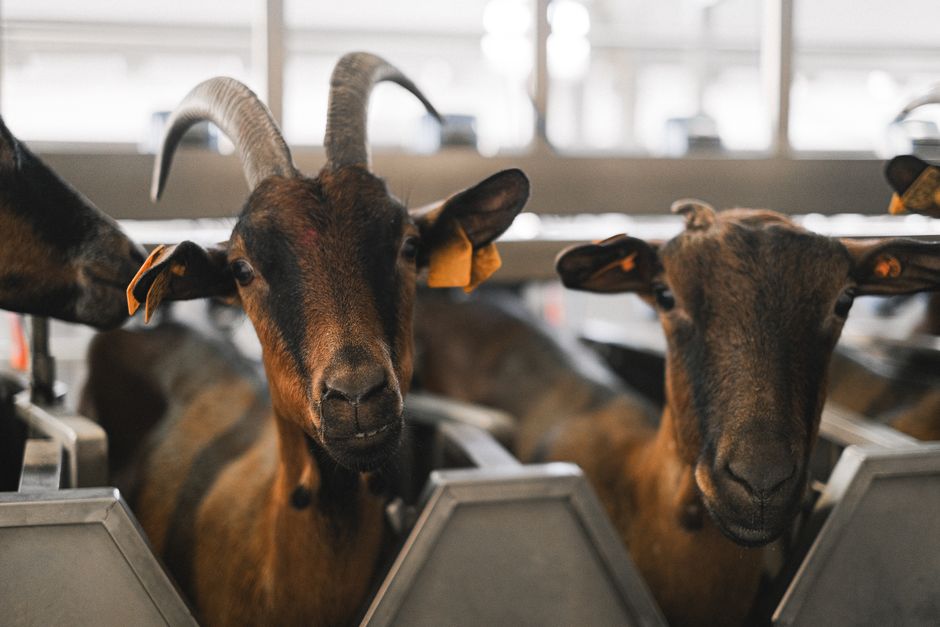
Goats are useful animals for many reasons. They provide milk, meat, and fiber. They also help manage land by eating weeds and brush. Some people keep goats as pets or pack animals. The key is knowing what each use requires and what the evidence shows about benefits and limits.
What Are Goats Good For? An Overview
Goats serve multiple practical purposes. Their milk is a common alternative to cow milk. Their meat is lean and eaten worldwide. Their fiber produces cashmere and mohair. And their grazing habits make them effective natural weed controllers. Each use has its own strengths and drawbacks.
What Makes Goat Milk Different From Cow Milk?
Goat milk has a similar lactose content to cow milk, contrary to a common belief. However, its protein structure is different. Goat milk contains less alpha-casein and more beta-casein. Some research suggests this may make it easier to digest for certain people. But it is not a treatment for milk allergy or lactose intolerance.
Goat milk is also slightly higher in some nutrients like calcium and potassium. The fat globules in goat milk are smaller, which helps keep the cream suspended. This means goat milk is naturally homogenized. Some people find the taste stronger or “goaty” depending on the animal’s diet and handling.
Is Goat Meat a Healthy Protein Source?
Goat meat, often called chevon or kid, is a lean red meat. It has less fat and fewer calories than beef, pork, or lamb. It is also a good source of protein, iron, and B vitamins. The fat content varies by cut and feeding, but generally goat meat is lower in saturated fat than other red meats.
No large clinical trials have specifically compared the long-term health effects of eating goat meat versus other meats. The evidence for its health benefits comes mostly from its nutritional profile, not from outcome studies. People with gout or kidney disease should still follow their usual dietary guidelines, as goat meat contains purines and protein.





How Are Goats Used for Land Management?
Goats are effective at eating brush, poison ivy, kudzu, and many invasive plants. They prefer browsing on leaves and stems rather than grazing grass like sheep or cattle. This makes them useful for clearing overgrown areas without chemicals. Some municipalities and landowners hire goat herds as a natural vegetation control method.
Goats can damage young trees and desirable plants if not managed. They also need fencing that is secure and tall enough. Goats are intelligent and can escape poor enclosures. Rotational grazing is common to prevent overgrazing and parasite buildup. The evidence that goats can reduce fire risk by clearing brush is well established in some regions.
What Are the Benefits of Goat Fiber?
Two main types of goat fiber are cashmere and mohair. Cashmere comes from the soft undercoat of cashmere goats. It is prized for its softness and warmth. Mohair comes from Angora goats and has a silky, lustrous texture. Both fibers are renewable and biodegradable. They are used in high-end clothing and textiles.
No clinical studies exist comparing the health or comfort benefits of goat fiber to other natural fibers. The value is mostly in luxury and sustainability. Shearing goats for fiber requires skill and proper animal care. Overproduction or poor shearing can harm the animal.
Can You Keep a Goat as a Pet?
Goats can be kept as pets, but they have specific needs. They are herd animals and should not live alone. A single goat will become stressed and may develop health or behavior problems. At least two goats are recommended. Goats need space for exercise, secure shelter, and a diet of hay, browse, and minerals.
Goats are not low-maintenance pets. They require daily care, hoof trimming, deworming, and veterinary attention. They can be destructive to gardens and fences. Some local zoning laws restrict goat ownership. If you are considering a goat as a pet, check regulations first and be prepared for a 10- to 15-year commitment.
What Are the Risks or Downsides of Goats?
Goats can carry certain parasites and diseases that may affect other animals or humans. Common parasites include coccidia and intestinal worms. Goats are also susceptible to enterotoxemia from overeating grain. Proper management, quarantine of new animals, and regular veterinary care reduce these risks.
Some people may be allergic to goat dander or milk proteins, though this is less common than cow milk allergy. Goat milk is not safe for infants under 12 months as a primary milk source. The American Academy of Pediatrics advises against giving goat milk to infants due to inadequate nutrient levels.
Frequently Asked Questions
Is goat milk good for lactose intolerance?
Goat milk contains about the same amount of lactose as cow milk, so it is not a solution for lactose intolerance. Some people with mild intolerance find it easier to digest due to different protein structure, but this is not guaranteed.
What is goat meat called?
Goat meat is commonly called chevon or kid. In some cultures it is simply referred to as goat. The term “cabrito” refers to young goat meat.
How much land do goats need?
General guidance is about 200-500 square feet per goat for pasture or browsing area. More space is better to reduce parasite loads and allow natural behavior. Local zoning laws may impose specific requirements.
Can you keep a single goat as a pet?
No. Goats are herd animals and need at least one companion. A lone goat will become stressed and may develop health or behavioral issues. Always keep a minimum of two goats.
