
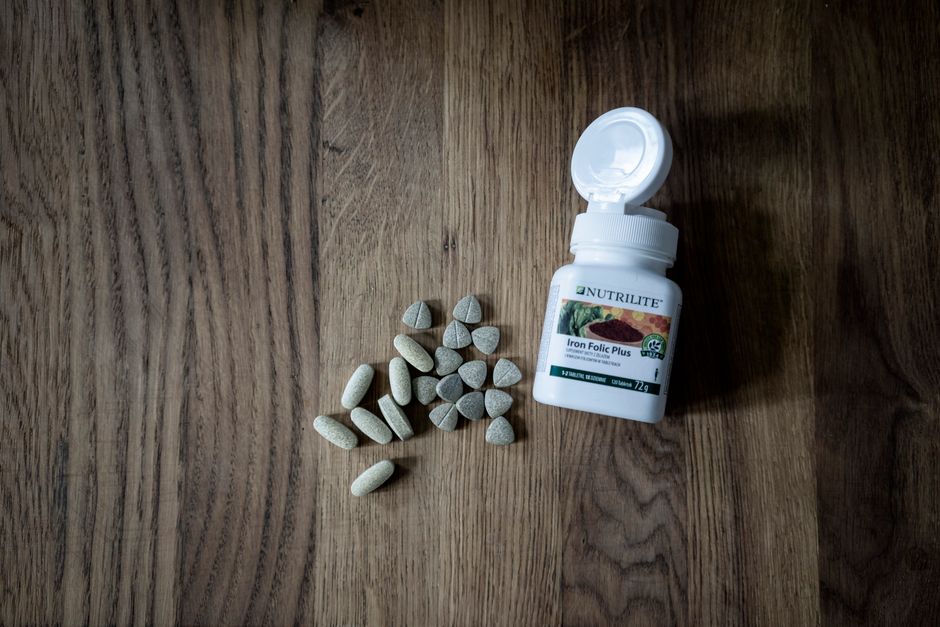
If you are looking for an iron supplement that never causes constipation, the honest answer is that no iron product is guaranteed to leave your digestion untouched. The form of iron matters, though. Iron bisglycinate, a chelated form where the mineral is bound to the amino acid glycine, is often reported by users and clinicians to cause fewer gut side effects than ferrous sulfate, the most common and cheapest option. Iron in heme form, derived from animal sources, also tends to be better tolerated. But “better tolerated” is not the same as “safe for everyone,” and individual responses vary widely.
The reason this question gets asked so often is simple. Constipation is one of the most common reasons people stop taking iron. That matters, because stopping without telling a doctor can leave anemia untreated. Understanding why some forms are gentler can help you have a more useful conversation with your clinician about what to try next.
Why Does Iron Cause Constipation in the First Place?
Iron supplements cause constipation through several mechanisms that are reasonably well understood. The most direct one involves how iron affects the cells lining your gut.
Unabsorbed iron passes through the digestive tract and can irritate the intestinal lining. This irritation is thought to slow the normal wave-like muscle contractions, called peristalsis, that move waste through your colon. When those contractions slow, stool sits longer, more water gets reabsorbed, and the result is harder, drier stool that is more difficult to pass.
Iron can also bind with certain compounds in the gut and change the consistency of stool directly. Some people notice dark or black stool while taking iron, which is a separate and generally harmless effect of unabsorbed iron, not a sign of bleeding.
There is another factor that gets overlooked. The amount of elemental iron you actually absorb is usually a small fraction of what you swallow. The rest stays in the gut. This is why higher doses tend to cause more digestive trouble. It is not the iron your body uses that causes the problem. It is the iron your body does not absorb.
What Iron Supplements Do Not Cause Constipation?
No supplement is completely free of this risk, but some forms are consistently reported to cause fewer digestive problems. The key difference is how tightly the iron is bound and how much free, unabsorbed iron ends up in the colon.
Iron bisglycinate is a chelated form. The iron is chemically bonded to glycine, an amino acid. This bond may help the iron pass through the stomach more intact and be absorbed more efficiently, which means less free iron reaching the lower gut. Many people who cannot tolerate ferrous sulfate report fewer problems with this form. The evidence is not large-scale, but the pattern is consistent enough that some clinicians recommend it as a first alternative.
Heme iron polypeptides come from animal hemoglobin. Heme iron is absorbed through a different pathway than non-heme iron, and it is generally better absorbed. Because more is absorbed, less remains in the gut to cause irritation. Some people tolerate these products well. They are not suitable for vegetarians or vegans, and they are usually more expensive.
Carbonyl iron is another option. It is a very pure form of elemental iron that is absorbed slowly. Because it releases iron gradually, it may cause fewer sudden spikes of unabsorbed iron in the gut. Some clinicians use it when other forms fail.
Liquid iron preparations and iron patches are also marketed as gentler. The evidence for patches is weak. Iron is a large molecule and skin absorption of meaningful amounts is not well supported. Be cautious about any product claiming zero side effects.
Does the Dose Matter More Than the Form?
Dose matters a great deal, and this is where a lot of people get into trouble. The standard treatment for iron deficiency anemia often involves doses of 100 to 200 milligrams of elemental iron per day. That is a lot of iron for the gut to handle at once.
Newer approaches have looked at taking lower doses more often, or taking iron every other day. The reasoning is that a hormone called hepcidin rises after you absorb iron and blocks further absorption for a period. Taking iron less frequently may allow better absorption per dose and leave less unabsorbed iron in the gut. Some studies support this strategy, though it is not yet universal practice.
If you are struggling with constipation, the dose is often the first thing a clinician will adjust, sometimes before switching the form. Splitting a dose, taking it with food, or reducing the amount can all help. Taking iron with food reduces absorption, so this is a trade-off, but for some people it is a reasonable one.





What About Ferrous Sulfate, Gluconate, and Fumarate?
These are the traditional iron salts. They are effective, widely available, and inexpensive. They are also the forms most likely to cause constipation and other gut symptoms.
Ferrous sulfate contains about 20 percent elemental iron by weight. Ferrous gluconate contains roughly 12 percent, and ferrous fumarate about 33 percent. A higher percentage does not automatically mean better tolerance. What matters is how much elemental iron you take and how your gut responds.
These salts are not “bad.” For many people they work fine. For others, they cause enough discomfort that switching to a chelated or heme form makes the difference between finishing treatment and giving up.
Can You Prevent Constipation While Taking Iron?
You can reduce the risk, even if you cannot eliminate it. These steps are commonly recommended and are based on general digestive health principles.
- Drink enough water throughout the day. Hard stool is often a hydration problem as much as an iron problem.
- Increase fiber gradually from foods like beans, whole grains, fruits, and vegetables. Sudden large fiber increases can cause bloating.
- Stay physically active. Movement supports normal bowel function.
- Ask your clinician about the dose and timing. Sometimes less frequent dosing helps.
- Do not stop iron without talking to your doctor first. Untreated anemia has real consequences.
Some clinicians suggest a stool softener or a fiber supplement alongside iron. This is common practice, though it is not backed by large trials specific to iron-induced constipation. It is a reasonable option to discuss.
One thing that does not help is taking iron with calcium or with certain antacids. These can reduce absorption and may increase gut side effects. Check with a pharmacist about interactions if you take other medications.
When Should You Talk to a Doctor About Iron Side Effects?
Talk to your clinician if constipation is severe, lasts more than a few days, or comes with pain, vomiting, or blood in your stool. These are not typical iron side effects and need to be evaluated.
Also speak up if you are considering stopping your supplement. Anemia treatment is not something to manage alone. Your clinician can check your levels, adjust the dose, or switch to a different form or even a different route, such as intravenous iron in some cases.
The goal is not to find a perfect supplement that never causes any symptom. The goal is to find one you can tolerate long enough to correct the deficiency. That often takes some trial and error, and that is normal.
Frequently Asked Questions
Which iron supplement is least likely to cause constipation?
Iron bisglycinate and heme iron polypeptides are generally reported to cause fewer digestive side effects than ferrous sulfate. No form is guaranteed to cause none, and individual tolerance varies.
Does taking iron every other day reduce constipation?
Some evidence suggests that less frequent dosing may improve absorption and leave less unabsorbed iron in the gut, which could reduce side effects. It is not yet standard practice, so ask your clinician before changing your schedule.
Can I just stop taking iron if it makes me constipated?
Do not stop without talking to your doctor, because untreated anemia can cause serious problems. Your clinician can lower the dose, switch forms, or recommend another approach.
Is liquid iron gentler on the stomach than pills?
Some people find liquid preparations easier to tolerate, but the evidence is limited and the amount of elemental iron still matters. It is worth discussing with your pharmacist or doctor.
