
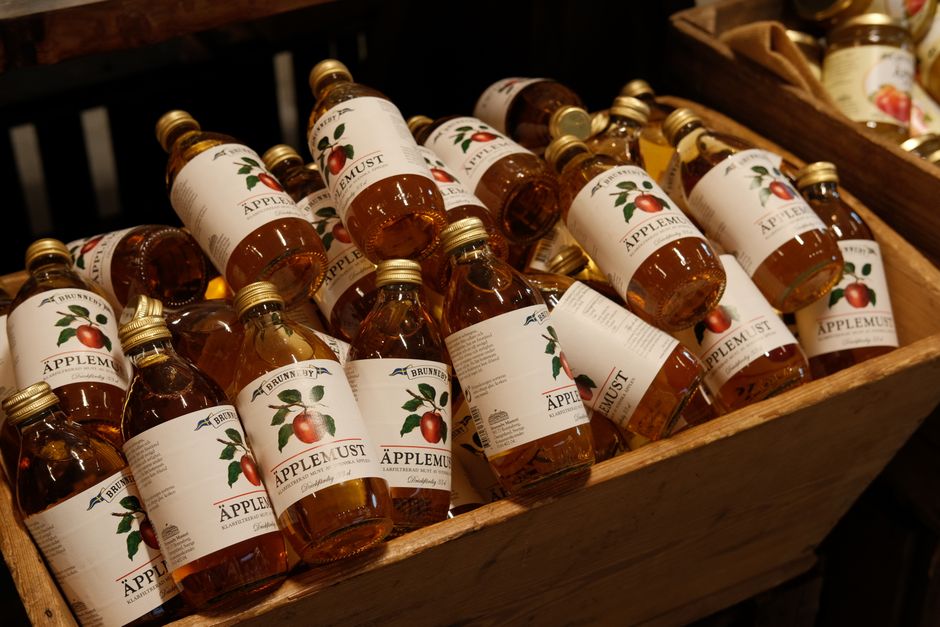
Apple juice is not the most effective juice for constipation, and the amount that might help varies too much between people for a single number to apply. There is no official recommended dose of apple juice for constipation in adults or children. If you want to try it, a common starting point is about 4 ounces (120 mL) for a young child and 8 ounces (240 mL) for an adult, but the evidence for apple juice as a constipation remedy is weak. Prune juice and pear juice have more reliable laxative effects.
Does Apple Juice Actually Relieve Constipation?
The honest answer is: sometimes, but not reliably. Apple juice contains sorbitol, a sugar alcohol that draws water into the intestines and can soften stool. It also contains fructose, which some people absorb poorly. When unabsorbed fructose reaches the colon, it can pull in water and speed things along.
That mechanism sounds promising. But the amount of sorbitol and fructose in apple juice varies by variety, ripeness, and processing. Some apple juices contain very little. And the clinical evidence for apple juice specifically as a constipation treatment is thin.
Most of what we know comes from pediatric research on juice in general. Pear juice and prune juice have been studied more directly and show more consistent results. Apple juice appears in some studies but usually as a comparison, and it often performs less well.
One important point: apple juice contains almost no fiber. Apple flesh without skin has some, and apple skin has more. But juicing removes the fiber that would otherwise add bulk to stool. So apple juice works, when it works, through sugars and fluid, not fiber.
How Much Apple Juice Should You Drink For Constipation?
No established clinical guideline gives a specific dose of apple juice for constipation. Any number you see online is an estimate based on general practice, not on controlled trials.
That said, here is what some clinicians suggest as a starting point:
- Children 1 to 6 years: about 4 ounces (120 mL) per day
- Children 7 years and older: about 6 to 8 ounces (180 to 240 mL) per day
- Adults: about 8 ounces (240 mL), once or twice daily
These amounts are not from a formal dosing guideline. They reflect common pediatric practice, where juice is sometimes used as a short-term measure. For adults, the numbers are even less defined.
If you try apple juice, treat it as a short-term experiment, not a daily habit. Too much juice can cause gas, bloating, and diarrhea. In children, large amounts of juice can also replace more nutritious foods and contribute to weight gain and dental problems.
The American Academy of Pediatrics recommends limiting juice for children overall. For children 1 to 3 years, the recommendation is no more than 4 ounces per day. For ages 4 to 6, no more than 4 to 6 ounces. For ages 7 to 18, no more than 8 ounces. These limits are about general nutrition, not constipation treatment, but they matter if you are considering juice as a remedy.
Why Prune and Pear Juice Work Better Than Apple Juice
Prune juice has a stronger and more predictable laxative effect than apple juice. It contains sorbitol and also naturally occurring compounds that stimulate bowel movement. Some research in children has found prune juice to be more effective than other juices for relieving constipation.
Pear juice is another option. It contains a favorable balance of fructose to glucose, which means more fructose reaches the colon unabsorbed. That draws in water and can soften stool.
Apple juice has a different sugar ratio. It tends to have more equal amounts of fructose and glucose, which means less unabsorbed fructose reaches the colon. Combined with lower and more variable sorbitol levels, this helps explain why apple juice is less reliable.
If your goal is to relieve constipation with juice, prune juice is the better first choice. Pear juice is a reasonable second. Apple juice sits further down the list.




What Else Helps Constipation Besides Juice?
Juice is a minor player. The things that actually move the needle for most people are fiber, fluid, and movement.
Fiber adds bulk and helps stool hold water. Adults generally need about 25 to 34 grams of fiber per day, depending on age and sex, according to national dietary guidelines. Most Americans get far less. Good sources include beans, lentils, whole grains, vegetables, and fruit with the skin on.
Increase fiber gradually. Jumping from 10 grams to 30 grams overnight can cause bloating and gas. Add a few grams every few days and drink enough water alongside it.
Fluid matters because fiber needs water to work. If you add fiber without enough fluid, constipation can get worse, not better. Water is the best choice. Juice adds sugar without much benefit.
Physical activity helps stimulate bowel contractions. Even a daily walk can make a difference for some people.
Routine matters more than most people realize. Going to the bathroom at the same time each day, ideally after a meal when the colon is most active, can help train your body. Do not ignore the urge when it comes.
If constipation persists despite these steps, talk to a doctor. Some causes, like thyroid problems, medication side effects, or bowel obstruction, need medical evaluation.
When Should You See a Doctor About Constipation?
Occasional constipation is common and usually not dangerous. But some signs warrant a medical visit.
See a doctor if you have:
- Constipation that lasts more than three weeks despite diet and lifestyle changes
- Blood in your stool or bleeding from the rectum
- Severe abdominal pain
- Unexplained weight loss
- Constipation that starts suddenly after age 50 with no clear cause
- Stools that are pencil-thin or a change in stool shape that persists
- Constipation alternating with diarrhea
These signs do not automatically mean something serious. But they are reasons to get checked rather than self-treat with juice.
In children, see a doctor if constipation is severe, lasts more than two weeks, or comes with pain, vomiting, or blood in the stool. Do not rely on juice as a treatment for a child without talking to a pediatrician first.
Can Apple Juice Make Constipation Worse?
Yes, in some cases. This is a point that often gets missed.
Apple juice contains fructose and sorbitol. In small amounts, these can soften stool. In larger amounts, they can cause gas, bloating, and cramping. For people with irritable bowel syndrome or fructose malabsorption, apple juice can trigger symptoms that feel worse than the original constipation.
Apple juice also has no fiber. If you replace fiber-rich foods with juice, you may end up with less bulk in your stool, which can slow things down over time.
And in children, too much juice can fill them up so they eat less at meals. That can reduce overall fiber and nutrient intake, working against the goal.
If apple juice makes your symptoms worse, stop drinking it. It is not a good fit for everyone.
How Long Does It Take For Apple Juice To Work?
If apple juice is going to help, it usually works within a few hours to a day. The sugars draw water into the intestine relatively quickly.
If nothing happens after a day or two of trying it, apple juice is probably not the right remedy for you. Do not keep increasing the amount. More juice does not mean more relief, and it can cause diarrhea or cramping.
For chronic constipation, no juice will fix the underlying issue. That requires fiber, fluid, activity, and sometimes medical treatment. Juice is at best a short-term nudge, not a solution.
Frequently Asked Questions
How much apple juice should I drink for constipation?
There is no official recommended dose. A common starting point is about 8 ounces (240 mL) for adults, but the evidence for apple juice as a constipation remedy is weak.
Is apple juice or prune juice better for constipation?
Prune juice is generally more effective and more predictable than apple juice. Pear juice is also a better choice than apple juice for most people.
Can apple juice make constipation worse?
Yes, in some people. Apple juice can cause gas, bloating, and cramping, especially in those with irritable bowel syndrome or fructose malabsorption.
How long does apple juice take to relieve constipation?
If it helps, it usually works within a few hours to a day. If nothing happens after a day or two, it is probably not the right remedy for you.
