

Hermit crabs are scavengers by nature. In the wild they eat decaying wood, fallen fruit, dead insects, and just about anything organic they can find. That is exactly why many human foods can work as part of their diet — and why some common kitchen items can seriously harm them. Safe options include plain cooked egg, unseasoned cooked meat, fresh fruit, certain vegetables, and plain grains. Unsafe items include anything with added salt, sugar, butter, oil, or seasoning, plus chocolate, caffeine, alcohol, and most processed snack foods.
What Human Foods Can Hermit Crabs Safely Eat?
Hermit crabs are opportunistic omnivores. Their natural diet is broad and includes plant matter, animal protein, and decaying material. That flexibility is what makes some human foods a reasonable fit — as long as they are plain and unprocessed.
Foods that are generally considered safe, when served plain and in small amounts:
- Plain cooked egg, including the shell if it has been thoroughly cleaned and dried
- Unseasoned cooked meat such as chicken, beef, or fish — no salt, butter, oil, or sauce
- Fresh fruit: apple, banana, mango, papaya, pear, berries, melon
- Vegetables: carrot, sweet potato, broccoli, spinach, corn
- Plain grains: cooked rice, plain oats, plain unsweetened cereal
- Unsalted nuts and seeds in small pieces
- Dried insects sold for reptile or hermit crab feeding
The common thread is plain. A piece of plain cooked chicken is fine. The same chicken breaded, salted, and fried is not. Seasoning, oil, and preservatives are where most problems start — not the base food itself.
One detail many owners miss: hermit crabs are small. A “small amount” means a piece roughly the size of their claw. Overfeeding any single food, even a safe one, can throw off their nutritional balance and cause uneaten food to spoil in the tank.
Which Human Foods Are Dangerous for Hermit Crabs?
Some foods are harmful regardless of quantity. The list below reflects consistent concern among experienced keepers and what is known about how these substances affect small invertebrates.
- Chocolate — contains theobromine and caffeine, both of which are toxic to many animals
- Caffeine — coffee, tea, energy drinks, and anything containing them
- Alcohol — toxic to invertebrates at very small amounts
- Salt and salty snacks — disrupts fluid balance in a small organism
- Sugar and sugary foods — no nutritional value and can promote harmful microbial growth
- Butter, oil, and fried food — hard for them to process and can foul the tank
- Onion, garlic, and strong spices — generally avoided by experienced keepers
- Processed foods — chips, crackers, candy, and similar items contain additives with no known safe level for hermit crabs
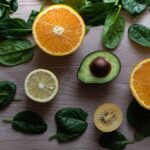
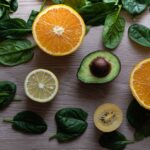
- Avocado — contains persin, which is harmful to several animal species
For several of these items, the honest position is that no controlled studies exist on hermit crabs specifically. The caution comes from what is known about these compounds in other small animals, and from decades of keeper experience. That is not the same as a confirmed toxic dose — but it is enough reason to avoid them.
Why Do Hermit Crabs Eat Almost Anything?
Hermit crabs are detritivores and scavengers. In the wild, their job in the ecosystem is to break down and consume dead plant and animal material. Their digestive systems are built to handle a wide range of organic matter, which is why they will investigate nearly anything edible that appears in their environment.
This does not mean all food is good for them. It means they lack the instinct to avoid things that are bad for them. A hermit crab will happily eat a piece of chocolate if it finds one. The responsibility for what goes in the tank sits entirely with the owner.
Their nutritional needs are also more specific than “anything organic.” Hermit crabs need protein, calcium, fiber, and a range of trace nutrients. A diet of only fruit, or only commercial pellets, tends to fall short over time. Variety is not a nice extra — it is part of keeping them healthy.



How Much Should You Feed a Hermit Crab?
There is no established feeding chart for hermit crabs the way there is for dogs or cats. No clinical guidelines define exact portions for this species. What experienced keepers generally follow is a simple rule: offer small pieces, roughly the size of the crab’s claw, and remove anything uneaten within about a day.
Feeding frequency varies. Many owners offer fresh food every one to two days and keep a supply of dry food available at all times. Dry foods like plain oats, dried insects, and commercial hermit crab food do not spoil as quickly as fresh items.
The bigger risk with fresh food is not overfeeding — it is spoilage. Warm, humid tank conditions are ideal for mold and bacteria. Uneaten fruit or meat left in the tank for more than a day can become a health hazard for the crab and a source of odor and pests for you.
What About Calcium and Shell Health?
Calcium is one of the few areas where hermit crab nutrition is well understood. Crabs need calcium to maintain and grow their exoskeleton, and they molt periodically to do so. A calcium deficiency can lead to weak exoskeletons and problems during molting.
Good calcium sources from human food include crushed eggshell (thoroughly cleaned and dried), cuttlebone, and small amounts of plain unsweetened yogurt. Many keepers also provide commercial calcium supplements made for reptiles or hermit crabs.
Protein matters too, especially before and after a molt. Plain cooked meat, egg, and dried insects are common protein sources. Some evidence from keeper experience suggests crabs seek out protein more actively during molting periods, though this has not been formally studied.
Can Hermit Crabs Eat Fruit and Vegetables?
Yes, and fresh produce is one of the most useful parts of their diet. Fruit provides natural sugars and moisture. Vegetables add fiber and a range of vitamins.
| Food | Generally Safe? | Notes |
|---|---|---|
| Apple | Yes | Remove seeds; offer small pieces |
| Banana | Yes | High sugar; occasional treat |
| Carrot | Yes | Raw or cooked, plain |
| Sweet potato | Yes | Cooked plain, no butter |
| Spinach | Yes | Small amounts; high in oxalates |
| Corn | Yes | Plain, no salt or butter |
| Avocado | No | Contains persin |
| Citrus | Caution | Acidic; some keepers avoid it |
Wash all produce thoroughly before offering it. Pesticide residue is a real concern for a small animal, and rinsing costs nothing. Cut pieces small enough that the crab can manage them, and remove anything left after a day.
What Should You Avoid Even If It Seems Healthy?
Some foods that are healthy for humans do not translate well for hermit crabs. This is where owners often make honest mistakes.
- Anything “light” or “low-sodium” — these products usually contain artificial sweeteners or salt substitutes with no known safety data for crabs
- Cooked food from a restaurant — even plain-looking dishes usually contain salt, oil, or seasoning
- Leftovers that have been sitting out — bacterial growth is a real risk
- Pet food made for other animals — dog and cat food is formulated for very different nutritional needs
- Anything with added preservatives — BHA, BHT, and similar additives have no established safe level for hermit crabs
When in doubt, the safest choice is a food you can identify in one word. “Chicken” is fine. “Chicken-flavored snack” is not. The fewer ingredients on the label, the lower the risk.
How Do You Introduce New Foods Safely?
Introduce one new food at a time. Offer a small piece, leave it for a few hours to a day, and watch for any change in behavior or appearance. If the crab seems unaffected, the food is likely fine to offer again.
Signs of a problem can include lethargy, unusual color changes, or a crab that stops eating altogether. If you notice any of these after introducing a new food, remove it and return to foods you know are safe.
Keep a simple log if you are trying several new items. It is easy to lose track of what was offered when, and a written record makes it much easier to spot a pattern if something goes wrong.
Frequently Asked Questions
Can hermit crabs eat bananas?
Yes, plain banana is generally safe for hermit crabs in small amounts. It is high in sugar, so it works better as an occasional treat than a daily staple.
Can hermit crabs eat cooked chicken?
Yes, plain cooked chicken with no salt, oil, butter, or seasoning is a good protein source. Remove any uneaten pieces within about a day to prevent spoilage.
Is chocolate toxic to hermit crabs?
Chocolate contains theobromine and caffeine, which are toxic to many animals, and it should never be offered to hermit crabs. No safe amount has been established for this species.
Can hermit crabs eat rice?
Yes, plain cooked rice with no salt or butter is generally considered safe. Offer a small amount and remove what is not eaten within a day.
