
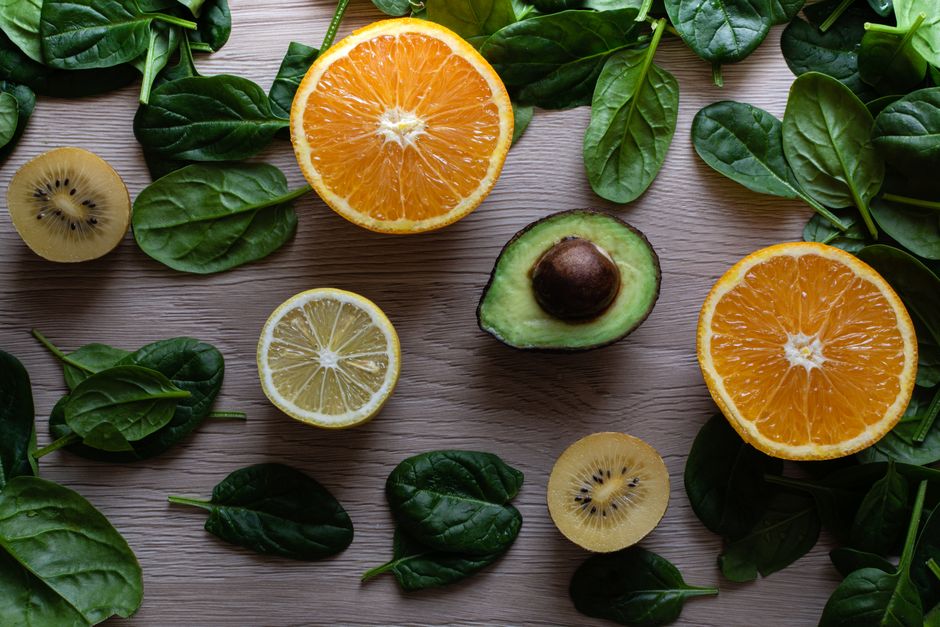
Insoluble fiber is the part of plant food your body cannot break down or absorb, and it does not dissolve in water. The best sources are whole grains like wheat bran and brown rice, vegetables like cauliflower and green beans, nuts and seeds, and the skin and flesh of many fruits. If you are looking to add more to your plate, the list below covers the foods with the highest amounts and how to use them.
What Foods Have Insoluble Fiber Best Sources?
Insoluble fiber is found mostly in the structural parts of plants — the cell walls, skins, and seed coats. That is why the foods highest in it tend to be the least processed ones. Refining grains strips away the bran, which is exactly where most of the insoluble fiber sits.
The strongest sources fall into a few clear groups:
- Wheat bran — one of the most concentrated sources available
- Whole grains — brown rice, oats, barley, whole wheat, and popcorn
- Nuts and seeds — almonds, walnuts, flaxseed, and sunflower seeds
- Vegetables — cauliflower, green beans, potatoes with skin, and broccoli
- Fruits — apples and pears with skin, berries, and bananas
- Legumes — lentils, chickpeas, and beans (these contain both types of fiber)
One thing worth knowing: almost no plant food contains only one type of fiber. Most contain a mix of soluble and insoluble fiber, just in different proportions. Wheat bran leans heavily insoluble. Oats lean more soluble. So the practical goal is not to hunt for “pure” insoluble fiber — it is to eat a range of whole plant foods.
The skin matters more than people realize. Peel an apple and you remove a meaningful share of its fiber. The same is true for potatoes and cucumbers. When it is safe to eat the skin, keep it on.
What Is the Difference Between Soluble and Insoluble Fiber?
The two types of fiber behave differently in your gut, and that difference explains why they do different jobs.
Soluble fiber dissolves in water and forms a gel. It slows digestion and can help soften stool. You find it in oats, barley, beans, lentils, apples, and citrus. Some soluble fibers also feed the bacteria in your colon.
Insoluble fiber does not dissolve. It stays largely intact as it moves through your digestive tract. It adds bulk to stool and helps it move along. It is found in wheat bran, whole grains, nuts, and the skins of many fruits and vegetables.
Because they work in different ways, both types matter. Soluble fiber is often discussed for its effects on cholesterol and blood sugar. Insoluble fiber is more often discussed for its role in regularity and stool bulk. Neither replaces the other.
A common misunderstanding: fiber is not a single nutrient. It is a broad category of plant carbohydrates that your small intestine cannot digest. Different fibers have different physical properties and different effects. Treating “fiber” as one thing oversimplifies how it actually works.
How Much Insoluble Fiber Do You Need?
There is no separate recommended intake for insoluble fiber alone. Official guidance sets a target for total fiber, not for each type.
Dietary guidelines in the United States recommend that adults aim for roughly 25 to 30 grams of total fiber per day, with the exact amount depending on age and sex. Most adults fall short of that. Average intake in the US is well below the recommended level.
Because most high-fiber foods contain both types, hitting your total fiber target usually means getting a reasonable amount of insoluble fiber along the way. There is no established clinical guideline that tells you to hit a specific number of grams of insoluble fiber specifically. If you eat a varied diet rich in whole grains, vegetables, fruits, nuts, and legumes, you are likely covering both types.





Which Foods Have the Most Insoluble Fiber?
If you want the densest sources, a few foods stand out. The table below shows approximate fiber content for common foods. Exact values vary by variety, ripeness, and how the food is prepared.
| Food | Approximate Fiber per Serving | Notes |
|---|---|---|
| Wheat bran (1/4 cup) | About 6 grams | Mostly insoluble |
| Cooked lentils (1 cup) | About 15 grams | Mix of both types |
| Black beans (1 cup) | About 15 grams | Mix of both types |
| Almonds (1 ounce) | About 3.5 grams | Mostly insoluble |
| Popcorn (3 cups, air-popped) | About 3.5 grams | Mostly insoluble |
| Apple with skin (1 medium) | About 4 grams | Skin adds insoluble fiber |
| Cooked brown rice (1 cup) | About 3.5 grams | Mostly insoluble |
| Broccoli, cooked (1 cup) | About 5 grams | Mix of both types |
These figures come from standard nutrient databases, which reflect average values. Your actual intake will vary. The point is not precision — it is knowing which foods carry the most fiber per bite.
How Does Insoluble Fiber Work in Your Body?
Insoluble fiber passes through your stomach and small intestine mostly unchanged. It is not broken down by your digestive enzymes because those enzymes cannot cleave the bonds in these plant carbohydrates.
Once it reaches the large intestine, it does several things. It holds onto water, which adds moisture and bulk to stool. That bulk creates pressure that helps stimulate the muscular contractions of your colon — the movements that push waste along. This is why insoluble fiber is often linked to more regular bowel movements.
Some insoluble fibers are also fermented to a limited degree by gut bacteria, though far less than soluble fibers. The main action, though, is mechanical: it adds volume and helps things keep moving.
This is also why insoluble fiber can be a problem if you add too much too fast. A sudden jump in intake can cause bloating, gas, and cramping. Your gut adapts over time, but it needs a gradual increase and enough water to go with it.
Does Insoluble Fiber Help With Constipation?
Insoluble fiber is commonly used to help with constipation because it adds bulk to stool. But the relationship is not as simple as “more fiber always equals better.”
For many people, increasing fiber — especially from whole foods — helps make stools softer and easier to pass. Wheat bran is one of the most studied sources for this purpose. It is often recommended for mild constipation.
However, fiber does not help everyone. Some people with slow-transit constipation or certain gut conditions find that adding more insoluble fiber makes symptoms worse, not better. If you have a digestive condition, it is worth talking to a clinician before making a big change.
Water matters here too. Insoluble fiber without enough fluid can actually make stool harder. Fiber pulls in water, so if you are not drinking enough, the effect can backfire. Increase both together.
How Should You Add More Insoluble Fiber to Your Diet?
Go slowly. A jump from low fiber to high fiber in a few days is the most common reason people feel worse instead of better.
Start by swapping refined grains for whole ones. Choose brown rice instead of white. Pick whole wheat bread over white. Leave the skins on fruits and vegetables when you can. Add a serving of beans or lentils a few times a week. Snack on nuts or air-popped popcorn instead of chips.
Drink more water as you increase fiber. This is not optional — it is part of how fiber works.
If you have a condition like irritable bowel syndrome, inflammatory bowel disease, or a history of bowel obstruction, talk to your doctor before significantly changing your fiber intake. Some of these conditions require a more tailored approach, and general fiber advice may not fit.
Frequently Asked Questions
What are the best sources of insoluble fiber?
Wheat bran, whole grains, nuts, seeds, and the skins of fruits and vegetables are the richest sources. Legumes like lentils and beans also provide substantial amounts, though they contain both soluble and insoluble fiber.
Is insoluble fiber the same as dietary fiber?
No. Dietary fiber is the broad category, and insoluble fiber is one of two main types within it. The other is soluble fiber, which dissolves in water and behaves differently in your gut.
Can insoluble fiber help with weight loss?
High-fiber foods tend to be more filling and may help you eat less overall, but the evidence for fiber as a direct weight-loss tool is mixed. No single nutrient drives weight loss on its own.
How much insoluble fiber should I eat per day?
There is no separate daily target for insoluble fiber. Guidelines set a total fiber goal of roughly 25 to 30 grams per day for adults, and eating a varied diet of whole plant foods covers both types.
