
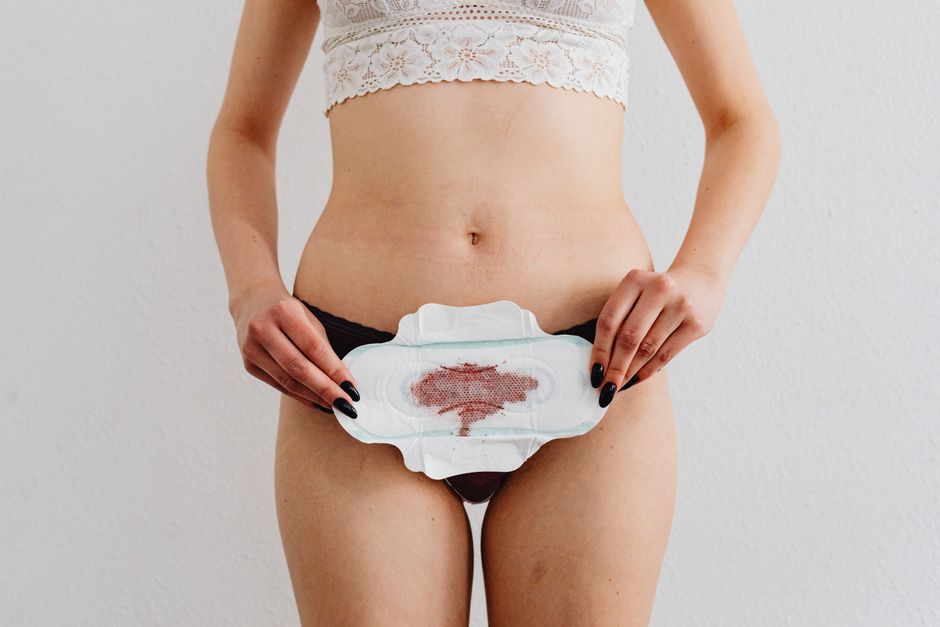
The menstrual cycle is driven by a precise sequence of hormones that work together to prepare the body for a potential pregnancy each month. The four main hormones involved are estrogen, progesterone, follicle-stimulating hormone (FSH), and luteinizing hormone (LH). These hormones rise and fall in a coordinated pattern that controls the release of an egg and the buildup and shedding of the uterine lining.
What Are the Four Main Hormones in the Menstrual Cycle?
The cycle depends on communication between the brain and the ovaries. The pituitary gland in the brain releases FSH and LH. The ovaries respond by producing estrogen and progesterone.
Each hormone has a specific job. FSH helps eggs in the ovaries mature. LH triggers the release of a mature egg. Estrogen builds up the uterine lining. Progesterone maintains that lining after ovulation.
These four hormones do not work alone. They interact in a feedback loop. When estrogen gets high enough, it signals the brain to release a surge of LH. That surge causes ovulation. This is why tracking these hormones matters for understanding fertility and menstrual health.
What Happens During the Follicular Phase?
The follicular phase starts on the first day of your period and lasts until ovulation. It usually lasts about 14 days, but this varies widely between people.
Early in this phase, FSH levels rise slightly. This stimulates several small sacs in the ovaries, called follicles, to start growing. Each follicle contains an immature egg. Usually only one follicle becomes dominant and continues to mature.
As the follicles grow, they produce increasing amounts of estrogen. Estrogen levels climb steadily through this phase. This rising estrogen does two important things. It thickens the uterine lining to prepare for a possible pregnancy. It also changes cervical mucus, making it thinner and more slippery.
When estrogen reaches a high enough level, it triggers a dramatic shift. The brain releases a large surge of LH. This surge is what causes the mature egg to be released from the follicle. Ovulation typically happens about 24 to 36 hours after the LH surge begins.
What Role Does Luteinizing Hormone Play in Ovulation?
LH is the trigger for ovulation. Without the LH surge, the egg would not be released from the ovary.
The LH surge is a sharp spike in hormone levels that lasts about 24 to 48 hours. It causes the dominant follicle to rupture and release the mature egg. The egg then travels into the fallopian tube, where it can be fertilized.
This is why ovulation predictor kits measure LH in urine. A positive test means the LH surge has started, and ovulation is likely to occur within the next day or two. Knowing this timing is helpful for people trying to conceive.
After ovulation, LH levels drop back down quickly. The remaining follicle structure changes and becomes the corpus luteum. This structure produces progesterone for the rest of the cycle.





What Happens During the Luteal Phase?
The luteal phase begins after ovulation and lasts until the start of the next period. This phase is typically 12 to 14 days long. Unlike the follicular phase, the luteal phase length is fairly consistent from cycle to cycle.
After the egg is released, the empty follicle transforms into the corpus luteum. This temporary gland produces high levels of progesterone. Progesterone is the dominant hormone of this phase.
Progesterone prepares the uterine lining for a fertilized egg. It makes the lining thicker and more vascular. It also causes the body temperature to rise slightly. This is why tracking basal body temperature can help confirm that ovulation has occurred.
If pregnancy does not happen, the corpus luteum breaks down after about 10 to 14 days. Progesterone levels fall sharply. Without progesterone to maintain it, the uterine lining sheds. This shedding is the menstrual period.
What Happens to Hormone Levels If Pregnancy Occurs?
If a fertilized egg implants in the uterine lining, the cycle shifts. The developing embryo produces a hormone called human chorionic gonadotropin (hCG).
hCG acts like LH. It signals the corpus luteum to keep producing progesterone. This maintains the uterine lining so the pregnancy can continue. Progesterone levels stay high instead of falling.
This is why pregnancy tests detect hCG in urine. The presence of hCG means the corpus luteum has been rescued and the body is supporting a pregnancy. Progesterone remains essential throughout early pregnancy until the placenta takes over hormone production.
How Do Estrogen and Progesterone Affect the Body Beyond the Uterus?
Estrogen and progesterone do more than regulate the reproductive organs. They influence many systems in the body.
Estrogen affects bone density, cholesterol levels, skin elasticity, and brain function. It also influences mood and energy. When estrogen drops before a period, some people notice changes in these areas.
Progesterone has a calming effect on the brain. It can cause drowsiness and changes in appetite. It also raises body temperature. These effects explain some of the physical and emotional changes people experience in the days before their period.
These hormonal shifts are normal. But when symptoms are severe enough to interfere with daily life, they may be worth discussing with a healthcare provider. Conditions like premenstrual dysphoric disorder (PMDD) involve a more severe reaction to normal hormonal changes.
What Hormones Are Involved In The Menstrual Cycle If Something Goes Wrong?
Hormonal imbalances can disrupt the menstrual cycle. Irregular periods, missed periods, or very heavy bleeding often trace back to hormone levels being out of range.
Low FSH or LH can prevent ovulation from happening. This leads to irregular cycles or no periods at all. High levels of androgens, which are typically thought of as male hormones but are present in everyone, can also interfere with ovulation. This is common in polycystic ovary syndrome (PCOS).
Low progesterone in the luteal phase can cause spotting before a period. It can also make it harder to maintain a pregnancy. Thyroid hormones and prolactin also affect the cycle. Both are produced outside the reproductive system but interact with the hormones that control menstruation.
If you are concerned about your cycle, a healthcare provider can run blood tests to check hormone levels. The timing of these tests matters. FSH, LH, and estrogen are best measured early in the cycle. Progesterone is best measured about a week after ovulation.
How Do Hormonal Birth Control Methods Change This Cycle?
Hormonal birth control works by changing the natural hormone cycle. Combined pills contain synthetic estrogen and progesterone. They prevent ovulation by keeping FSH and LH levels low.
Without the LH surge, ovulation does not occur. The synthetic hormones also keep the uterine lining thin. This makes it less likely that a fertilized egg could implant, though preventing ovulation is the primary mechanism.
Progestin-only methods, like the mini pill or hormonal IUD, work differently. They thicken cervical mucus and thin the uterine lining. Some also suppress ovulation, but not consistently.
The bleeding that happens during the placebo week of a birth control pack is not a true period. It is withdrawal bleeding caused by the drop in synthetic hormones. It is generally lighter and less painful than a natural period because the uterine lining is thinner.
Frequently Asked Questions
How long does the LH surge last before ovulation?
The LH surge typically lasts about 24 to 48 hours. Ovulation usually occurs 24 to 36 hours after the surge begins.
Can you ovulate without a period?
Yes, it is possible to ovulate without having a period. This can happen in the first cycle after stopping birth control or during irregular cycles when the uterine lining has not built up enough to shed.
What is a normal cycle length?
A normal menstrual cycle ranges from 21 to 35 days, with 28 days being the average. Cycle length can vary from month to month and still be considered normal.
When is the best time to test progesterone levels?
Progesterone is best measured about 7 days after ovulation, which is typically day 21 of a 28-day cycle. This timing captures the peak progesterone level during the luteal phase.
