
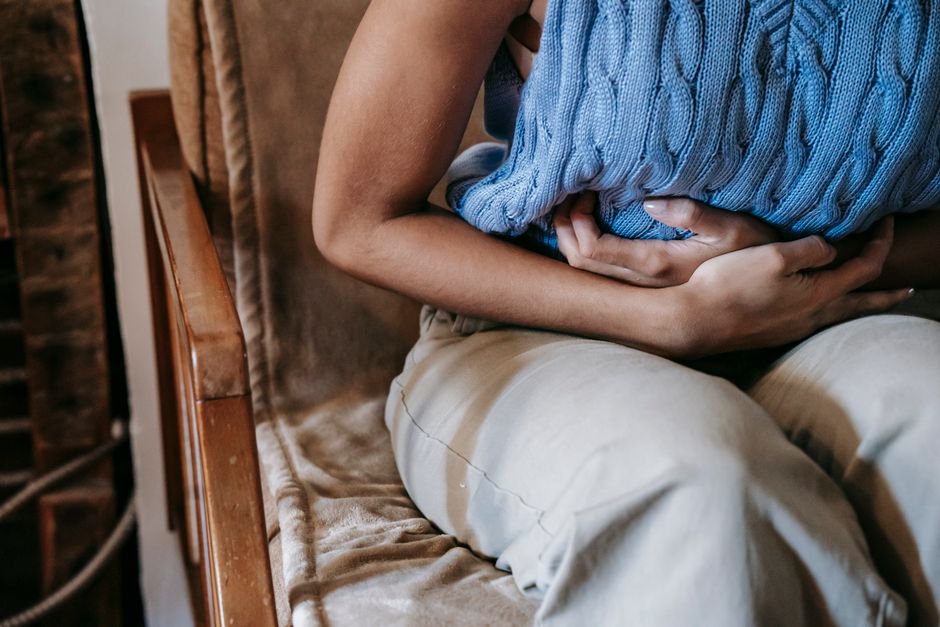
Stomach cramps are a common problem. They can range from a mild nuisance to pain that stops you in your tracks. Most cramps pass on their own, but that does not mean you have to just wait them out. Simple steps like applying heat, staying hydrated, and resting your digestive tract can ease the discomfort. For persistent or severe pain, medical attention matters. Here is what helps stomach cramps and when you should take them seriously.
What Causes Stomach Cramps?
Stomach cramps usually come from the muscles in your digestive tract contracting too hard or out of rhythm. This can happen for many reasons. Gas and bloating are common triggers. Constipation is another frequent cause. So is diarrhea, which forces the intestines to work overtime.
Food intolerance can also cause cramping. Lactose intolerance is a well-known example. When the body cannot break down lactose, it ferments in the gut and causes pain. Irritable bowel syndrome, or IBS, is a chronic condition that often involves cramping. Menstrual cramps are different. They come from the uterus, not the stomach, but people often describe them the same way.
Infections can cause cramps too. Viral gastroenteritis, sometimes called the stomach flu, is a common culprit. Food poisoning works the same way. These infections usually pass within a few days. If cramps come with fever, vomiting, or bloody stool, you should see a doctor.
What Helps Stomach Cramps Right Now?
When a cramp hits, the fastest relief often comes from physical measures. A heating pad or warm compress on the abdomen can relax tense muscles. Many people find this works within minutes. Keep the heat on a low or medium setting to avoid burns.
Gentle movement can help too. A short walk encourages the digestive tract to move gas along. Slow, deep breathing can reduce stress-related tension in the gut. Some people find that lying on their side with knees pulled toward the chest relieves pressure.
Hydration is important. Cramps can worsen if you are dehydrated, especially if diarrhea or vomiting is involved. Sip clear fluids like water or an oral rehydration solution. Avoid carbonated drinks and caffeine, which can irritate the gut further. Do not force yourself to eat if you do not feel hungry. Giving your digestive system a break is often the best medicine.
What Foods Help Soothe Stomach Cramps?
When you are ready to eat, choose bland, easy-to-digest foods. White rice, plain toast, bananas, and applesauce are gentle on the stomach. The BRAT diet, which stands for bananas, rice, applesauce, and toast, has long been recommended for digestive upset. It is low in fiber and does not force the intestines to work hard.
Ginger is one of the few foods with solid evidence behind it for nausea and digestive discomfort. Some research suggests ginger can speed up gastric emptying and reduce cramping. You can drink ginger tea or chew a small piece of fresh ginger. Peppermint tea is another option, though evidence for its effectiveness is mixed.
Small, frequent meals are easier on the stomach than large ones. Chew food thoroughly and eat slowly. Avoid greasy, spicy, or highly processed foods while your stomach is settling. These foods are harder to digest and can trigger more cramping.





What Medications Are Safe for Stomach Cramps?
Over-the-counter options exist, but they target specific causes. If gas is the problem, simethicone products can help break up gas bubbles. If cramps come with diarrhea, loperamide can slow bowel movements. If constipation is the cause, a gentle laxative may offer relief.
Antispasmodic medications are sometimes prescribed for severe cramps. These drugs relax the muscles of the digestive tract. They are not available over the counter in most places and require a doctor’s prescription. Some clinicians recommend them for IBS-related cramping, but they do not work for everyone.
Pain relievers need caution. Nonsteroidal anti-inflammatory drugs like ibuprofen and naproxen can irritate the stomach lining. They can actually make stomach cramps worse. Acetaminophen is gentler on the stomach but does not address the muscle spasm. If you are unsure which medication fits your situation, ask a pharmacist or doctor.
When Should You See a Doctor for Stomach Cramps?
Most stomach cramps resolve within hours or a couple of days. Some signs point to a more serious problem. Seek medical care if the pain is severe enough to double you over. Sudden, sharp pain that comes in waves can signal a blockage or other urgent issue.
Fever with cramps is a red flag. So is vomiting that will not stop or blood in the stool. Unexplained weight loss, jaundice, or pain that wakes you from sleep also warrant attention. Cramps that last more than a few days without improvement should be evaluated.
For women, severe cramps could indicate conditions like ovarian cysts, endometriosis, or ectopic pregnancy. If you are pregnant and have stomach cramps, contact your obstetrician right away. Some cramping in pregnancy is normal, but it should always be checked.
People over 65 and those with weakened immune systems should be more cautious. What looks like a simple stomach bug can become serious quickly in these groups. When in doubt, call a doctor. It is better to be told everything is fine than to miss something important.
What Helps Prevent Stomach Cramps?
Prevention starts with knowing your triggers. If certain foods consistently cause cramping, avoid them. Common culprits include dairy, artificial sweeteners, beans, and cruciferous vegetables like broccoli and cabbage. Keeping a food diary for a few weeks can reveal patterns you might otherwise miss.
Hydration matters every day, not just during a cramp. Fiber is important for regular bowel movements, but increase it gradually. A sudden jump in fiber can cause gas and cramping. Drink more water as you add fiber to your diet.
Stress management plays a real role in gut health. The digestive tract is highly sensitive to emotional state. Practices like deep breathing, meditation, and regular exercise can reduce stress-related cramping. Regular physical activity also keeps the bowels moving normally.
Eating on a regular schedule helps some people. Skipping meals or eating erratically can disrupt digestion. So can eating too fast, which causes you to swallow air. Slowing down at meals is a simple change with real benefits.
Does Heat or Cold Work Better for Cramps?
Heat is generally the better choice for stomach cramps. Heat increases blood flow to the area and relaxes muscle tissue. A warm compress or heating pad applied to the abdomen for 15 to 20 minutes can reduce cramping. Warm baths can help as well.
Cold therapy is more useful for acute injuries like sprains, where reducing inflammation is the goal. Stomach cramps are not typically an inflammatory condition. Cold can actually make muscles contract more, which is the opposite of what you want. Stick with warmth for digestive cramps unless a doctor advises otherwise.
Frequently Asked Questions
How long do stomach cramps usually last?
Most stomach cramps from gas, mild infections, or dietary triggers resolve within a few hours to two days. Cramps lasting longer than three days or worsening over time should be evaluated by a doctor.
Can dehydration cause stomach cramps?
Yes, dehydration can trigger muscle cramps throughout the body, including the digestive tract. Lack of fluids disrupts the electrolyte balance that muscles need to contract and relax normally.
Is it safe to take ibuprofen for stomach cramps?
Ibuprofen and similar NSAIDs can irritate the stomach lining and may worsen cramps. Acetaminophen is gentler on the stomach, but it does not treat the underlying muscle spasm.
Should I eat when I have stomach cramps?
If you are not hungry, skip food until your stomach settles. When you do eat, choose bland options like toast, rice, or bananas in small amounts.
