
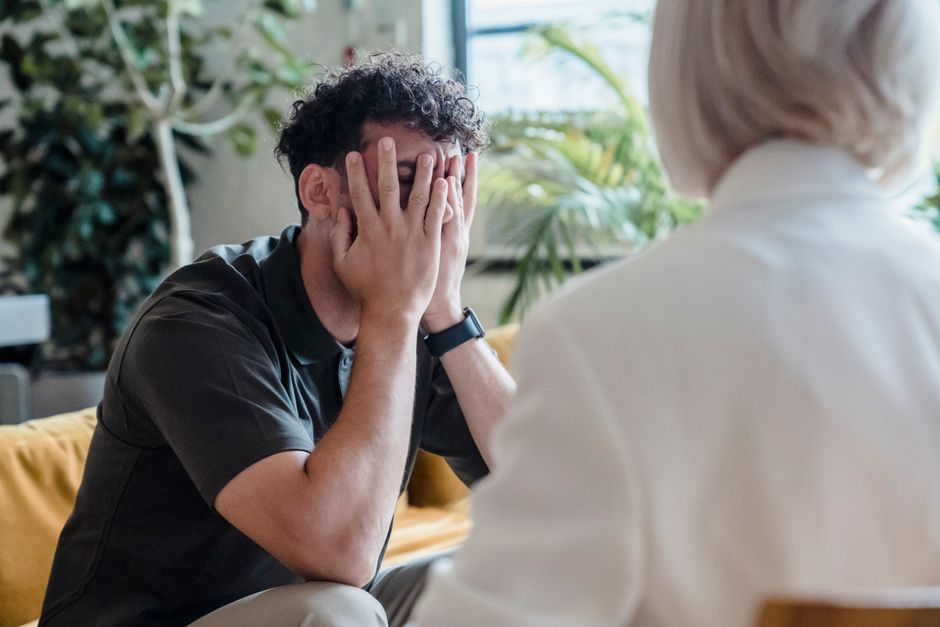
Social anxiety is not just shyness. It is a real condition where the fear of being judged in social situations feels overwhelming. Research shows that the most effective help comes from structured therapy, specifically cognitive behavioral therapy (CBT). For many people, this alone can reduce symptoms significantly. Medication and lifestyle changes also play a role, but they are not substitutes for learning new thought patterns.
What is Social Anxiety Disorder and How Common Is It?
Social anxiety disorder, sometimes called social phobia, affects about 7% of adults in the United States in any given year. The National Institute of Mental Health reports that the lifetime prevalence is around 12%. That means roughly 1 in 8 people will experience it at some point.
The core of the disorder is an intense fear of being watched, judged, or humiliated in social settings. This can include everyday situations like eating in public, speaking in meetings, or making small talk. The fear is so strong that people often avoid these situations entirely. This avoidance can damage careers, friendships, and relationships over time.
It is important to know that social anxiety often starts early. The average age of onset is 13 years old. Many adults who struggle with it have been dealing with the symptoms for decades before seeking help.
Does Cognitive Behavioral Therapy Help with Social Anxiety?
Yes. Cognitive behavioral therapy is the treatment with the strongest evidence behind it. Dozens of randomized controlled trials have shown that CBT is effective for social anxiety. The American Psychological Association strongly recommends it as a first-line treatment.
CBT works by targeting two things: the anxious thoughts and the avoidant behaviors. A therapist helps you identify the automatic negative thoughts that pop up before a social situation — thoughts like “everyone will think I am boring.” Then you learn to challenge those thoughts with evidence. The behavioral part involves gradual exposure to feared situations in a structured way.
One non-obvious finding from research is that the quality of the therapy matters more than the quantity. A 2017 analysis in JAMA Psychiatry found that 12 to 15 sessions of CBT produced results comparable to longer courses for most people. Shorter, focused treatment can work if it is done well.
There are also online versions of CBT that have been studied. A 2021 review in the Journal of Anxiety Disorders found that internet-delivered CBT was significantly better than no treatment. This is a good option for people who cannot access a therapist in person.
Do Medications Help with Social Anxiety?
Medication can help, but it is generally not recommended as the only treatment. The best outcomes come from combining medication with therapy.
The most commonly prescribed medications are selective serotonin reuptake inhibitors (SSRIs). These include drugs like sertraline (Zoloft), paroxetine (Paxil), and escitalopram (Lexapro). The FDA has approved both sertraline and paroxetine specifically for social anxiety disorder. Research published in The Lancet found that SSRIs are effective for about 50-60% of people with social anxiety.
Another class of drugs, called serotonin-norepinephrine reuptake inhibitors (SNRIs), also has evidence. Venlafaxine (Effexor) is the most studied SNRI for social anxiety. A meta-analysis in the Cochrane Database of Systematic Reviews confirmed that it reduces symptoms more than a placebo.
Benzodiazepines like Xanax or Klonopin are sometimes prescribed, but the evidence for their long-term use is weak. They carry a risk of dependence and are generally not recommended as a first choice. The American Psychiatric Association advises against using them as a standalone treatment.
Beta-blockers, such as propranolol, are sometimes used for performance anxiety rather than generalized social anxiety. They block the physical symptoms like a racing heart and shaking hands. However, there is no clinical evidence that they treat the underlying fear or negative thoughts.





What Lifestyle Changes Actually Work?
Lifestyle changes can support treatment, but they are not cures on their own. Here is what the evidence says about three common recommendations.
| Lifestyle Factor | What Research Shows | Realistic Expectation |
|---|---|---|
| Exercise | Regular aerobic exercise can reduce anxiety symptoms in general. Studies show it lowers cortisol and increases feel-good endorphins. | Helps with overall mood but does not replace therapy for social anxiety specifically. |
| Sleep | Poor sleep makes anxiety worse. A 2020 study in Nature Human Behaviour found that sleep deprivation increased anticipatory anxiety by 30%. | Fixing sleep is essential but not a standalone treatment. |
| Caffeine Reduction | Caffeine can mimic or worsen anxiety symptoms like a racing heart and jitteriness. Some people report cutting caffeine helps them feel calmer in social settings. | This is widely claimed though strong evidence is limited. Worth trying for a week to see if it helps. |
What About Mindfulness and Relaxation Techniques?
Mindfulness has become a popular recommendation for anxiety, and some studies suggest it helps. However, the evidence for social anxiety specifically is not as strong as it is for CBT.
A 2019 meta-analysis in the journal Behaviour Research and Therapy looked at mindfulness-based interventions for social anxiety. It found that they reduced symptoms modestly compared to no treatment. But when compared directly to CBT, CBT was significantly more effective. Mindfulness may help with the emotional regulation part of social anxiety, but it does not address the avoidance behaviors as directly.
Deep breathing and progressive muscle relaxation are often taught in therapy as coping tools. They can help lower the physical arousal during a panic moment. But using them alone without addressing the thoughts behind the fear is unlikely to produce lasting change. Think of them as a short-term tool, not a long-term solution.
Some people report that yoga helps them feel more comfortable in their body and less reactive to social stress. A small 2018 study in the Journal of Alternative and Complementary Medicine found that a 12-week yoga program reduced social anxiety symptoms in young adults. The sample size was small, and the study did not compare yoga to therapy. More research is needed before drawing firm conclusions.
What to Avoid When Looking for Help
The internet is full of quick fixes for social anxiety that have no evidence behind them. Here are a few things to avoid.
- Supplements marketed for anxiety. There is no clinical evidence that any supplement reliably treats social anxiety disorder. Some people report mild benefits from things like L-theanine or magnesium, but these claims come from small, low-quality studies. As of 2026, no supplement has FDA approval for this condition.
- Alcohol as a coping tool. Alcohol may temporarily reduce social fear, but it makes anxiety worse in the long run. It disrupts sleep, impairs judgment, and can lead to dependence. Research shows that people who use alcohol to cope with social anxiety are at higher risk for developing alcohol use disorder.
- Self-help books that promise a cure. Some books are useful as supplements to therapy, but no book alone has been shown to treat social anxiety disorder effectively. The risk is that someone reads a book, tries a few techniques, and then feels like a failure when their anxiety does not disappear.
- Over-reliance on avoidance. Avoiding social situations feels good in the moment. But avoidance is the main thing that keeps social anxiety going. Every time you avoid, you teach your brain that the situation was dangerous. This makes the fear stronger over time.
Common Misconceptions About Social Anxiety
One common misconception is that social anxiety is just a lack of confidence. Confidence building workshops and assertiveness training have not been shown to treat social anxiety disorder. The problem is not a lack of skill. It is a fear response that overrides the skills a person already has.
Another misconception is that medication is a quick fix. SSRIs take 4 to 8 weeks to start working, and they do not work for everyone. Even when they do, the symptoms often return if the medication is stopped without therapy. A study in the Journal of Clinical Psychiatry found that the relapse rate was much lower for people who combined medication with CBT compared to those who used medication alone.
Some people believe that social anxiety is rare or that it only affects shy people. In reality, many people with social anxiety appear outgoing on the surface. They may be skilled at hiding their fear. This is sometimes called “high-functioning” social anxiety, and it is just as real as the more visible form.
Frequently Asked Questions
Can social anxiety go away on its own?
It is unlikely. Social anxiety disorder typically does not resolve without treatment. Most people find that symptoms persist or worsen over time without intervention.
How long does therapy take to work for social anxiety?
Many people notice improvement within 8 to 12 sessions of CBT. Some studies show that significant change can happen in as little as 12 weeks of consistent therapy.
Is social anxiety the same as being an introvert?
No. Introversion is a personality trait where social situations feel draining. Social anxiety is a fear-based condition where social situations feel threatening. An introvert can enjoy socializing in small doses. Someone with social anxiety fears being judged.
What is the best type of therapy for social anxiety?
Cognitive behavioral therapy has the strongest evidence. It is considered the gold standard by organizations like the American Psychological Association and the National Institute for Health and Care Excellence.
