
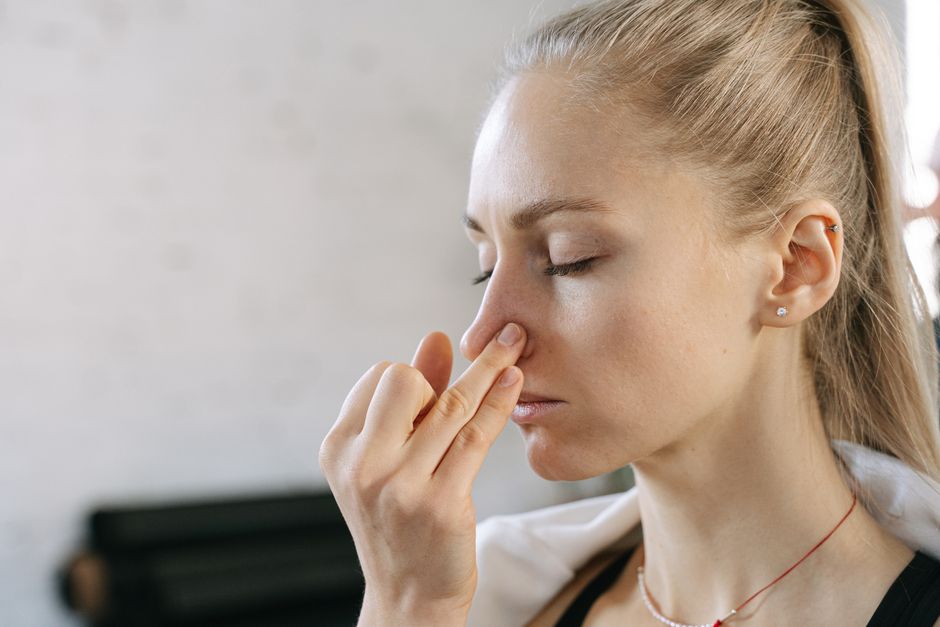
A burning sensation in your nose is your nasal lining telling you something is irritating it. The most common causes are dry air, allergies, irritants like smoke or strong chemicals, and infections such as the common cold. Most cases are uncomfortable but not dangerous, and the right steps at home often calm the burning within a few days.
Why Is My Nose Burning Causes And Relief? What Is Actually Happening
The inside of your nose is lined with a thin layer of tissue called the nasal mucosa. It is packed with tiny blood vessels and nerve endings. When that lining dries out, swells, or comes into contact with something irritating, those nerve endings fire and you feel a burn, sting, or rawness.
This is why so many different problems produce the same feeling. A dry bedroom in winter and a viral infection can both leave your nose burning, even though the underlying cause is completely different. The sensation is a shared response, not a specific disease.
Mucus normally protects the nasal lining by keeping it moist and trapping particles. When mucus production drops or the lining becomes inflamed, that protection weakens. The tissue is then more exposed to air, allergens, and germs, which keeps the burning going.
One detail worth knowing: the front of the nose, called the nasal vestibule, is especially sensitive. This is the area just inside the nostrils. Irritation here often feels sharper and more noticeable than irritation deeper in the nasal passages.
What Are the Most Common Causes of a Burning Nose?
Dry air is the most frequent culprit. Indoor heating, air conditioning, and low humidity pull moisture out of the nasal lining. This is why many people notice burning more in winter or in dry climates.
Irritants are next. Cigarette smoke, secondhand smoke, vehicle exhaust, cleaning sprays, bleach, perfume, and strong scents can all trigger burning. The nose is designed to filter air, so it takes the first hit from anything airborne.
Allergies cause burning too, usually along with sneezing, itching, and a runny or stuffy nose. When your body reacts to pollen, dust mites, or pet dander, it releases chemicals like histamine. These chemicals inflame the nasal lining and can produce a burning feeling.
Infections are another common source. A cold, flu, or sinus infection can make the nose burn, especially in the early stages or when the nose is very runny or very dry. Some people also get burning with COVID-19, though it is not one of the most specific symptoms.
Other causes include:
- Overuse of decongestant nasal sprays, which can cause rebound congestion and irritation
- Certain prescription nasal sprays, which some people find irritating
- Nasal dryness from medications like antihistamines or decongestants
- Hormonal changes, including during pregnancy or menopause
- Chemical exposure at work, such as solvents or fumes
- Rarely, certain skin or autoimmune conditions affecting the nasal lining
If burning comes with a visible sore, crusting, or a blister, that points toward a local skin issue rather than a general irritation. A doctor can look at it directly.
When Is a Burning Nose a Sign of Something More Serious?
Most burning noses are minor and settle on their own. A few situations deserve a medical visit.
See a doctor if the burning is severe, keeps getting worse, or lasts more than a couple of weeks without improving. Also get checked if you have a high fever, facial swelling, a persistent bloody nose, or trouble breathing.
Burning that comes with a rash, blisters, or sores inside the nose could point to an infection or a skin condition that needs treatment. Burning around the nose and mouth with a fever or feeling unwell can, in rare cases, relate to a more serious problem, so it should be evaluated.
If you have a weakened immune system, diabetes, or you are undergoing cancer treatment, do not wait to see whether a burning nose resolves on its own. Your risk of infection is higher, and early care matters more.
One point that often gets missed: burning alone, without other symptoms, is rarely a sign of anything serious. It is the combination of symptoms and how long they last that guides whether you need medical care.





How Do You Relieve a Burning Nose at Home?
Relief starts with removing the trigger and restoring moisture. If dry air is the problem, a humidifier in your bedroom can help. Keep the humidity in a comfortable range and clean the device regularly so it does not grow mold.
Saline nasal sprays or rinses are a standard first step. They add moisture and flush out irritants and allergens. Plain saline is generally safe to use as often as needed, unlike medicated sprays.
If allergies are driving the burning, an antihistamine or a steroid nasal spray may help. Steroid nasal sprays are commonly recommended for allergic rhinitis, but they take time to work and should be used as directed. Talk to a pharmacist or doctor before starting one.
Other steps that help:
- Drink enough water to keep your mucus thin and your lining moist
- Avoid smoke, strong scents, and harsh cleaning chemicals
- Use a gentle saline gel or ointment inside the nostrils if the skin is dry and cracked
- Take breaks from decongestant sprays, which can make things worse with overuse
- Wear a mask if you work around dust or fumes
Be careful with petroleum jelly inside the nose. Small amounts at the nostril edge are generally fine, but it should not be packed deep into the nasal passages.
If home care is not helping after a week or two, or if the burning keeps returning, that is a signal to get it looked at rather than keep guessing.
Can Medications or Medical Conditions Cause a Burning Nose?
Yes. Several medications list nasal irritation as a possible side effect. Decongestant nasal sprays are a well-known example. Used for more than a few days in a row, they can cause rebound congestion and a raw, burning feeling.
Some prescription nasal sprays, including certain allergy and steroid formulas, irritate the nasal lining in some people. If a spray seems to be causing burning, tell your doctor rather than stopping a prescribed treatment on your own.
Certain medical conditions can also cause nasal burning. These include:
- Rhinitis medicamentosa, a reaction to overused decongestant sprays
- Atrophic rhinitis, a condition where the nasal lining thins and dries
- Sjögren’s syndrome and other conditions that reduce moisture throughout the body
- Certain autoimmune conditions that affect mucous membranes
These are less common than simple dryness or allergies, but they matter when burning is persistent and does not respond to basic care. A doctor can tell the difference with an exam and, if needed, tests.
How Can You Prevent a Burning Nose?
Prevention comes down to keeping the nasal lining moist and away from irritants. If you know dry air triggers your symptoms, run a humidifier and keep your home at a comfortable humidity level.
Stay away from cigarette smoke, both your own and secondhand. Smoke is one of the most consistent irritants for the nasal lining, and avoiding it helps whether or not you have other triggers.
If allergies are part of the picture, reducing exposure helps. Wash bedding often, keep windows closed during high-pollen days, and consider an air filter. These steps lower the amount of allergen your nose has to deal with.
Use medicated nasal sprays only as directed and for the length of time on the label. This single habit prevents a lot of the burning that comes from overuse.
Finally, pay attention to what makes your nose burn. A simple pattern — worse in dry rooms, better after a saline rinse — tells you a lot about the cause and what to do next.
Frequently Asked Questions
Why does my nose burn when I breathe in?
Breathing in dry or cold air can strip moisture from the nasal lining and trigger a burning feeling. If it happens mainly in dry rooms or cold weather, dryness is the likely cause.
Can a burning nose be a sign of COVID-19?
Some people with COVID-19 report nasal burning, but it is not a specific or reliable sign of the virus. Testing is the only way to know for sure.
How long should a burning nose last?
Most cases from dryness or mild irritation improve within a few days once the trigger is removed. Burning that lasts more than two weeks or keeps getting worse should be checked by a doctor.
Is a burning nose ever a medical emergency?
Rarely. Seek urgent care if burning comes with trouble breathing, facial swelling, a high fever, or severe pain, since those point to a more serious problem.
