
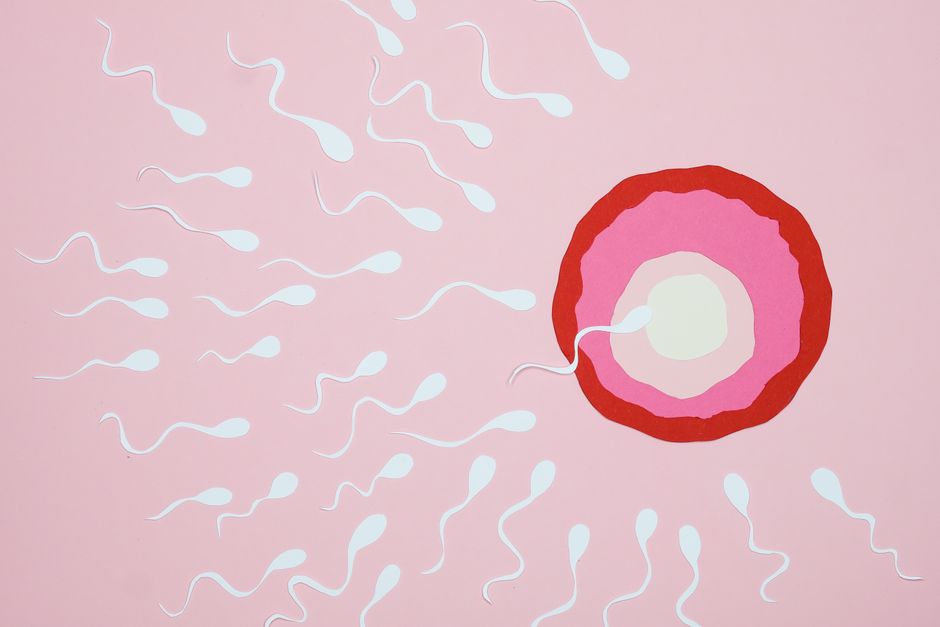
If you are trying to conceive and wondering what helps increase sperm count, the evidence points to specific lifestyle changes rather than miracle supplements. The most reliable ways to improve sperm count include maintaining a healthy weight, quitting smoking, limiting alcohol, staying physically active, and addressing underlying medical issues like varicoceles or hormonal imbalances. While no single fix guarantees results, research consistently shows that sperm health reflects your overall physical condition, and improvements typically take about three months to appear because that is how long sperm development takes.
What Actually Determines Sperm Count?
Sperm count is part of a standard semen analysis. A normal count is considered 15 million sperm per milliliter of semen or higher, according to World Health Organization reference values. Below that threshold is classified as low sperm count, or oligospermia.
The process of sperm production, called spermatogenesis, takes roughly 64 to 72 days. Your body is constantly producing sperm, but the quality of that production is influenced by your health during those two to three months before ejaculation. This is why lifestyle changes made today will not show up in a semen analysis for at least one full cycle of sperm development.
Sperm count is only one measure of fertility. Sperm motility (how well sperm move) and morphology (sperm shape) also matter. Some men with low counts still conceive naturally, and some men with normal counts struggle with infertility. But count is the metric most commonly discussed because it is the easiest to measure and often the first to respond to lifestyle changes.
What Helps Increase Sperm Count Evidence Based Tips
The strongest evidence for improving sperm count centers on modifiable lifestyle factors. These are not theoretical suggestions. They are supported by clinical studies and systematic reviews.
Weight management. Obesity is consistently linked to lower sperm counts and reduced testosterone levels. Adipose tissue converts testosterone to estrogen through the enzyme aromatase, which can suppress the hormonal signals that drive sperm production. Even modest weight loss in overweight men has been associated with improved semen parameters in observational studies.
Smoking cessation. Tobacco smoke contains thousands of chemicals that generate oxidative stress in the reproductive tract. Men who smoke have been shown to have lower sperm counts, reduced motility, and more DNA fragmentation in sperm. The evidence is strong enough that smoking cessation is considered a first-line recommendation for male infertility.
Alcohol moderation. Heavy drinking disrupts testosterone production and sperm maturation. The data on moderate drinking is mixed, but heavy alcohol use is clearly harmful. Limiting alcohol to no more than a few drinks per week is a reasonable target based on the available evidence.
Physical activity. Regular moderate exercise is associated with better sperm parameters. However, the relationship is not linear. Extreme endurance training and heavy overtraining can suppress sperm production, possibly due to elevated scrotal temperature and cortisol levels. Moderate aerobic exercise and resistance training appear most beneficial.
Sleep. Sperm production is regulated by hormones that follow a circadian rhythm. Men who sleep fewer than six hours or more than nine hours per night have shown lower sperm counts in some studies. Seven to eight hours per night appears to be the optimal range for most men.
Which Supplements Have Real Evidence?
The supplement market for male fertility is enormous, but the evidence base is narrower than the marketing suggests. Some supplements have genuine support from clinical trials. Others are based on biological plausibility alone.
Coenzyme Q10 (CoQ10). This antioxidant is involved in cellular energy production. Several randomized trials have found that supplementing with CoQ10 improves sperm motility and concentration in men with low baseline parameters. The effect is modest but real.
Zinc. Zinc is essential for sperm formation and testosterone synthesis. Zinc deficiency is linked to low sperm count, and supplementation in deficient men can improve semen quality. Men who are not deficient may not see additional benefit.
Folate and zinc combined. A well-known study published in the journal Fertility and Sterility examined a combined folic acid and zinc supplement. The study found a 74 percent increase in total normal sperm count in the supplement group compared to placebo. However, this study has been criticized for its methodology, and subsequent research has not consistently replicated these exact results.
L-carnitine. This compound is involved in sperm energy metabolism. Some trials show improvements in motility and count, particularly in men with low baseline values. The evidence is moderately supportive but not definitive.
Vitamin D. Vitamin D receptors are present in sperm and male reproductive tissues. Men with vitamin D deficiency tend to have lower sperm counts, and some studies show improvement with supplementation in deficient men. The evidence is not strong enough to recommend universal supplementation for men with normal vitamin D levels.
Selenium. Selenium is a component of selenoproteins that protect sperm from oxidative damage. One trial found that selenium supplementation improved sperm motility but not count. Excessive selenium can be toxic, so supplementation should not exceed established safe upper limits.
No supplement has been proven to cure male infertility. Supplements work best when they address an actual deficiency or oxidative stress burden. A multivitamin that covers basic micronutrients is reasonable. High-dose single-nutrient megadosing is not supported by evidence.





How Do Heat and Environment Affect Sperm Count?
Testicles are located outside the body for a reason. Sperm production functions optimally at about 2 to 4 degrees Celsius below core body temperature. Anything that raises scrotal temperature can impair sperm production.
Frequent hot tub use, saunas, and prolonged sitting have all been linked to reduced sperm parameters. The effect is temporary. Sperm production typically recovers once the heat source is removed. Men who work in hot environments or sit for long periods should take breaks and avoid tight underwear if they are concerned about fertility.
Laptop use on the lap and prolonged bicycling have also been studied. The evidence for laptops is mixed, but keeping the device off the lap when possible is a simple precaution. Bicycling may affect sperm parameters due to both heat and pressure on the perineum, though the clinical significance is debated.
Environmental toxins matter too. Pesticide exposure, heavy metals like lead and mercury, and endocrine-disrupting chemicals such as BPA and phthalates have been associated with lower sperm counts in occupational and population studies. These exposures are hard to avoid completely, but choosing fresh foods and minimizing plastic food storage can reduce the burden.
When Should You See a Doctor?
If you have been trying to conceive for twelve months without success, you should see a doctor. That timeline shortens to six months if the female partner is over 35. A semen analysis is the first step in evaluating male fertility.
Certain medical conditions require medical treatment rather than lifestyle changes alone. A varicocele, which is an enlargement of veins in the scrotum, is present in about 40 percent of men with infertility. Surgical repair of varicoceles is one of the few interventions that has shown consistent benefit in improving sperm parameters.
Hormonal imbalances can also cause low sperm count. Low testosterone, thyroid disorders, and elevated prolactin can all suppress sperm production. These are diagnosed with blood tests and are often treatable with medication.
Infections in the reproductive tract, such as epididymitis or prostatitis, can temporarily impair sperm production. Treating the infection often restores sperm parameters.
Some men have blockages that prevent sperm from being ejaculated. Prior surgeries, particularly hernia repairs, can cause this. A urologist can evaluate for obstruction and offer surgical correction in some cases.
What Does Not Work Despite Popular Claims?
Several claims about sperm count improvement circulate widely online. Some have no evidence behind them. Others are actively harmful.
Testosterone supplementation. Taking exogenous testosterone actually suppresses sperm production by shutting down the pituitary signals that drive spermatogenesis. Men who take testosterone for bodybuilding often become temporarily infertile. This is the opposite of what most men expect.
Celery and other “natural testosterone” foods. No food has been shown to directly increase testosterone or sperm count in healthy men. A balanced diet supports overall health, but specific foods do not have targeted fertility effects.
Boxer shorts versus briefs. The underwear debate has some basis in temperature physiology, but the clinical data is weak. A few small studies suggest looser underwear is associated with slightly better sperm parameters, but the difference is small and not consistently reproduced. Wearing briefs does not cause infertility.
Detox teas and cleanses. These products have no evidence supporting their use for fertility. Some contain laxatives or herbs that could actually be harmful during conception attempts.
How Long Until Changes Show Results?
Sperm production takes about 72 days. A full cycle of sperm development, including maturation in the epididymis, takes roughly three months. This means any intervention you start today will not be reflected in a semen analysis for at least 10 to 12 weeks.
Men who make significant lifestyle changes often see improvements at the three-month mark. The improvement may continue with continued adherence. Some studies show continued gains over six months or longer, particularly with weight loss and smoking cessation.
If you make changes and repeat a semen analysis after three months without improvement, that does not mean the changes are useless. It may mean the underlying cause is not lifestyle-related. It is worth a medical evaluation to rule out structural or hormonal issues.
Frequently Asked Questions
How fast can sperm count increase?
Sperm production takes about 72 days, so measurable improvements typically appear after three months of consistent lifestyle changes. Some men see changes earlier, but the three-month mark is the standard timeline for re-testing.
Does ejaculating every day lower sperm count?
Frequent ejaculation temporarily lowers the number of sperm per ejaculate, but it does not permanently damage sperm production. For couples trying to conceive, intercourse every two to three days around ovulation is generally recommended to balance sperm count and timing.
Can low sperm count be reversed naturally?
Yes, in many cases. Low sperm count caused by obesity, smoking, heavy alcohol use, heat exposure, or nutritional deficiencies can often improve with lifestyle correction. Low count caused by blockages, genetic conditions, or hormonal disorders may require medical treatment.
Does coffee affect sperm count?
The evidence on caffeine is mixed. Moderate coffee consumption does not appear to harm sperm parameters, but very high intake may have negative effects. Limiting caffeine to about two cups per day is a reasonable approach based on current data.
