
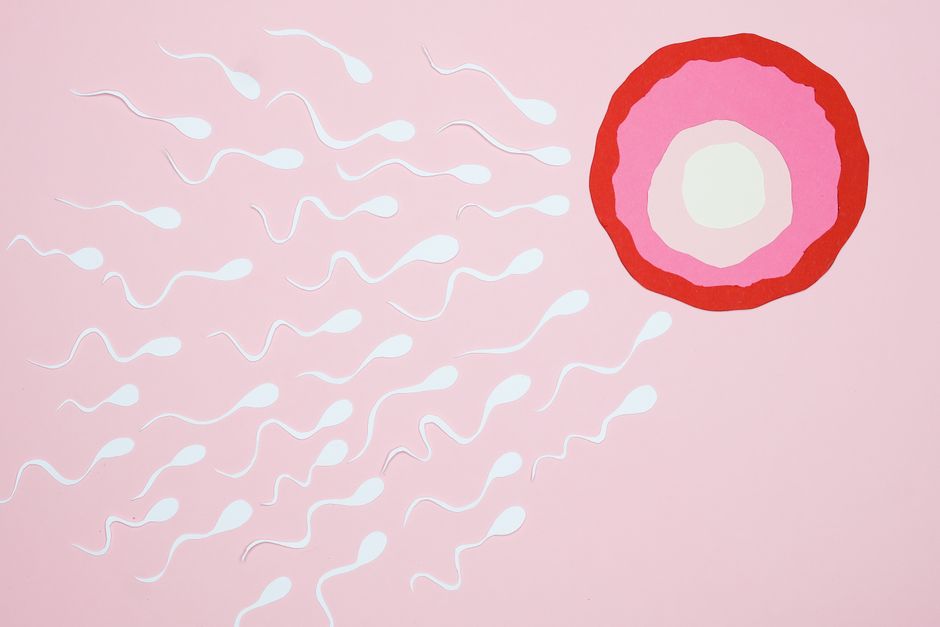
Low sperm motility means sperm move less effectively than expected, which can make it harder for sperm to reach and fertilize an egg. It is one of the most common findings on a semen analysis, and it is often caused by a mix of factors — including varicocele, infections, hormone problems, heat exposure, smoking, and genetics. Whether it can improve depends on the cause: some cases respond well to treatment or lifestyle change, while others reflect permanent differences in sperm production.
Motility is different from sperm count and shape. A man can have a normal count and still have poor movement. That distinction matters because the causes and the chances of improvement are not the same for each problem.
What Causes Low Sperm Motility And Can It Improve?
Causes fall into two broad groups: things that interfere with sperm as they mature, and things that affect the reproductive tract after sperm are made. Some are treatable. Some are not.
Sperm are produced in the testicles and then travel through a coiled tube called the epididymis, where they gain the ability to swim. Anything that disrupts that maturation process or the environment around it can reduce motility.
Common contributors include:
- Varicocele — enlarged veins around the testicle, present in a meaningful share of men evaluated for infertility. It raises scrotal temperature and is one of the few causes that can be surgically corrected.
- Infections — including some sexually transmitted infections and prostate or epididymal infections, which can inflame the tract and impair sperm function.
- Hormone imbalances — low testosterone, thyroid problems, or pituitary issues can disrupt sperm production and maturation.
- Heat exposure — frequent hot baths, saunas, tight clothing, or prolonged sitting can raise scrotal temperature above the range sperm production depends on.
- Smoking, heavy alcohol use, and recreational drugs — all associated with poorer semen parameters in multiple studies.
- Medications — some antidepressants, certain blood pressure drugs, and anabolic steroids can affect motility.
- Genetic factors — including structural problems with the sperm tail, which affect movement directly.
- Oxidative stress — an imbalance between damaging molecules and the body’s defenses, which can harm sperm membranes and the energy-producing parts of the cell.
Whether motility improves depends heavily on which of these is at play. A varicocele that is repaired, an infection that is treated, or a medication that is changed may lead to measurable improvement. Genetic causes of poor tail structure generally do not reverse. Age also plays a role, though the effect is more gradual in men than the sharp decline in fertility women experience.
One clarification worth stating plainly: a single abnormal semen analysis does not confirm a permanent problem. Sperm production cycles over roughly two to three months, and results can vary between samples. Clinicians typically want more than one test before drawing conclusions.
How Is Sperm Motility Measured?
Motility is assessed through a semen analysis, the standard first test for male fertility. A laboratory counts sperm and grades how many are moving and how well.
Motility is usually reported as the percentage of sperm that are moving. The World Health Organization publishes reference values used by most labs, though the exact lower limit has been revised over time. Rather than cite a single cutoff that may not match your lab’s report, the practical point is this: your result is compared against a reference range, and being below it does not by itself mean you cannot father a child.
Movement is often described in grades:
- Progressive motility — sperm swimming forward, in a roughly straight line. This is the type that matters most for reaching an egg.
- Non-progressive motility — sperm moving but not forward, such as swimming in circles.
- Immotile — sperm not moving at all. Some of these may actually be alive but not moving, which a special test can distinguish.
That last point is easy to miss. A report showing many immotile sperm does not always mean those sperm are dead. A viability test can tell the difference, and it matters because live-but-immotile sperm can sometimes still be used in assisted reproduction.
Can Lifestyle Changes Improve Sperm Motility?
Lifestyle factors are among the most modifiable influences on sperm motility, and the evidence for several of them is reasonably consistent.
Smoking is linked to lower motility in multiple studies. Stopping is associated with improvement, though the timeline varies and not everyone returns to baseline. Heavy alcohol use and recreational drugs such as marijuana have also been associated with poorer semen quality, though the research on marijuana specifically is mixed.
Heat is a well-established factor. The testicles sit outside the body because sperm production works best a few degrees below core body temperature. Regular saunas, hot tubs, or long periods of sitting can work against that. Reducing exposure is a reasonable step, though how much it helps varies by person.
Weight and metabolic health appear to matter. Obesity is associated with lower sperm quality in many studies, and weight loss has been linked to improvement in some, though not all, research. The relationship is real but not perfectly consistent.
Exercise is generally favorable, but extreme endurance training and anabolic steroid use can suppress sperm production. More is not always better here.
Diet shows associations but weaker evidence for direct cause and effect. Diets rich in fruits, vegetables, whole grains, and fish tend to correlate with better semen parameters, while diets high in processed meat and saturated fat correlate with worse ones. Whether changing diet alone improves motility in a given man is less certain. No single food or supplement has been shown to reliably fix low motility.
What About Supplements And Antioxidants?
This is where marketing often outruns the evidence. Many products claim to boost sperm motility. The honest position is that the evidence is mixed and generally modest.
The reasoning behind antioxidants is that oxidative stress damages sperm, and antioxidants might counter it. That mechanism is plausible. But biological plausibility is not the same as proven benefit, and trials of antioxidant supplements for male fertility have produced inconsistent results.
Some studies suggest certain antioxidants — including formulations containing things like zinc, selenium, vitamin E, or coenzyme Q10 — may improve motility in some men. Other studies show little or no effect. A recurring problem is that many trials are small, use different doses, and measure different outcomes, which makes them hard to compare.
No supplement is established as a reliable treatment for low motility. If you are considering one, it is worth discussing with a clinician, partly because high doses of some vitamins and minerals can cause harm. The evidence does not support treating supplements as a substitute for addressing an underlying cause.
When Should You See A Doctor?
Male fertility concerns are often evaluated later than they should be. A reasonable approach is to seek evaluation if you and your partner have been trying to conceive for a year without success, or sooner if you have known risk factors.
See a doctor sooner if you have:
- A history of testicular injury, surgery, or undescended testicles
- Signs of a varicocele, such as a dull ache or a feeling of heaviness in the scrotum
- Symptoms of infection, including pain, swelling, or discharge
- Hormone-related symptoms such as low sex drive, erectile problems, or unusual breast tissue growth
- Prior chemotherapy, radiation, or use of anabolic steroids
Evaluation usually starts with a physical exam and a semen analysis, and may include hormone blood tests. From there, a clinician can look for a treatable cause.
Treatment options depend on what is found. A varicocele may be repaired surgically. An infection may be treated with antibiotics. A medication that is contributing may be changed, though never stop a prescribed medication without talking to your doctor first. Hormone problems may be addressed if a specific deficiency is identified.
When no reversible cause is found, assisted reproduction can still help. Techniques such as intrauterine insemination or in vitro fertilization, sometimes with a procedure that selects a single sperm for injection into an egg, can work even when motility is low. These are established options, though success rates depend on many factors, including the partner’s fertility and the specific technique used.
What Is The Outlook?
The outlook for low sperm motility is genuinely variable, and anyone who tells you otherwise is oversimplifying. Some men improve with treatment of a specific cause or with lifestyle change. Some see no change. Some have a cause that cannot be reversed.
What is fair to say is that low motility alone does not mean a man cannot father a child. Many men with poor motility conceive naturally or with assistance. Because sperm production takes roughly two to three months to complete a cycle, any change — whether from treatment or lifestyle — typically takes at least that long to show up on a repeat test.
If you are dealing with this, the most useful step is a proper evaluation rather than guessing. The cause often determines everything about whether improvement is realistic.
Frequently Asked Questions
Can low sperm motility be improved?
Yes, in some cases. Improvement depends on the cause — treatable issues like varicocele, infection, or medication effects may respond, while genetic causes generally do not.
What is the most common cause of low sperm motility?
There is no single most common cause, but varicocele, infections, heat exposure, and lifestyle factors like smoking are frequent contributors. Often more than one factor is involved.
How long does it take for sperm motility to improve?
Sperm production takes roughly two to three months to complete a cycle, so any change typically takes at least that long to appear on a repeat semen analysis.
Can low sperm motility cause infertility?
It can make conception harder because sperm have more trouble reaching the egg, but it does not make natural conception impossible. Many men with low motility conceive naturally or with assisted reproduction.
