
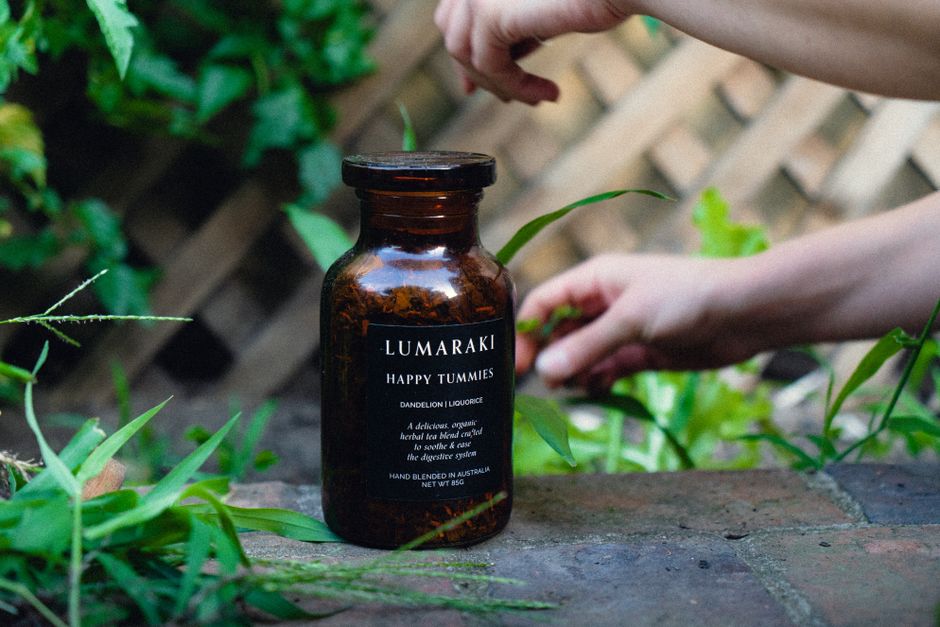
Your digestive system moves food from your mouth to your colon without you thinking about it. When it works well, you barely notice. When it doesn’t, you notice fast. The most reliable ways to help digestion are unglamorous: eat fiber from whole foods, drink enough water, move your body, chew your food, and keep portions reasonable. These habits support the muscles, nerves, and bacteria that run the process. Most supplements and “digestive detox” products have far less evidence behind them than their labels suggest.
How Does Digestion Actually Work?
Digestion is a chain of mechanical and chemical steps. Each part depends on the one before it. When one step slows down or gets irritated, you feel it somewhere along the line.
It starts in your mouth. Chewing breaks food into smaller pieces, and saliva begins breaking down starch. From there, the food travels down the esophagus to the stomach, where acid and muscular churning turn it into a semi-liquid paste.
The small intestine does most of the real work. It’s roughly 20 feet long, and its walls absorb nutrients through millions of tiny finger-like projections called villi. The pancreas and gallbladder send enzymes and bile into the small intestine to break down fats, proteins, and carbohydrates.
What’s left moves into the colon, where water is absorbed and gut bacteria ferment some of the remaining fiber. The whole trip typically takes somewhere between one and three days, though that varies widely from person to person.
Two systems control the pace: muscles that push food along (called peristalsis) and nerves that coordinate the timing. That’s why stress, sleep loss, and some medications can change your digestion even when nothing is structurally wrong.
What Foods Help Digestion?
Fiber is the single most studied dietary factor for digestive health. It adds bulk to stool, feeds beneficial gut bacteria, and helps regulate how quickly food moves through your system.
There are two main types. Soluble fiber dissolves in water and forms a gel. It’s found in oats, barley, beans, lentils, apples, and carrots. Insoluble fiber doesn’t dissolve and adds bulk to stool. It’s found in whole wheat, nuts, and many vegetables.
Most adults in the US fall short of the recommended fiber intake. General guidance suggests roughly 25 grams per day for women and 38 grams for men, though needs vary with age and health status.
Other foods that support digestion include:
- Water-rich foods like cucumbers, melons, and soups, which help keep stool soft
- Fermented foods such as yogurt with live cultures, kefir, and sauerkraut, which contain beneficial bacteria
- Lean proteins that are easier on the stomach than heavily processed meats
- Ginger, which some studies suggest may speed up stomach emptying
What you eat matters, but how you eat matters too. Large, heavy meals take longer to digest than smaller ones. Fried and highly processed foods tend to slow stomach emptying, which can leave you feeling overly full or uncomfortable.
One thing worth knowing: adding a lot of fiber suddenly can cause bloating and gas. Increase it gradually over a few weeks and drink more water as you do.
Can Lifestyle Habits Improve Digestion?
Yes, and the effect is often larger than any supplement. The habits below have the most consistent support.
Move your body
Physical activity stimulates the muscles in your gut. Even a short walk after a meal can help move things along. People who are sedentary tend to have slower transit times and more constipation.
Drink enough water
Fiber without water can make constipation worse, not better. Water keeps stool soft and helps your body absorb nutrients. There’s no single number that fits everyone, but thirst and urine color are reasonable guides.
Eat on a regular schedule
Your digestive system has a rhythm. Eating at roughly the same times each day helps it prepare enzymes and acid in advance. Skipping meals and then eating a very large one can overwhelm the system.
Chew thoroughly
Digestion starts in your mouth. Chewing breaks food down and gives saliva time to work. Eating quickly means more work for your stomach.
Manage stress and sleep
The gut has its own nervous system that communicates constantly with the brain. Chronic stress and poor sleep are linked to digestive symptoms like bloating, cramping, and changes in bowel habits. This connection is well established.
-
 What Helps Food Move Through the Large Intestine During Digestion?
 -
Finessa Reviews & Complaints 2026: Helps In Gut & Digestion?
-
What Helps Digestion After Eating? What the Research Says
-
Which Side Should You Lay on for Digestion? A Closer Look
-
What is Role of Saliva in Digestion of Food? A Closer Look





Do Probiotics and Supplements Help?
The evidence for probiotics is mixed. Some strains show benefit for specific conditions like antibiotic-associated diarrhea. For general digestive wellness in healthy people, the research is far less clear. Probiotic supplements are not tightly regulated in the US, so what’s on the label may not match what’s in the capsule.
Digestive enzyme supplements are marketed for bloating and fullness. People with diagnosed conditions like pancreatic insufficiency genuinely need enzyme replacement under medical supervision. For everyone else, the evidence that these products improve digestion is limited.
Apple cider vinegar, “gut cleanses,” and detox teas have no clinical evidence supporting them for digestive health. Some can cause harm. Apple cider vinegar is acidic and can irritate the esophagus and damage tooth enamel if taken undiluted or frequently.
If you’re considering a supplement, talk to your doctor first. This matters most if you take medications, are pregnant or breastfeeding, or have a diagnosed digestive condition.
When Should You See a Doctor About Digestion?
Occasional bloating, gas, or a change in bowel habits is normal. Some symptoms are not, and they need medical attention.
See a doctor if you have:
- Blood in your stool or black, tarry stools
- Unexplained weight loss
- Persistent vomiting or difficulty swallowing
- Severe or worsening abdominal pain
- Diarrhea lasting more than a few days, or constipation that doesn’t improve with diet and lifestyle changes
- A change in bowel habits that lasts more than a few weeks
These signs don’t automatically mean something serious. They do mean a doctor should evaluate them. Conditions like irritable bowel syndrome, celiac disease, inflammatory bowel disease, and thyroid problems can all affect digestion, and each requires different treatment.
Self-treating with supplements or elimination diets before getting a diagnosis can delay proper care and make symptoms harder to sort out.
What Everyday Habits Help Digestion Most?
If you want the short list, it’s this: fiber from whole foods, enough water, regular movement, consistent meal times, and slower eating. These are the habits with the strongest evidence and the lowest risk.
Here’s a simple comparison of what’s well supported versus what isn’t:
| Approach | Evidence Level |
|---|---|
| Dietary fiber from whole foods | Strong |
| Regular physical activity | Strong |
| Adequate water intake | Strong |
| Stress management | Moderate |
| Probiotics for specific conditions | Moderate (condition-specific) |
| Digestive enzyme supplements (general use) | Limited |
| Detox teas and cleanses | No clinical evidence |
Digestion is not something you fix once. It responds to what you do most days. Small, consistent habits beat dramatic short-term changes every time.
Frequently Asked Questions
What is the fastest way to improve digestion?
Drinking more water and adding gentle movement like walking after meals are the quickest changes most people can make. Neither requires supplements or special foods.
Does apple cider vinegar help digestion?
No clinical evidence confirms that apple cider vinegar improves digestion in healthy people. It’s acidic and can irritate your esophagus and erode tooth enamel if taken frequently or undiluted.
How much fiber do I need daily for good digestion?
General guidance is about 25 grams per day for women and 38 grams for men, though needs vary. Increase fiber gradually and drink more water to avoid bloating.
When should bloating be a concern?
Bloating that’s persistent, painful, or accompanied by weight loss, blood in stool, or vomiting should be evaluated by a doctor. Occasional bloating after large or fatty meals is common and usually not a sign of disease.
