
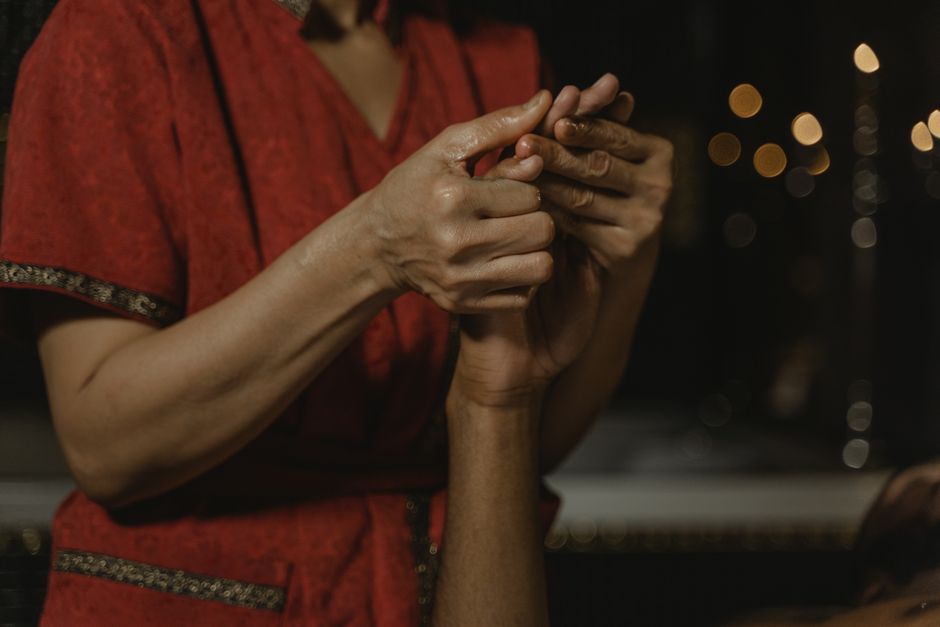
Cold hands are common, and for most people they are not a sign of disease. Blood flow to the hands depends on how forcefully the heart pumps, how open the blood vessels are, and how thick or thin the blood is. Exercise improves all three. Diet helps mainly by supporting healthy blood vessels and preventing the artery damage that narrows them over time. Neither one is a quick fix, and neither replaces medical care if poor hand circulation is caused by an underlying condition.
Hand circulation is a small part of a much larger system. The same things that protect your heart and brain protect your fingers. That is why the most useful answer is not a list of hand tricks — it is a small set of habits that improve circulation everywhere, plus a few targeted moves for the hands themselves.
What Helps Circulation In Hands Exercises Diet?
Regular aerobic exercise is the single most reliable way to improve blood flow to the hands. It trains the heart to pump more blood per beat and helps blood vessels relax and widen. Diet supports this by supplying the nutrients that keep artery walls flexible and by limiting the foods that stiffen and narrow them.
Hand-specific exercises matter too, but they work differently. They do not raise overall blood flow the way a brisk walk does. What they do is use the small muscles and vessels in the hands and forearms, which can help with stiffness, grip, and the sensation of cold fingers. Think of whole-body exercise as the engine and hand exercises as maintenance.
There is one important caveat. If hand coldness or numbness is caused by a medical condition — such as Raynaud’s phenomenon, peripheral artery disease, or nerve compression — exercise and diet can help manage it but do not treat the underlying cause. Those situations need a doctor’s evaluation.
How Does Exercise Improve Blood Flow To The Hands?
Exercise changes circulation through several well-understood mechanisms. When you move, your muscles demand more oxygen, and the body responds by increasing heart output and widening blood vessels in active tissue. Over weeks of regular training, the heart’s stroke volume rises, meaning it pushes more blood with each beat.
Exercise also improves what is called endothelial function. The endothelium is the thin lining inside every blood vessel. It releases nitric oxide, a molecule that signals vessels to relax. Physical activity supports this system, and better endothelial function means vessels can open more easily when the body needs more flow — including in the hands.
There is a detail many people miss. The hands are at the far end of the circulatory system, so they are among the first places to feel reduced flow. That makes them a useful early signal, but it also means they benefit less from short bursts of activity than from consistent, repeated movement over time.
What kind of exercise helps most:
- Aerobic activity — walking, cycling, swimming, or anything that raises your heart rate for a sustained period. This is the foundation.
- Whole-body resistance training — building muscle improves overall metabolic health and supports vessel function.
- Hand and forearm movement — squeezing a soft ball, opening and closing the fingers, or rotating the wrists keeps the local tissue active.
General physical activity guidelines for adults call for at least 150 minutes of moderate aerobic activity per week, along with muscle-strengthening activity on two or more days per week. These are broad public health recommendations, not hand-specific prescriptions, but they are the most evidence-supported starting point.
Which Foods And Nutrients Support Healthy Circulation?
No single food improves hand circulation on its own. The evidence points to overall dietary patterns rather than individual ingredients. Diets rich in vegetables, fruits, whole grains, legumes, nuts, and fish are consistently linked with healthier blood vessels and lower rates of cardiovascular disease.
Several nutrients have supporting roles in vessel health:
- Nitrates from vegetables — beets, leafy greens, and other vegetables contain dietary nitrates the body can convert into nitric oxide, which helps vessels relax.
- Omega-3 fatty acids — found in fatty fish like salmon and sardines, these fats are associated with cardiovascular benefits in large population studies.
- Fiber — supports cholesterol levels and metabolic health, both of which affect long-term artery condition.
- Potassium — helps regulate blood pressure, and blood pressure directly affects how well blood reaches the extremities.
What matters most is what you limit. Diets high in saturated fat, added sugar, and sodium are linked with high blood pressure and narrowed arteries over time. High blood pressure is one of the most common reasons circulation worsens with age, and it often has no symptoms until damage is done.





Does Hydration And Temperature Affect Hand Circulation?
Yes, and the effect is direct. Blood is mostly water, and dehydration reduces blood volume, which can make the hands feel colder and look paler. Staying adequately hydrated supports normal circulation, though there is no specific amount proven to improve hand warmth.
Temperature matters even more. In cold conditions, the body narrows blood vessels near the skin to protect core temperature. That is why fingers and toes get cold first. Keeping the hands warm with gloves, warm water, or simply covering them reduces this response.
Caffeine and nicotine both cause blood vessels to narrow. Nicotine in particular is a well-established cause of reduced blood flow, and smoking is one of the strongest risk factors for circulation problems. For anyone concerned about hand circulation, this is the single most impactful factor to address.
Can Poor Hand Circulation Be A Sign Of Something Serious?
Sometimes. Cold hands alone are usually harmless. But certain patterns warrant medical attention because they point to conditions that need diagnosis and treatment.
See a doctor if you notice:
- Fingers that turn white, blue, then red in response to cold or stress — a pattern associated with Raynaud’s phenomenon
- Persistent numbness, tingling, or weakness in the hands
- Skin color changes, sores, or slow-healing wounds on the fingers
- Coldness in one hand but not the other
- Hand symptoms along with chest pain, shortness of breath, or leg pain when walking
Raynaud’s phenomenon is a condition in which blood vessels in the fingers and toes overreact to cold or stress. It can occur on its own or alongside other conditions, which is why evaluation matters. Peripheral artery disease, which narrows arteries in the limbs, is more common in the legs but can affect the arms as well.
These conditions are not managed by exercise and diet alone. Lifestyle habits support overall vascular health, but diagnosis and treatment require a clinician.
What Else Affects Blood Flow To The Hands?
Several factors outside exercise and diet play a role. Understanding them helps set realistic expectations.
| Factor | Effect on hand circulation |
|---|---|
| Smoking or nicotine use | Narrows blood vessels; major risk factor for reduced flow |
| Cold temperatures | Triggers vessel narrowing to conserve body heat |
| Dehydration | Reduces blood volume and flow |
| High blood pressure | Damages vessel walls over time |
| Diabetes | Can damage blood vessels and nerves over years |
| Certain medications | Some can affect blood pressure or vessel tone |
| Anxiety or stress | Can trigger vessel narrowing in some people |
Age also matters, but not in a way that makes poor circulation inevitable. Vessels become stiffer with age, and the cumulative effect of risk factors adds up. The habits that protect circulation are the same at 40 and at 65 — the earlier they start, the more they help.
Frequently Asked Questions
Do hand exercises actually improve circulation?
Hand and forearm exercises keep the local muscles and vessels active, which can help with stiffness and the feeling of cold fingers. They do not replace whole-body aerobic exercise, which has the strongest effect on overall blood flow.
What foods help poor circulation in the hands?
No single food targets the hands specifically. Diets rich in vegetables, fruits, whole grains, and fatty fish are linked with healthier blood vessels overall, which supports circulation everywhere including the hands.
Can cold hands mean a serious health problem?
Cold hands are usually harmless, especially in cold conditions. But fingers that turn white, blue, then red, or persistent numbness and color changes, should be evaluated by a doctor.
How long does it take for exercise to improve circulation?
Some changes in blood vessel function can occur within weeks of regular activity, while broader cardiovascular benefits build over months. Individual results vary, and there is no fixed timeline that applies to everyone.
